What does Numbers 16:4 mean?
"And when Moses heard it, he fell upon his face:" - Numbers 16:4

Numbers 16:4 in the King James Version of the Bible reads: "And when Moses heard it, he fell upon his face." This verse is part of the story of Korah's rebellion, a significant event in the history of the Israelites during their time in the wilderness. To understand the meaning and commentary of this verse, it is important to consider the larger context of the rebellion as well as the themes, symbolism, and implications of Moses's reaction.
The story of Korah's rebellion is found in the book of Numbers, which details the journey of the Israelites from Egypt to the Promised Land. In Numbers 16, a man named Korah, along with Dathan, Abiram, and 250 leaders of the congregation, rose up against Moses and Aaron, challenging their leadership and authority. They accused Moses and Aaron of taking too much upon themselves, claiming that all the congregation was holy and questioning why Moses and Aaron had set themselves above the rest of the people.
In response to this rebellion, Moses falls upon his face. This action is significant and reflects several important themes and ideas in the biblical text. First and foremost, it demonstrates Moses's humility and his reliance on God in the face of opposition. Falling upon his face is an act of submission, recognizing that the situation is beyond his control and ultimately in the hands of God. This response stands in stark contrast to the rebellious attitude of Korah and his followers, who sought to elevate themselves and challenge the established leadership.
Moses's actions also reflect his deep connection with God and his understanding of the seriousness of the situation. Throughout the Bible, falling upon one's face is often associated with worship, reverence, and recognition of God's sovereignty. In this context, it serves as a powerful and symbolic response to the challenge to his authority. It also demonstrates Moses's willingness to intercede on behalf of the people, seeking God's mercy and forgiveness even in the face of opposition and rebellion.
The verse also serves as a reminder of the consequences of challenging God-appointed authority. In the subsequent verses, God's judgment is swift and severe. The earth opens up and swallows Korah, Dathan, and Abiram, along with their households, while fire consumes the 250 leaders who had joined in the rebellion. This serves as a sobering reminder of the importance of respecting and honoring the leadership that God has established.
In a broader sense, this verse and the story of Korah's rebellion speak to the themes of obedience, submission, and the dangers of pride and rebellion. It serves as a cautionary tale for the Israelites and for all who read the biblical text, emphasizing the importance of humility and trust in God's appointed leaders. It also reinforces the idea that ultimately, God is the one who establishes authority and holds the ultimate power and control.
In conclusion, Numbers 16:4 offers a powerful and multi-layered depiction of Moses's response to Korah's rebellion. Through his action of falling upon his face, Moses demonstrates humility, reverence, and a deep reliance on God. This verse also serves as a reminder of the consequences of challenging God-appointed authority and the importance of obedience and submission. It is a powerful and instructive passage that carries significant implications for both the historical narrative of the Israelites and for readers today.
Have questions about Numbers 16:4?
Dive deeper into this scripture with Bible Chat — an AI-powered tool for exploring God's Word through conversation. Ask questions, get context, and grow in your understanding of the Bible.
Get Our Apps


Numbers 16:4 Artwork

Numbers 16:4 - "And when Moses heard it, he fell upon his face:"

"And when Moses heard it, he fell upon his face:" - Numbers 16:4

Numbers 4:16 - "¶ And to the office of Eleazar the son of Aaron the priest pertaineth the oil for the light, and the sweet incense, and the daily meat offering, and the anointing oil, and the oversight of all the tabernacle, and of all that therein is, in the sanctuary, and in the vessels thereof."

Numbers 16:18

Numbers 11:16-26
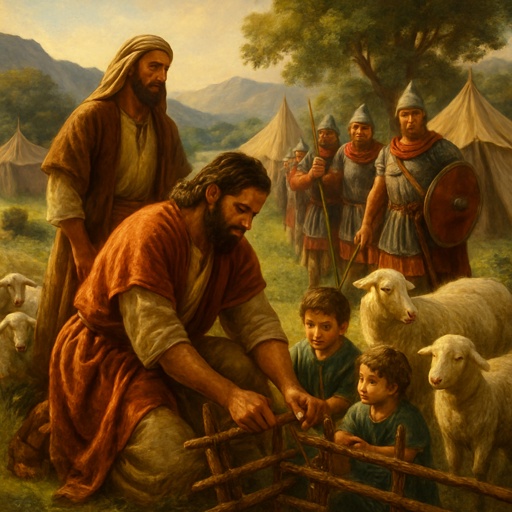
Numbers 32:16-18
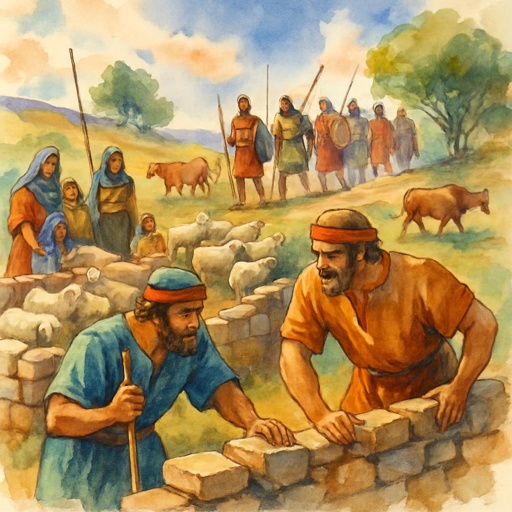
Numbers 32:16-18

Numbers 16:16 - "And Moses said unto Korah, Be thou and all thy company before the LORD, thou, and they, and Aaron, to morrow:"

Numbers 25:16 - "¶ And the LORD spake unto Moses, saying,"

Numbers 7:16 - "One kid of the goats for a sin offering:"

Numbers 34:16 - "And the LORD spake unto Moses, saying,"

Numbers 3:16 - "And Moses numbered them according to the word of the LORD, as he was commanded."

Numbers 16:36 - "¶ And the LORD spake unto Moses, saying,"

Numbers 16:23 - "¶ And the LORD spake unto Moses, saying,"

Numbers 16:44 - "¶ And the LORD spake unto Moses, saying,"

Numbers 16:43 - "And Moses and Aaron came before the tabernacle of the congregation."

Numbers 26:16 - "Of Ozni, the family of the Oznites: of Eri, the family of the Erites:"

Numbers 28:16 - "And in the fourteenth day of the first month is the passover of the LORD."

Numbers 4:7

Numbers 4:8

Numbers 16:20 - "And the LORD spake unto Moses and unto Aaron, saying,"

Numbers 16:48 - "And he stood between the dead and the living; and the plague was stayed."

Numbers 33:16 - "And they removed from the desert of Sinai, and pitched at Kibroth-hattaavah."

Be hostile to the medianites numbers 25:16-18

Numbers 10:16 - "And over the host of the tribe of the children of Zebulun was Eliab the son of Helon."

Numbers 12:16 - "And afterward the people removed from Hazeroth, and pitched in the wilderness of Paran."

Numbers 4:4 - "This shall be the service of the sons of Kohath in the tabernacle of the congregation, about the most holy things:"

Numbers 9:16 - "So it was alway: the cloud covered it by day, and the appearance of fire by night."

Numbers 16:6 - "This do; Take you censers, Korah, and all his company;"

Numbers 11. 4 to 6