What does Numbers 16:1 mean?
"Now Korah, the son of Izhar, the son of Kohath, the son of Levi, and Dathan and Abiram, the sons of Eliab, and On, the son of Peleth, sons of Reuben, took men:" - Numbers 16:1
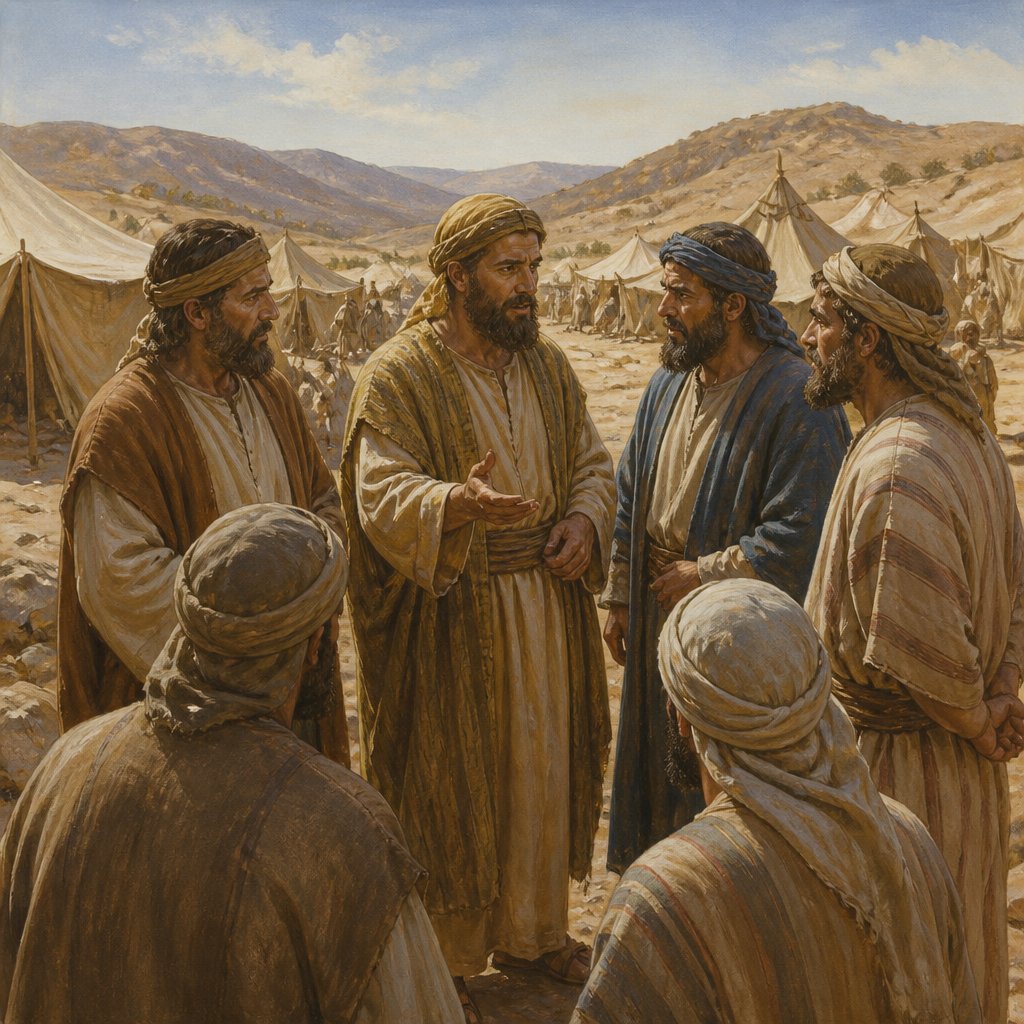
Numbers 16:1 in the King James Version of the Bible reads, "Now Korah, the son of Izhar, the son of Kohath, the son of Levi, and Dathan and Abiram, the sons of Eliab, and On, the son of Peleth, sons of Reuben, took men."
This verse is just the beginning of a significant event in the book of Numbers, where a rebellion arises against Moses and Aaron, the chosen leaders of the Israelites. To truly grasp the depth and meaning of this verse, it's important to examine the context in which it appears, as well as the themes and symbolism present in this passage.
The book of Numbers, which is the fourth book of the Pentateuch, begins with the Israelites at Mount Sinai, preparing to journey to the Promised Land. Throughout the book, the Israelites experience various trials and challenges as they continue their journey, including struggles with faith, obedience, and leadership.
In Numbers 16, we encounter the rebellion led by Korah, Dathan, Abiram, and On. These men were not content with the leadership of Moses and Aaron, and they felt that they too should have a say in the governance of the Israelites. This event serves as a cautionary tale about the dangers of pride, rebellion, and the consequences of going against God's chosen leaders.
The verse begins by listing the individuals involved in the rebellion, highlighting their lineage within the tribes of Levi and Reuben. This is significant because it shows that the rebellion included not only common Israelites but also individuals of high standing within the community. The fact that these respected leaders were involved in the rebellion emphasizes the severity of their actions and the impact it had on the entire community.
One of the primary themes present in this verse is the importance of respecting authority and God's appointed leaders. Throughout the Bible, we see examples of God appointing specific individuals to lead His people, and those who rebelled against these leaders often faced severe consequences. This theme of obedience and submission to authority is reiterated in the New Testament as well, such as in Hebrews 13:17, which states, "Obey them that have the rule over you, and submit yourselves: for they watch for your souls, as they that must give account, that they may do it with joy, and not with grief: for that is unprofitable for you."
Another theme present in this verse is the destructive nature of pride and jealousy. Korah, Dathan, Abiram, and On's rebellion stemmed from their own desire for power and recognition. They were not content with the roles God had given them, and instead sought to exalt themselves above the appointed leaders. This serves as a warning to believers about the dangers of allowing pride and envy to take root in our hearts, as they can lead to rebellion and division within the body of Christ.
Symbolism is also present in this verse, particularly in the names and lineages of the individuals involved in the rebellion. The name "Korah" means "baldness," which can symbolize a lack of wisdom or understanding. Dathan and Abiram's names mean "belonging to a well" and "my father is exalted," respectively. These meanings can be interpreted as a sense of entitlement and self-importance, which likely played a role in their decision to rebel against Moses and Aaron.
The lineage of these individuals also holds symbolic significance. The tribe of Levi was set apart for priestly duties, and the rebellion of Korah against the established priesthood served as an affront to the sacred order that God had established. Similarly, the involvement of the tribe of Reuben, the firstborn son of Jacob, carries symbolism as the eldest and therefore entitled to a position of leadership. However, their rebellion represents a failure to recognize and submit to the authority that God had established through Moses and Aaron.
In conclusion, Numbers 16:1 serves as the beginning of a pivotal event in the book of Numbers, highlighting the dangers of pride, rebellion, and the importance of respecting God's appointed leaders. By examining the context, themes, and symbolism present in this passage, we gain a deeper understanding of the impact this rebellion had on the Israelites and the timeless lessons it offers for believers today.
Have questions about Numbers 16:1?
Dive deeper into this scripture with Bible Chat — an AI-powered tool for exploring God's Word through conversation. Ask questions, get context, and grow in your understanding of the Bible.
Get Our Apps


Numbers 16:1 Artwork

Numbers 16:1 - "Now Korah, the son of Izhar, the son of Kohath, the son of Levi, and Dathan and Abiram, the sons of Eliab, and On, the son of Peleth, sons of Reuben, took men:"
"Now Korah, the son of Izhar, the son of Kohath, the son of Levi, and Dathan and Abiram, the sons of Eliab, and On, the son of Peleth, sons of Reuben, took men:" - Numbers 16:1

Numbers 16:1-3 - "Now Korah, the son of Izhar, the son of Kohath, the son of Levi, and Dathan and Abiram, the sons of Eliab, and On, the son of Peleth, sons of Reuben, took men: And they rose up before Moses, with certain of the children of Israel, two hundred and fifty princes of the assembly, famous in the congregation, men of renown: And they gathered themselves together against Moses and against Aaron, and said unto them, Ye take too much upon you, seeing all the congregation are holy, every one of them, and the Lord is among them: wherefore then lift ye up yourselves above the congregation of the Lord?"
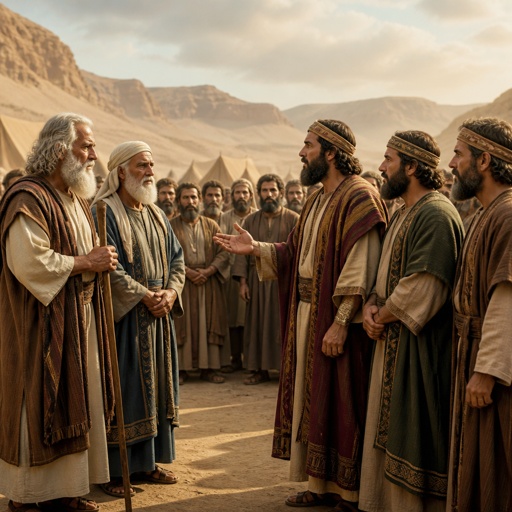
"Now Korah, the son of Izhar, the son of Kohath, the son of Levi, and Dathan and Abiram, the sons of Eliab, and On, the son of Peleth, sons of Reuben, took men: And they rose up before Moses, with certain of the children of Israel, two hundred and fifty princes of the assembly, famous in the congregation, men of renown: And they gathered themselves together against Moses and against Aaron, and said unto them, Ye take too much upon you, seeing all the congregation are holy, every one of them, and the Lord is among them: wherefore then lift ye up yourselves above the congregation of the Lord?" - Numbers 16:1-3
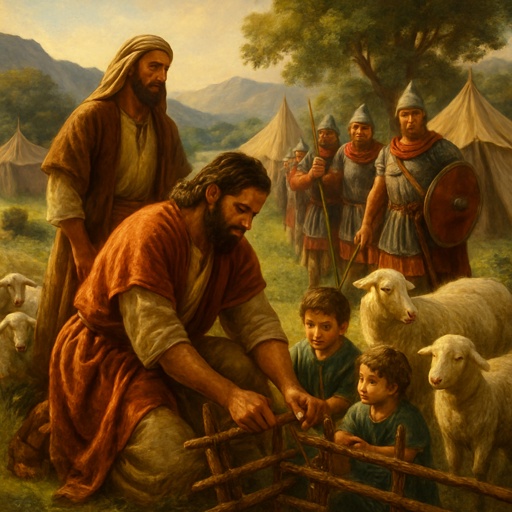
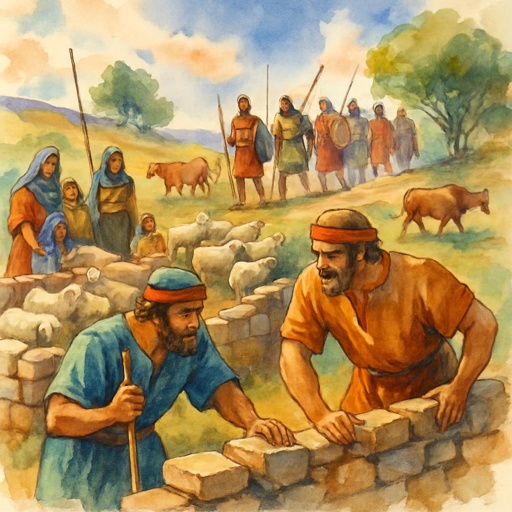
Numbers 32:16-18
Numbers 32:16-18

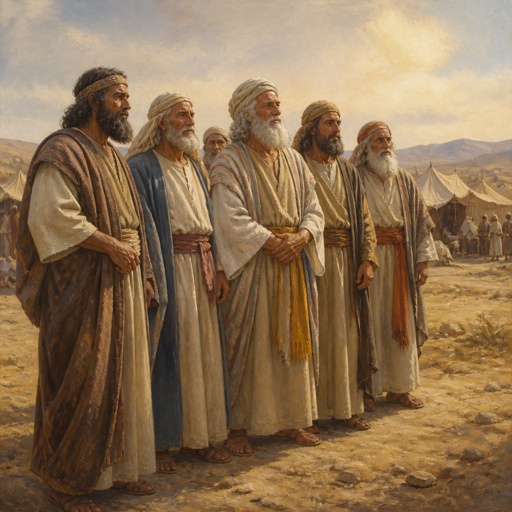
Numbers 1:16 - "These were the renowned of the congregation, princes of the tribes of their fathers, heads of thousands in Israel."

create a mosaic that depicts numbers 8:1 to 12:16 do not show words

Numbers 16:18
"These were the renowned of the congregation, princes of the tribes of their fathers, heads of thousands in Israel." - Numbers 1:16

Numbers 11:16-26

Numbers 16:16 - "And Moses said unto Korah, Be thou and all thy company before the LORD, thou, and they, and Aaron, to morrow:"

Numbers 25:16 - "¶ And the LORD spake unto Moses, saying,"

Numbers 7:16 - "One kid of the goats for a sin offering:"

Numbers 34:16 - "And the LORD spake unto Moses, saying,"

Numbers 3:16 - "And Moses numbered them according to the word of the LORD, as he was commanded."

Numbers 16:36 - "¶ And the LORD spake unto Moses, saying,"

Numbers 16:23 - "¶ And the LORD spake unto Moses, saying,"

Numbers 16:44 - "¶ And the LORD spake unto Moses, saying,"

Numbers 16:43 - "And Moses and Aaron came before the tabernacle of the congregation."

Numbers 26:16 - "Of Ozni, the family of the Oznites: of Eri, the family of the Erites:"

Numbers 28:16 - "And in the fourteenth day of the first month is the passover of the LORD."

Numbers 16:20 - "And the LORD spake unto Moses and unto Aaron, saying,"

Numbers 16:48 - "And he stood between the dead and the living; and the plague was stayed."
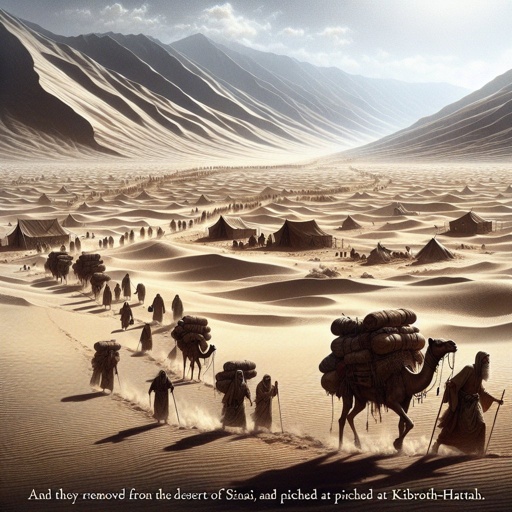
Numbers 33:16 - "And they removed from the desert of Sinai, and pitched at Kibroth-hattaavah."

Be hostile to the medianites numbers 25:16-18

Numbers 10:16 - "And over the host of the tribe of the children of Zebulun was Eliab the son of Helon."

Numbers 12:16 - "And afterward the people removed from Hazeroth, and pitched in the wilderness of Paran."

Numbers 9:16 - "So it was alway: the cloud covered it by day, and the appearance of fire by night."

Numbers 16:4 - "And when Moses heard it, he fell upon his face:"