What does Numbers 15:1-12 mean?
"The Lord said to Moses, "Speak unto the children of Israel, and say unto them, When ye be come into the land of your habitations, which I give unto you, and will make an offering by fire unto the Lord, a burnt offering, or a sacrifice in performing a vow, or in a freewill offering, or in your solemn feasts, to make a sweet savour unto the Lord, of the herd, or of the flock: Then shall he that offereth his offering unto the Lord bring a meat offering of a tenth deal of flour mingled with the fourth part of an hin of oil. And the fourth part of an hin of wine for a drink offering shalt thou prepare with the burnt offering or sacrifice, for one lamb. Or for a ram, thou shalt prepare for a meat offering two tenth deals of flour mingled with the third part of an hin of oil. And for a drink offering thou shalt offer the third part of an hin of wine, for a sweet savour unto the Lord. And when thou preparest a bullock for a burnt offering, or for a sacrifice in performing a vow, or peace offerings unto the Lord: Then shall he bring with a bullock a meat offering of three tenth deals of flour mingled with half an hin of oil. And thou shalt bring for a drink offering half an hin of wine, for an offering made by fire, of a sweet savour unto the Lord."" - Numbers 15:1-12
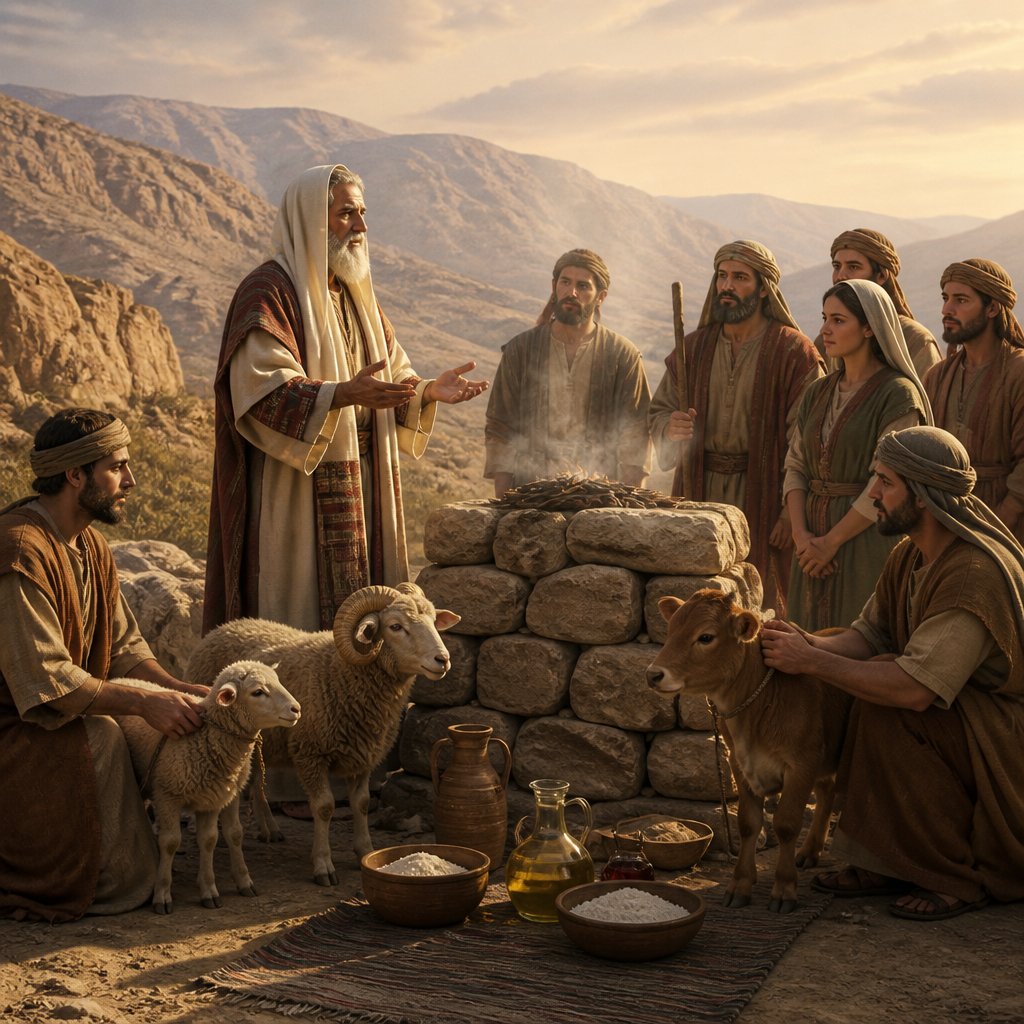
Numbers 15:1-12 in the King James Version of the Bible describes the regulations for the offerings the Israelites were to make when they entered the promised land. It outlines the specific instructions for different types of offerings, including burnt offerings, meat offerings, and drink offerings. This passage provides a detailed guide on how the Israelites were to honor and worship God through their sacrifices and offerings.
The passage begins with God speaking to Moses and giving him the instructions to relay to the Israelites. This emphasizes the direct communication between God and His chosen people, highlighting the importance of obedience and adherence to His commands. This divine communication sets the stage for the significance of the offerings that follow.
The first type of offering mentioned is the burnt offering, which was a voluntary offering that symbolized complete surrender to God. The burnt offering was to be a male animal without blemish, signifying the Israelites' desire to offer their best to God. This offering was to be accompanied by a drink offering of wine, symbolizing joy and celebration in the act of worship.
Next, the passage describes the regulations for the meal offering, which was made of fine flour mixed with oil and frankincense. The meal offering was a representation of gratitude and acknowledgment of God's provision. It also symbolized the consecration of the Israelites' labor and the fruits of their labor to God.
The passage also addresses the sin offering, a mandatory offering for unintentional sins committed by the congregation. This offering was a solemn and somber acknowledgment of human fallibility and the need for atonement. The significance of the sin offering reflects the Israelites' recognition of their need for God's forgiveness and grace.
The inclusion of these various offerings in the passage illustrates the multifaceted nature of worship and the different ways in which the Israelites were called to honor and glorify God. Through these offerings, the Israelites were able to express their reverence, gratitude, and dependence on God, as well as seek forgiveness for their shortcomings.
In a broader context, this passage also highlights the importance of obedience and reverence in approaching God. The meticulous instructions for the offerings emphasize the Israelites' commitment to honoring God with their best and adhering to His commands. This emphasis on obedience underscores the Israelites' call to live in accordance with God's will and to demonstrate their faith through their actions.
Furthermore, the passage serves as a reminder of the sacredness of worship and the need for intentional, deliberate acts of devotion. The detailed regulations for the offerings signify the Israelites' desire to approach God with reverence and sincerity, recognizing the holiness of their worship.
Symbolically, the offerings outlined in this passage also point to the ultimate sacrifice of Jesus Christ. The burnt offering, sin offering, and meal offering all find their fulfillment in the redemptive work of Christ on the cross. Jesus became the perfect and unblemished sacrifice, offering Himself as atonement for the sins of humanity. The drink offering of wine can be seen as a foreshadowing of the blood of Christ, poured out for the forgiveness of sins.
Overall, Numbers 15:1-12 provides a rich and meaningful account of the regulations for offerings, offering insight into the Israelites' worship practices and their relationship with God. The passage serves as a reminder of the importance of obedience, reverence, and sincerity in worship, and also points to the ultimate sacrifice of Jesus as the fulfillment of these offerings.
Have questions about Numbers 15:1-12?
Dive deeper into this scripture with Bible Chat — an AI-powered tool for exploring God's Word through conversation. Ask questions, get context, and grow in your understanding of the Bible.
Get Our Apps


Numbers 15:1-12 Artwork

Numbers 15:1-12 - "The Lord said to Moses, “Speak to the Israelites and say to them: ‘After you enter the land I am giving you as a home and you present to the Lord food offerings from the herd or the flock, as an aroma pleasing to the Lord—whether burnt offerings or sacrifices, for special vows or freewill offerings or festival offerings— then the person who brings his offering shall offer a grain offering of a tenth of an ephah of fine flour mixed with a quarter of a hin of oil. With each lamb for the burnt offering or the sacrifice, prepare a quarter of a hin of wine as a drink offering. “‘With a ram prepare a grain offering of two-tenths of an ephah of fine flour mixed with a third of a hin of oil, and a third of a hin of wine as a drink offering. Offer it as an aroma pleasing to the Lord. “‘When you prepare a young bull as a burnt offering or sacrifice, for a special vow or a fellowship offering to the Lord, bring with the bull a grain offering of three-tenths of an ephah of fine flour mixed with half a hin of oil. Also bring half a hin of wine as a drink offering. It will be an offering made by fire, an aroma pleasing to the Lord.'"
"The Lord said to Moses, “Speak to the Israelites and say to them: ‘After you enter the land I am giving you as a home and you present to the Lord food offerings from the herd or the flock, as an aroma pleasing to the Lord—whether burnt offerings or sacrifices, for special vows or freewill offerings or festival offerings— then the person who brings his offering shall offer a grain offering of a tenth of an ephah of fine flour mixed with a quarter of a hin of oil. With each lamb for the burnt offering or the sacrifice, prepare a quarter of a hin of wine as a drink offering. “‘With a ram prepare a grain offering of two-tenths of an ephah of fine flour mixed with a third of a hin of oil, and a third of a hin of wine as a drink offering. Offer it as an aroma pleasing to the Lord. “‘When you prepare a young bull as a burnt offering or sacrifice, for a special vow or a fellowship offering to the Lord, bring with the bull a grain offering of three-tenths of an ephah of fine flour mixed with half a hin of oil. Also bring half a hin of wine as a drink offering. It will be an offering made by fire, an aroma pleasing to the Lord.'" - Numbers 15:1-12

Numbers 12 15

Numbers 15:1 - "And the LORD spake unto Moses, saying,"
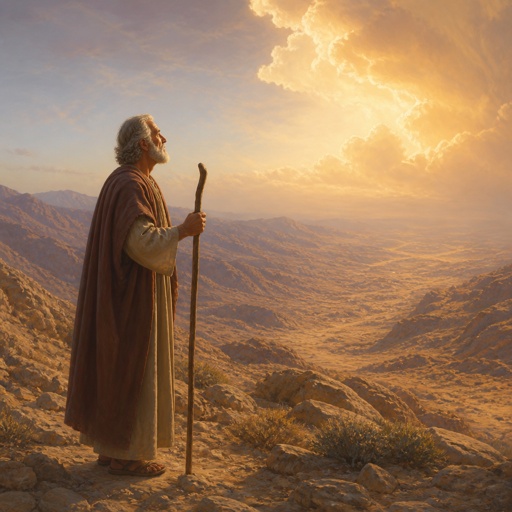
"And the LORD spake unto Moses, saying," - Numbers 15:1

Luc 15:1-2

Numbers 15:12 - "According to the number that ye shall prepare, so shall ye do to every one according to their number."

Luc 15:1-2

Luc 15:1-2

Luc 15:1-2

Numbers 1:15 - "Of Naphtali; Ahira the son of Enan."

Numbers 12:15 - "And Miriam was shut out from the camp seven days: and the people journeyed not till Miriam was brought in again."

Numbers 1:12 - "Of Dan; Ahiezer the son of Ammishaddai."

Psalm 15:1-2 - "Psalm 15:1-2: Lord, who may dwell in your sacred tent? Who may live on your holy mountain? The one whose walk is blameless, who does what is righteous, who speaks the truth from their heart."

Colossians 3:12-15
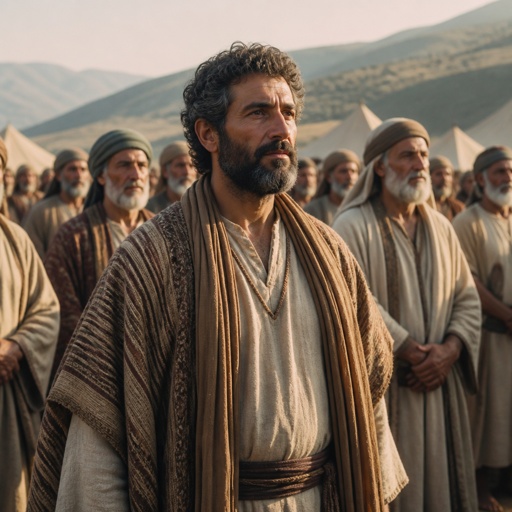
"Of Naphtali; Ahira the son of Enan." - Numbers 1:15

"Of Dan; Ahiezer the son of Ammishaddai." - Numbers 1:12

"According to the number that ye shall prepare, so shall ye do to every one according to their number." - Numbers 15:12

"And Miriam was shut out from the camp seven days: and the people journeyed not till Miriam was brought in again." - Numbers 12:15

create a mosaic that depicts numbers 8:1 to 12:16 do not show words

Numbers 12:1 - "And Miriam and Aaron spake against Moses because of the Ethiopian woman whom he had married: for he had married an Ethiopian woman."

1 Chronicles 12:23 - "¶ And these are the numbers of the bands that were ready armed to the war, and came to David to Hebron, to turn the kingdom of Saul to him, according to the word of the LORD."
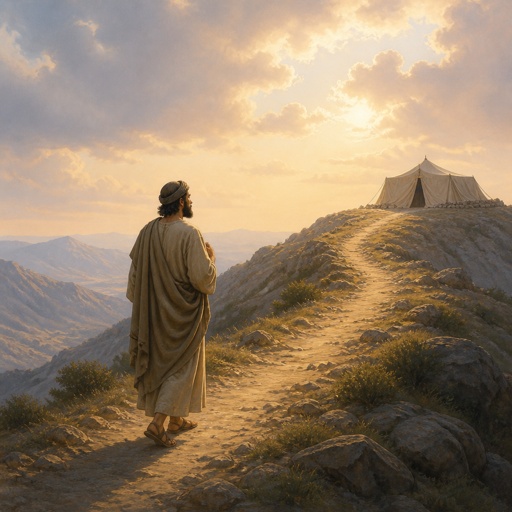
"Psalm 15:1-2: Lord, who may dwell in your sacred tent? Who may live on your holy mountain? The one whose walk is blameless, who does what is righteous, who speaks the truth from their heart." - Psalm 15:1-2

1 Corinthians 12:15 - "If the foot shall say, Because I am not the hand, I am not of the body; is it therefore not of the body?"

Numbers 11:15

1 Kings 15:12 - "And he took away the sodomites out of the land, and removed all the idols that his fathers had made."

1 Corinthians 15:12 - "Now if Christ be preached that he rose from the dead, how say some among you that there is no resurrection of the dead?"

"Johanan the eighth, Elzabad the ninth," - 1 Chronicles 12:12

"Then said the LORD unto me, Thou hast well seen: for I will hasten my word to perform it." - Jeremiah 1:12

numbers 31:14-15