What does Numbers 14:44 mean?
"But they presumed to go up unto the hill top: nevertheless the ark of the covenant of the LORD, and Moses, departed not out of the camp." - Numbers 14:44
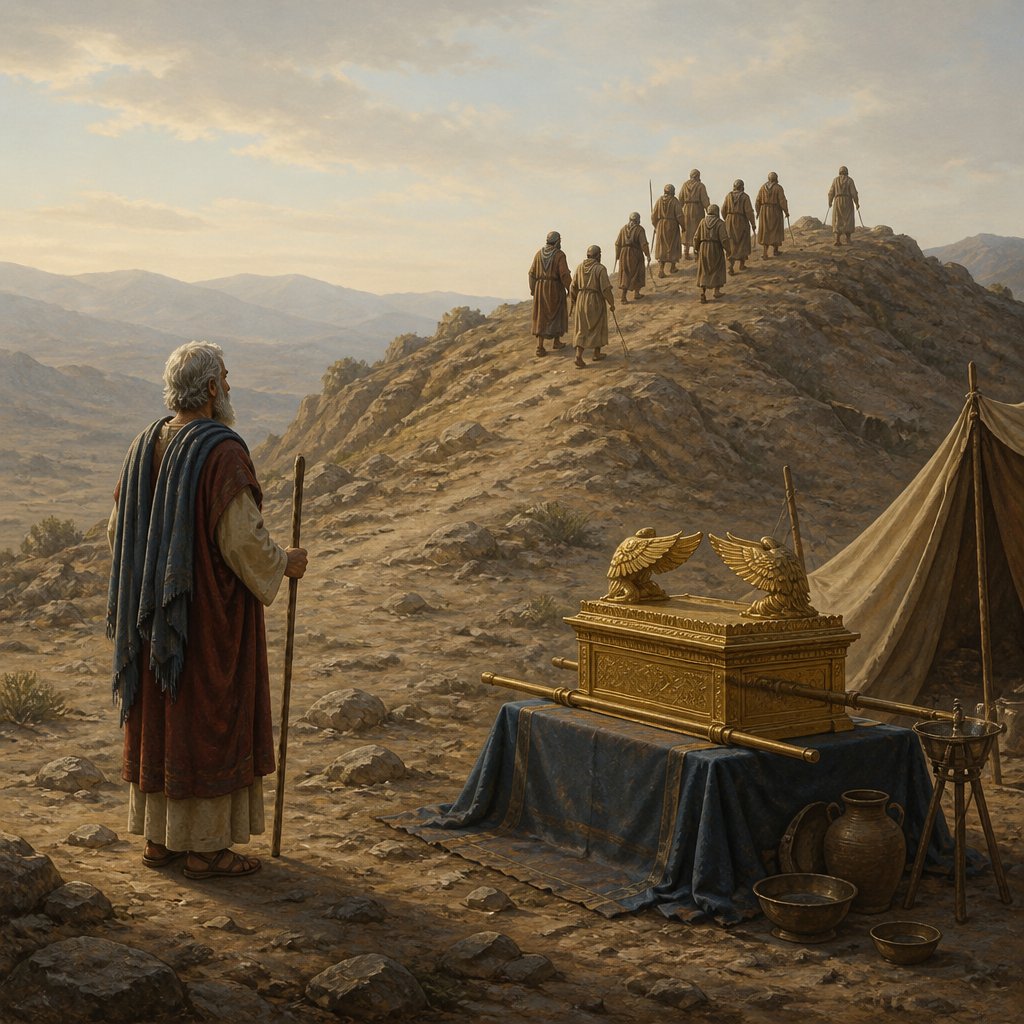
Numbers 14:44 in the King James Version of the Bible states, "But they presumed to go up unto the hill top: nevertheless the ark of the covenant of the Lord, and Moses, departed not out of the camp." This verse comes from the book of Numbers in the Old Testament and is part of the story of the Israelites' journey from Egypt to the Promised Land.
To provide some context, the Israelites had just spent 40 days exploring the land of Canaan, which had been promised to them by God. However, when they returned to report on what they had seen, they were filled with fear and doubt. They believed that the inhabitants of the land were too strong and that they would be unable to conquer it. This lack of faith in God's promise led to serious consequences for the Israelites.
In this verse, the people of Israel decided to disregard the warnings of their leaders and to go up onto the hilltop in an attempt to overtake the land. Despite their presumption, the ark of the covenant and Moses remained in the camp, signifying that God's presence and leadership were not with them. This decision ultimately led to their defeat and loss in battle.
One of the prominent themes in this verse is the importance of obedience and faith in God's promises. The Israelites' presumption to go up onto the hilltop represents their lack of trust in God and their insistence on relying on their own understanding and strength. This disobedience ultimately led to their failure and demonstrated the consequences of their lack of faith.
Another theme present in this verse is the concept of divine presence and leadership. The fact that the ark of the covenant and Moses did not depart from the camp signifies that God's guidance and authority were not with the Israelites in their presumption. This serves as a reminder of the importance of seeking and following God's will in all circumstances, as well as the consequences of acting independently of Him.
There is also symbolism present in this verse, particularly in the ark of the covenant. The ark was a sacred container that symbolized God's presence among the Israelites. It was a powerful symbol of His covenant with His people and His leadership over them. The fact that the ark remained in the camp while the people presumptuously ventured out serves as a powerful visual representation of God's absence and disapproval of their actions.
Overall, Numbers 14:44 serves as a cautionary example of the consequences of disobedience and presumption in the face of God's promises. It emphasizes the importance of faith, obedience, and reliance on God's guidance in all circumstances. The verse also provides a powerful symbolism of God's presence and authority in the form of the ark of the covenant, further reinforcing the themes of divine leadership and the consequences of acting independently of Him. As readers reflect on this verse, they are prompted to consider their own faith and obedience to God in their lives.
Have questions about Numbers 14:44?
Dive deeper into this scripture with Bible Chat — an AI-powered tool for exploring God's Word through conversation. Ask questions, get context, and grow in your understanding of the Bible.
Get Our Apps


Numbers 14:44 Artwork

Numbers 14:44 - "But they presumed to go up unto the hill top: nevertheless the ark of the covenant of the LORD, and Moses, departed not out of the camp."
"But they presumed to go up unto the hill top: nevertheless the ark of the covenant of the LORD, and Moses, departed not out of the camp." - Numbers 14:44

Numbers 16:44 - "¶ And the LORD spake unto Moses, saying,"

Numbers 31:44 - "And thirty and six thousand beeves,"

Numbers 3:44 - "¶ And the LORD spake unto Moses, saying,"

Numbers 7:44 - "One golden spoon of ten shekels, full of incense:"

Numbers 33:44 - "And they departed from Oboth, and pitched in Ije-abarim, in the border of Moab."

Numbers 4:44 - "Even those that were numbered of them after their families, were three thousand and two hundred."

"And thirty and six thousand beeves," - Numbers 31:44

"¶ And the LORD spake unto Moses, saying," - Numbers 3:44

"¶ And the LORD spake unto Moses, saying," - Numbers 16:44

Numbers 26:44 - "¶ Of the children of Asher after their families: of Jimna, the family of the Jimnites: of Jesui, the family of the Jesuites: of Beriah, the family of the Beriites."

Numbers 1:44 - "These are those that were numbered, which Moses and Aaron numbered, and the princes of Israel, being twelve men: each one was for the house of his fathers."

Psalms 44:14 - "Thou makest us a byword among the heathen, a shaking of the head among the people."
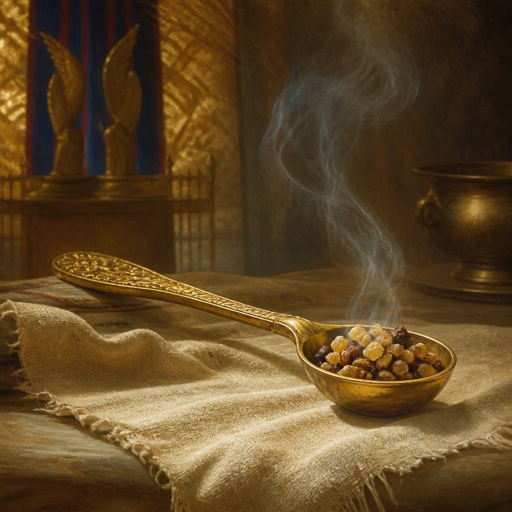
"One golden spoon of ten shekels, full of incense:" - Numbers 7:44

Genesis 44:14 - "¶ And Judah and his brethren came to Joseph's house; for he was yet there: and they fell before him on the ground."

Ezekiel 44:14 - "But I will make them keepers of the charge of the house, for all the service thereof, and for all that shall be done therein."

Leviticus 14:44 - "Then the priest shall come and look, and, behold, if the plague be spread in the house, it is a fretting leprosy in the house: it is unclean."
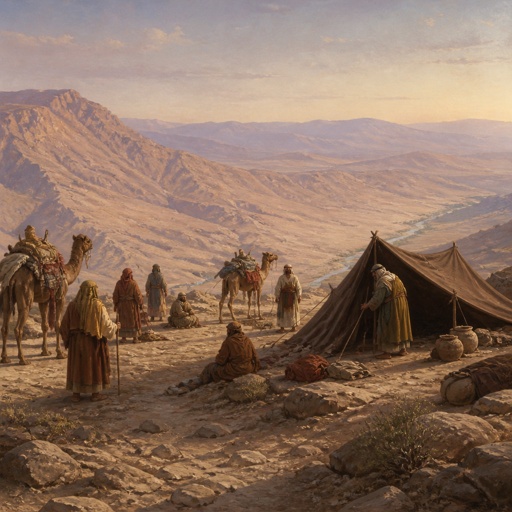
"And they departed from Oboth, and pitched in Ije-abarim, in the border of Moab." - Numbers 33:44

1 Samuel 14:44 - "And Saul answered, God do so and more also: for thou shalt surely die, Jonathan."

Numbers 14:8

Numbers 14:8

Numbers 14:8
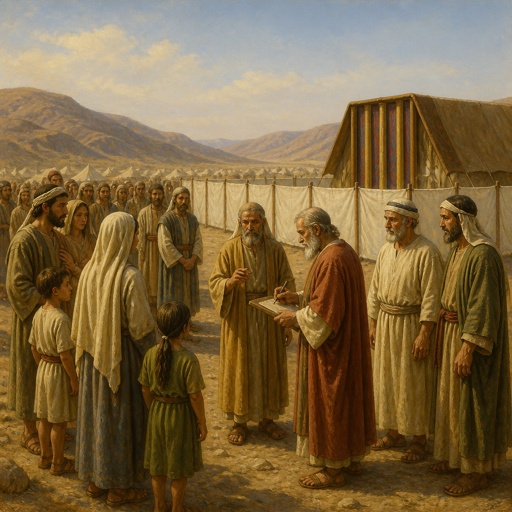
"Even those that were numbered of them after their families, were three thousand and two hundred." - Numbers 4:44

Mark 14:44 - "And he that betrayed him had given them a token, saying, Whomsoever I shall kiss, that same is he; take him, and lead him away safely."

Ending scene of numbers 14

numbers 31:14-15

Numbers 1:14 - "Of Gad; Eliasaph the son of Deuel."

Isaiah 44:14 - "He heweth him down cedars, and taketh the cypress and the oak, which he strengtheneth for himself among the trees of the forest: he planteth an ash, and the rain doth nourish it."

Numbers 13:14 - "Of the tribe of Naphtali, Nahbi the son of Vophsi."