What does Numbers 14:3 mean?
"And wherefore hath the LORD brought us unto this land, to fall by the sword, that our wives and our children should be a prey? were it not better for us to return into Egypt?" - Numbers 14:3
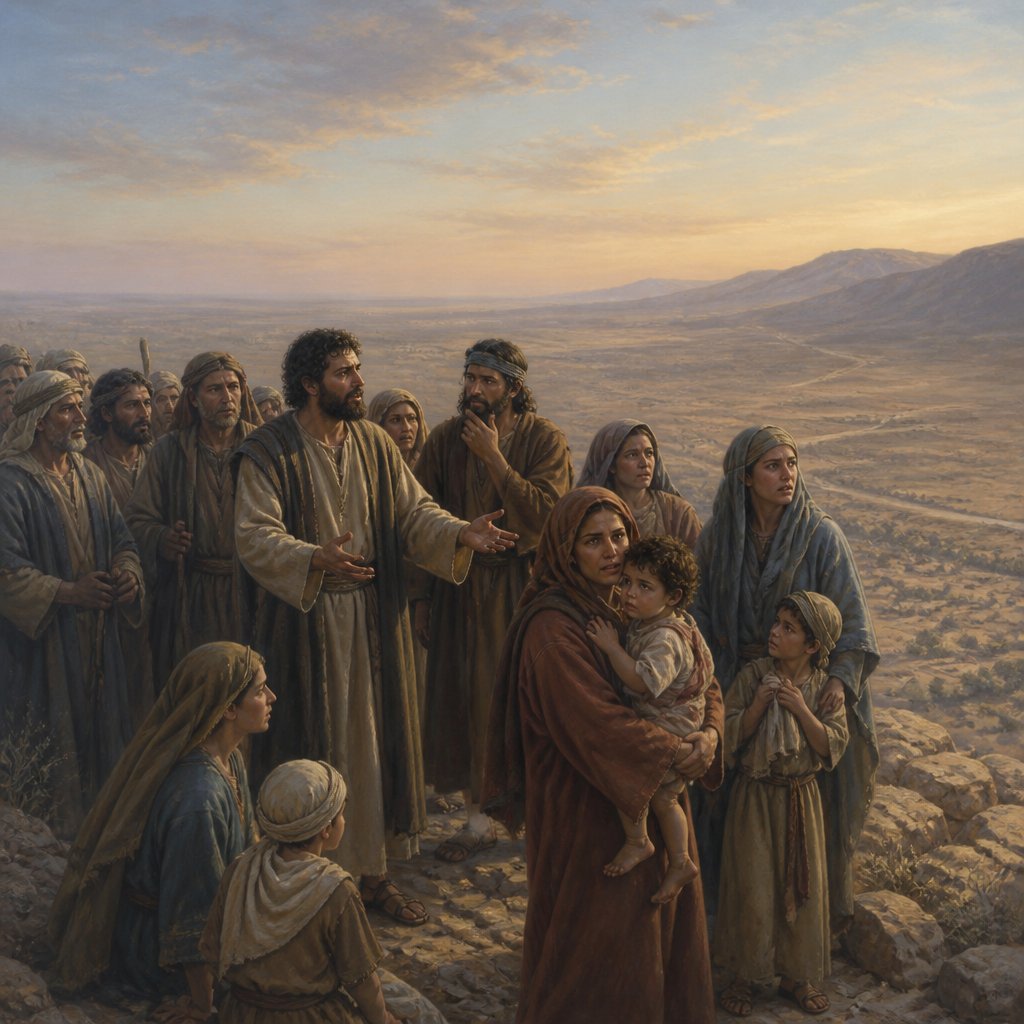
Numbers 14:3 in the King James Version (KJV) of the Bible states, "And wherefore hath the Lord brought us unto this land, to fall by the sword, that our wives and our children should be a prey? were it not better for us to return into Egypt?"
This verse comes from the book of Numbers, which is the fourth book of the Old Testament. It follows the Israelites as they journey through the wilderness on their way to the Promised Land, which God had promised to their ancestor Abraham. In this particular passage, we find the Israelites at a critical juncture in their journey. They have just received a report from 12 spies who were sent to explore the land of Canaan, and the majority of the spies brought back a negative report, causing the people to lose faith in God's promise and rebel against Moses and Aaron.
The context of this passage is the Israelites' lack of faith and trust in God. Despite all the miracles and provisions that God had already performed for them, they still doubted His ability to deliver them into the Promised Land. Instead of relying on God's promise and power, they succumbed to fear and despair, longing to return to Egypt where they were once slaves.
The theme of this passage is the consequence of unbelief and disobedience. The Israelites' lack of faith led them to speak against God and His appointed leaders, Moses and Aaron. This not only angered God, but it also resulted in a severe punishment for the Israelites. Their rebellion cost them the opportunity to enter the Promised Land, as God decreed that they would wander in the wilderness for 40 years until the entire generation of adults had died. Only their children would enter the land.
The symbolism in this passage lies in the contrast between Egypt and the Promised Land. Egypt symbolizes bondage, oppression, and a life of slavery, while the Promised Land symbolizes freedom, abundance, and the fulfillment of God's promise. By desiring to return to Egypt, the Israelites were essentially rejecting God's plan for them and choosing a life of bondage over the freedom that He had promised them. This symbolizes the human tendency to cling to the familiar, even if it means settling for less than what God has in store for us.
Furthermore, the mention of the Israelites' wives and children being a prey highlights the vulnerability and fear that the people were experiencing. This serves as a reminder that when we allow fear and doubt to dominate our hearts, we become susceptible to the enemy's lies and deception, leading to further disobedience and discontent.
In conclusion, Numbers 14:3 in the KJV serves as a sobering reminder of the consequences of unbelief and disobedience. It illustrates the dangers of doubting God's promises and the significance of trusting in His faithfulness, even in the face of daunting challenges. The passage also underscores the importance of perseverance in the midst of trials, as well as the need to constantly remind ourselves of God's faithfulness and provision in our lives. Ultimately, it urges us to fix our eyes on the promises of God and to resist the temptation to return to a life of bondage and fear.
Have questions about Numbers 14:3?
Dive deeper into this scripture with Bible Chat — an AI-powered tool for exploring God's Word through conversation. Ask questions, get context, and grow in your understanding of the Bible.
Get Our Apps


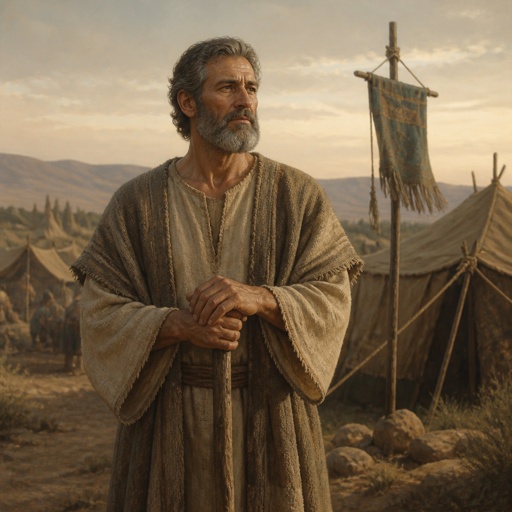
Numbers 14:3 Artwork

Numbers 14:3 - "And wherefore hath the LORD brought us unto this land, to fall by the sword, that our wives and our children should be a prey? were it not better for us to return into Egypt?"
"And wherefore hath the LORD brought us unto this land, to fall by the sword, that our wives and our children should be a prey? were it not better for us to return into Egypt?" - Numbers 14:3

Numbers 3:14 - "¶ And the LORD spake unto Moses in the wilderness of Sinai, saying,"
numbers 21:8-9 & John 3:14
"¶ And the LORD spake unto Moses in the wilderness of Sinai, saying," - Numbers 3:14

Numbers 14:8

Numbers 14:8

Numbers 14:8

Ending scene of numbers 14

numbers 31:14-15

Numbers 1:14 - "Of Gad; Eliasaph the son of Deuel."

Numbers 13:14 - "Of the tribe of Naphtali, Nahbi the son of Vophsi."

Scene from numbers 14:45

Numbers 3:41

Numbers 14:32 - "But as for you, your carcases, they shall fall in this wilderness."

Numbers 18:14 - "Every thing devoted in Israel shall be thine."

Numbers 7:14 - "One spoon of ten shekels of gold, full of incense:"

Numbers 26:14 - "These are the families of the Simeonites, twenty and two thousand and two hundred."

Numbers 14:26 - "¶ And the LORD spake unto Moses and unto Aaron, saying,"

Numbers 14:20 - "And the LORD said, I have pardoned according to thy word:"

Numbers 14:21 - "But as truly as I live, all the earth shall be filled with the glory of the LORD."

Numbers 3:16 - "And Moses numbered them according to the word of the LORD, as he was commanded."

Numbers 14:1 - "And all the congregation lifted up their voice, and cried; and the people wept that night."

Numbers 33:14 - "And they removed from Alush, and encamped at Rephidim, where was no water for the people to drink."

Numbers 2:14 - "Then the tribe of Gad: and the captain of the sons of Gad shall be Eliasaph the son of Reuel."

Numbers 19:14-19 Touching a dead is unclean

Numbers 3:3 - "These are the names of the sons of Aaron, the priests which were anointed, whom he consecrated to minister in the priest's office."
"Of Gad; Eliasaph the son of Deuel." - Numbers 1:14

Numbers 3:5 - "¶ And the LORD spake unto Moses, saying,"

Numbers 3:44 - "¶ And the LORD spake unto Moses, saying,"