What does Numbers 14:15 mean?
"¶ Now if thou shalt kill all this people as one man, then the nations which have heard the fame of thee will speak, saying," - Numbers 14:15
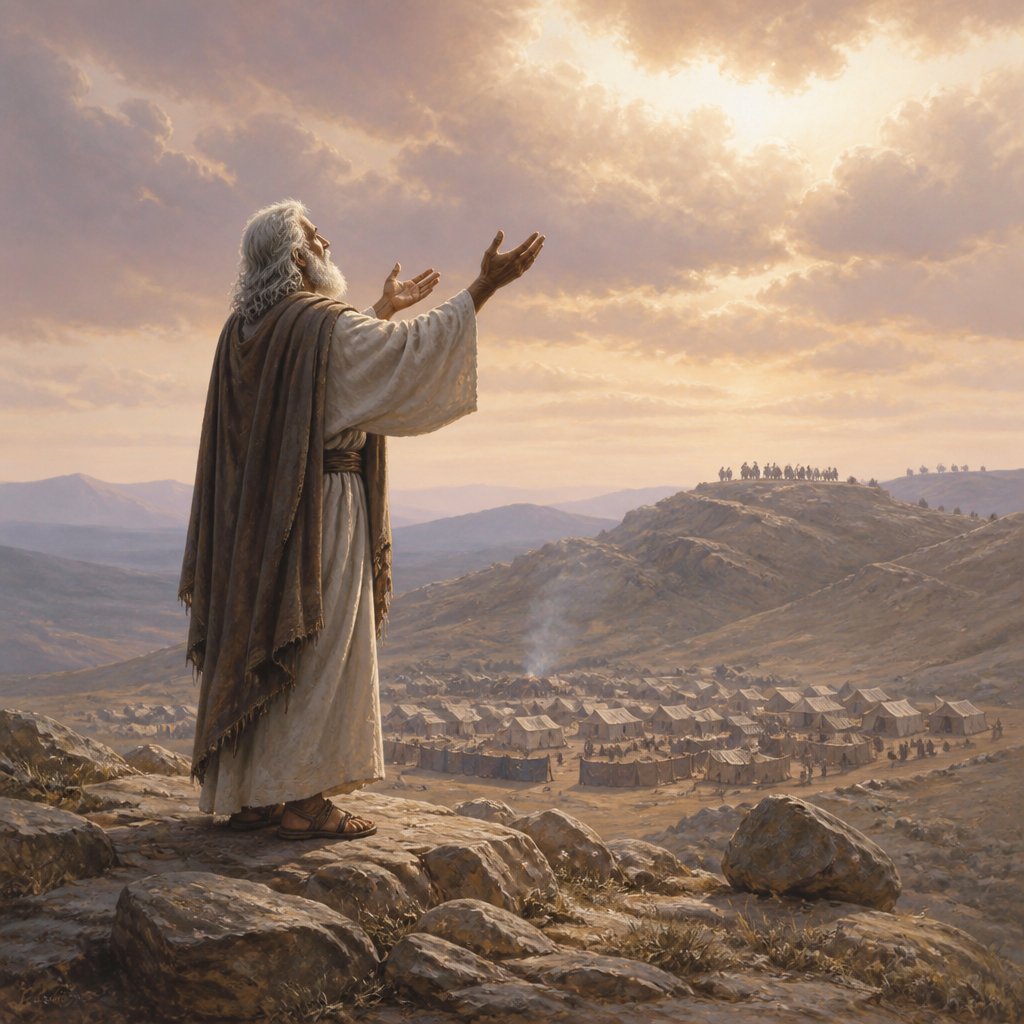
Numbers 14:15 in the King James Version of the Bible reads, "Now if thou shalt kill all this people as one man, then the nations which have heard the fame of thee will speak, saying, Because the Lord was not able to bring this people into the land which he sware unto them, therefore he hath slain them in the wilderness."
This verse is part of the larger narrative of the Israelites' journey from Egypt to the Promised Land. The context of this particular passage is the aftermath of the twelve spies' report on the land of Canaan. The majority of the spies gave a negative report, causing the people to fear and rebel against God. As a result, God declared that the current generation would not enter the Promised Land, and they would wander in the wilderness for forty years until they perished, with only Joshua and Caleb being allowed to enter the Promised Land due to their faithfulness.
In this verse, Moses is interceding on behalf of the people, pleading with God to not destroy them completely. He appeals to God's reputation among the other nations, expressing concern that they will believe that God was not powerful enough to bring the Israelites into the Promised Land, and had instead killed them in the wilderness. This plea for mercy on behalf of the people reflects Moses' compassionate and servant-hearted nature, as he seeks to protect not only the Israelites, but also the honor and reputation of God.
One of the key themes in this passage is the concept of God's justice and mercy. The Israelites had repeatedly disobeyed and rebelled against God, and as a result, they faced the consequences of their actions. However, Moses appeals to God's mercy, asking Him to spare the people despite their wrongdoing. This demonstrates the tension between justice and mercy, and the complex nature of God's character as a just and loving God.
Another theme present in this verse is the idea of God's reputation among the nations. Moses is concerned with how God will be perceived by the other nations if He destroys the Israelites in the wilderness. This reflects the broader theme of God's sovereignty and power, as well as His desire for all people to recognize and honor Him as the one true God. Throughout the Bible, God's interactions with His chosen people are often linked to how His actions are perceived by others, highlighting the importance of His reputation in the world.
In terms of symbolism, the wilderness itself holds symbolic significance in the Bible. It is often associated with a place of testing, purification, and preparation. The Israelites' time in the wilderness served as a period of refining and discipline, where they were tested and ultimately prepared for the challenges they would face in the Promised Land. The forty years of wandering in the wilderness can be seen as a metaphor for the spiritual journey of the Israelites, as they learned to trust and depend on God in the midst of hardships and uncertainties.
Overall, Numbers 14:15 in the King James Version of the Bible is a powerful passage that reflects the tension between justice and mercy, as well as the complex nature of God's character. It also emphasizes the importance of God's reputation among the nations and the symbolic significance of the wilderness in the spiritual journey of the Israelites. This verse serves as a poignant reminder of the depth of God's mercy and the complexities of His sovereign will.
Have questions about Numbers 14:15?
Dive deeper into this scripture with Bible Chat — an AI-powered tool for exploring God's Word through conversation. Ask questions, get context, and grow in your understanding of the Bible.
Get Our Apps


Numbers 14:15 Artwork

Numbers 14:15 - "¶ Now if thou shalt kill all this people as one man, then the nations which have heard the fame of thee will speak, saying,"
"¶ Now if thou shalt kill all this people as one man, then the nations which have heard the fame of thee will speak, saying," - Numbers 14:15

numbers 31:14-15

Numbers 29:15 - "And a several tenth deal to each lamb of the fourteen lambs:"

Numbers 15:14 - "And if a stranger sojourn with you, or whosoever be among you in your generations, and will offer an offering made by fire, of a sweet savour unto the LORD; as ye do, so he shall do."

Numbers 11:14-15 - "I am not able to carry all this people alone, for they are too heavy for me. If I am to do this, you must do me the favor of killing me at once, so I am no longer face my own ruin."

Numbers 12 15

Numbers 11:15

Numbers 14:8

Numbers 14:8

Numbers 14:8

Numbers 1:15 - "Of Naphtali; Ahira the son of Enan."

Ending scene of numbers 14

Numbers 27:15 - "¶ And Moses spake unto the LORD, saying,"

Numbers 15:17 - "¶ And the LORD spake unto Moses, saying,"

Numbers 15:37 - "¶ And the LORD spake unto Moses, saying,"

Numbers 1:14 - "Of Gad; Eliasaph the son of Deuel."

Numbers 15:1 - "And the LORD spake unto Moses, saying,"

Numbers 13:15 - "Of the tribe of Gad, Geuel the son of Machi."

Numbers 13:14 - "Of the tribe of Naphtali, Nahbi the son of Vophsi."

Scene from numbers 14:45

Numbers 14:32 - "But as for you, your carcases, they shall fall in this wilderness."

Numbers 33:15 - "And they departed from Rephidim, and pitched in the wilderness of Sinai."

Numbers 18:14 - "Every thing devoted in Israel shall be thine."

Genesis 15:14

Numbers 3:14 - "¶ And the LORD spake unto Moses in the wilderness of Sinai, saying,"

Numbers 7:14 - "One spoon of ten shekels of gold, full of incense:"

Numbers 10:15 - "And over the host of the tribe of the children of Issachar was Nethaneel the son of Zuar."

Numbers 26:14 - "These are the families of the Simeonites, twenty and two thousand and two hundred."

Numbers 14:26 - "¶ And the LORD spake unto Moses and unto Aaron, saying,"