What does Numbers 12:1-10 mean?
"And Miriam and Aaron spake against Moses because of the Ethiopian woman whom he had married: for he had married an Ethiopian woman. And they said, Hath the LORD indeed spoken only by Moses? hath he not spoken also by us? And the LORD heard it. (Now the man Moses was very meek, above all the men which were upon the face of the earth.) And the LORD spake suddenly unto Moses, and unto Aaron, and unto Miriam, Come out ye three unto the tabernacle of the congregation. And they three came out. And the LORD came down in the pillar of the cloud, and stood in the door of the tabernacle, and called Aaron and Miriam: and they both came forth. And he said, Hear now my words: If there be a prophet among you, I the LORD will make myself known unto him in a vision, and will speak unto him in a dream. My servant Moses is not so, who is faithful in all mine house. With him will I speak mouth to mouth, even apparently, and not in dark speeches; and the similitude of the LORD shall he behold: wherefore then were ye not afraid to speak against my servant Moses? And the anger of the LORD was kindled against them; and he departed. And the cloud departed from off the tabernacle; and, behold, Miriam became leprous, white as snow: and Aaron looked upon Miriam, and, behold, she was leprous." - Numbers 12:1-10
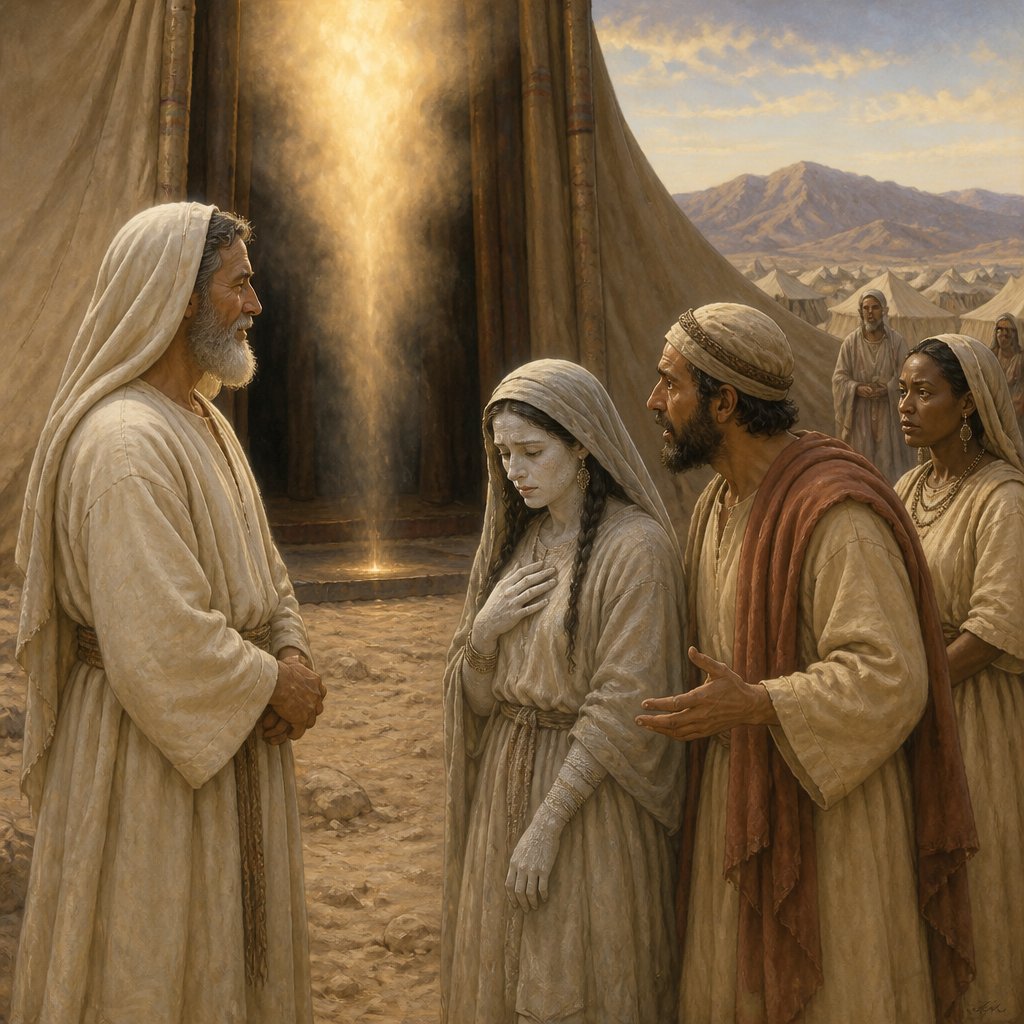
Numbers 12:1-10 in the King James Version of the Bible reads:
"And Miriam and Aaron spake against Moses because of the Ethiopian woman whom he had married: for he had married an Ethiopian woman. And they said, Hath the Lord indeed spoken only by Moses? hath he not spoken also by us? And the Lord heard it. (Now the man Moses was very meek, above all the men which were upon the face of the earth.) And the Lord spake suddenly unto Moses, and unto Aaron, and unto Miriam, Come out ye three unto the tabernacle of the congregation. And they three came out. And the Lord came down in the pillar of the cloud, and stood in the door of the tabernacle, and called Aaron and Miriam: and they both came forth. And he said, Hear now my words: If there be a prophet among you, I the Lord will make myself known unto him in a vision, and will speak unto him in a dream. My servant Moses is not so, who is faithful in all mine house. With him will I speak mouth to mouth, even apparently, and not in dark speeches; and the similitude of the Lord shall he behold: wherefore then were ye not afraid to speak against my servant Moses? And the anger of the Lord was kindled against them; and he departed. And the cloud departed from off the tabernacle; and, behold, Miriam became leprous, white as snow: and Aaron looked upon Miriam, and, behold, she was leprous."
The context of this passage is the story of the Israelites journeying through the wilderness after their exodus from Egypt. Miriam and Aaron were both siblings of Moses and held important leadership roles in the community. The Ethiopian woman mentioned in the passage is most likely Zipporah, the wife of Moses.
The themes present in this passage are jealousy, pride, and the consequences of speaking against God's chosen leader. Miriam and Aaron's jealousy of Moses' unique relationship with God led them to speak out against him. They questioned his authority and sought to elevate their own status as prophets. This passage serves as a reminder of the dangers of pride and the importance of respecting the chosen leaders within the community.
The passage also emphasizes the unique relationship that Moses had with God. Unlike other prophets who received messages through visions and dreams, Moses had a direct line of communication with God. This highlights Moses' exceptional faithfulness and obedience, and further reinforces the severity of Miriam and Aaron's actions in challenging his authority.
The symbolism in this passage is powerful and multifaceted. Firstly, the cloud that descends upon the tabernacle represents the presence of God. It is a visual manifestation of God's authority and power, underscoring the significance of the events that unfold. Additionally, the sudden and severe punishment of Miriam with leprosy serves as a cautionary tale about the consequences of speaking against God's chosen leader. Leprosy was often used in the Bible as a symbol of punishment for sin, and Miriam's sudden affliction serves as a stark reminder of the gravity of her actions.
Overall, Numbers 12:1-10 contains important lessons about the dangers of jealousy and pride, the need for humility and obedience, and the severe consequences of speaking out against God's chosen leaders. It also highlights the unique relationship that Moses had with God, and the importance of respecting and honoring God's chosen authorities. It serves as a sobering reminder of the weight of our words and actions, and the need for humility and obedience in our relationship with God.
Have questions about Numbers 12:1-10?
Dive deeper into this scripture with Bible Chat — an AI-powered tool for exploring God's Word through conversation. Ask questions, get context, and grow in your understanding of the Bible.
Get Our Apps


Numbers 12:1-10 Artwork

Numbers 12:1-10 - "And Miriam and Aaron spake against Moses because of the Ethiopian woman whom he had married: for he had married an Ethiopian woman. And they said, Hath the LORD indeed spoken only by Moses? hath he not spoken also by us? And the LORD heard it. (Now the man Moses was very meek, above all the men which were upon the face of the earth.) And the LORD spake suddenly unto Moses, and unto Aaron, and unto Miriam, Come out ye three unto the tabernacle of the congregation. And they three came out. And the LORD came down in the pillar of the cloud, and stood in the door of the tabernacle, and called Aaron and Miriam: and they both came forth. And he said, Hear now my words: If there be a prophet among you, I the LORD will make myself known unto him in a vision, and will speak unto him in a dream. My servant Moses is not so, who is faithful in all mine house. With him will I speak mouth to mouth, even apparently, and not in dark speeches; and the similitude of the LORD shall he behold: wherefore then were ye not afraid to speak against my servant Moses? And the anger of the LORD was kindled against them; and he departed. And the cloud departed from off the tabernacle; and, behold, Miriam became leprous, white as snow: and Aaron looked upon Miriam, and, behold, she was leprous."
"And Miriam and Aaron spake against Moses because of the Ethiopian woman whom he had married: for he had married an Ethiopian woman. And they said, Hath the LORD indeed spoken only by Moses? hath he not spoken also by us? And the LORD heard it. (Now the man Moses was very meek, above all the men which were upon the face of the earth.) And the LORD spake suddenly unto Moses, and unto Aaron, and unto Miriam, Come out ye three unto the tabernacle of the congregation. And they three came out. And the LORD came down in the pillar of the cloud, and stood in the door of the tabernacle, and called Aaron and Miriam: and they both came forth. And he said, Hear now my words: If there be a prophet among you, I the LORD will make myself known unto him in a vision, and will speak unto him in a dream. My servant Moses is not so, who is faithful in all mine house. With him will I speak mouth to mouth, even apparently, and not in dark speeches; and the similitude of the LORD shall he behold: wherefore then were ye not afraid to speak against my servant Moses? And the anger of the LORD was kindled against them; and he departed. And the cloud departed from off the tabernacle; and, behold, Miriam became leprous, white as snow: and Aaron looked upon Miriam, and, behold, she was leprous." - Numbers 12:1-10

Numbers 12 15

"Mishmannah the fourth, Jeremiah the fifth," - 1 Chronicles 12:10

Numbers 10:12 - "And the children of Israel took their journeys out of the wilderness of Sinai; and the cloud rested in the wilderness of Paran."

Numbers 1:12 - "Of Dan; Ahiezer the son of Ammishaddai."

Numbers 12:1 - "And Miriam and Aaron spake against Moses because of the Ethiopian woman whom he had married: for he had married an Ethiopian woman."

Numbers 10:1 - "And the LORD spake unto Moses, saying,"

Numbers 12:10 - "And the cloud departed from off the tabernacle; and, behold, Miriam became leprous, white as snow: and Aaron looked upon Miriam, and, behold, she was leprous."

"Of Dan; Ahiezer the son of Ammishaddai." - Numbers 1:12

1 Kings 12:10

1 Kings 12:10

Psalm 10:12-18

1 Kings 12:10

1 Kings 12:10

Numbers 10:12 - "And the children of Israel took their journeys out of the wilderness of Sinai; and the cloud rested in the wilderness of Paran."

Numbers 10:12 - "And the children of Israel took their journeys out of the wilderness of Sinai; and the cloud rested in the wilderness of Paran."

Numbers 10:12 - "And the children of Israel took their journeys out of the wilderness of Sinai; and the cloud rested in the wilderness of Paran."

Numbers 10:12 - "And the children of Israel took their journeys out of the wilderness of Sinai; and the cloud rested in the wilderness of Paran."

Numbers 10:12 - "And the children of Israel took their journeys out of the wilderness of Sinai; and the cloud rested in the wilderness of Paran."

Numbers 1:10 - "Of the children of Joseph: of Ephraim; Elishama the son of Ammihud: of Manasseh; Gamaliel the son of Pedahzur."

Numbers 10:12 - "And the children of Israel took their journeys out of the wilderness of Sinai; and the cloud rested in the wilderness of Paran."

1 Chronicles 12:10 - "Mishmannah the fourth, Jeremiah the fifth,"
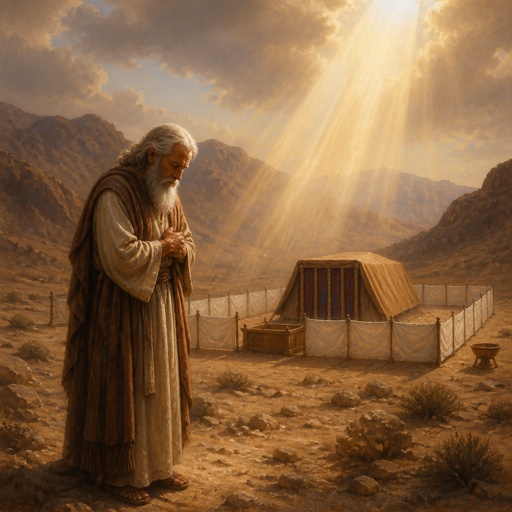
"And the LORD spake unto Moses, saying," - Numbers 10:1

Apocalipsis 11, 19; 12, 1-6. 10
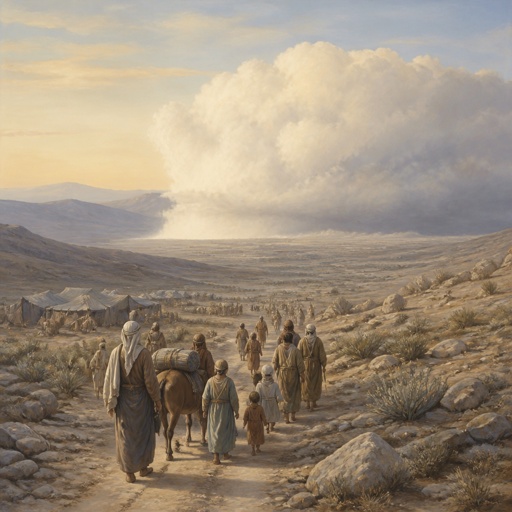
"And the children of Israel took their journeys out of the wilderness of Sinai; and the cloud rested in the wilderness of Paran." - Numbers 10:12

"Create a detailed and artistic mosaic image that depicts various scenes from the biblical book of Numbers (Bamidbar) chapters 8:1 to 12:1. The image should be divided into sections, each representing different events within these chapters, in a style that reflects traditional Jewish art and avoids Christian or Catholic imagery. Numbers 8:1-4: Show the lighting of the Menorah in the Tabernacle (Mishkan). Aaron, the High Priest, should be lighting the Menorah. Ensure that the seven-branched Menorah is prominently displayed. Numbers 8:5-26: Depict the consecration of the Levites (Leviím). Show the Levites being presented before the Tent of Meeting, having their heads shaved and being sprinkled with purifying water. Include elements such as offerings and the elders of Israel laying their hands on the Levites. Numbers 9:1-14: Illustrate the Israelites observing the Passover (Pesach) in the wilderness. Show families gathered around the Passover meal, with symbols of matzah and lamb. Also, include the people who were impure because of contact with a dead body and how they are consulting Moses about observing the Passover later. Numbers 9:15-23: Display the cloud covering the Tabernacle by day and the appearance of fire by night. Show the Israelites encamped around the Tabernacle, with their tents in the background, and the divine cloud and fire above. Numbers 10:1-10: Illustrate the making and use of the silver trumpets (chatzotzrot). Show the priests blowing the trumpets to signal the Israelites' movements and gather the assembly. Numbers 10:11-36: Depict the Israelites setting out from the wilderness of Sinai, following the cloud of the Lord. Show the ark of the covenant being carried by the Levites, leading the people. Numbers 11:1-35: Portray the incidents of the people's complaints and God's provision of quail. Include scenes of the people gathering quail and a representation of the fire that consumed some of the camp due to their complaints. Show Moses speaking to God, but ensure Moses' face is not visible. Numbers 12:1: Show the scene where Miriam and Aaron speak against Moses because of the Cushite woman he had married. Depict Miriam and Aaron in discussion, but do not show Moses' face. The entire mosaic should be harmonious and cohesive, with no individual faces of Moses visible and no words or numbers in the artwork. The style should reflect traditional Jewish artistic sensibilities and avoid any Christian or Catholic symbols."

"Create a detailed and artistic mosaic image that depicts various scenes from the biblical book of Numbers (Bamidbar) chapters 8:1 to 12:1. The image should be divided into sections, each representing different events within these chapters, in a style that reflects traditional Jewish art and avoids Christian or Catholic imagery. Numbers 8:1-4: Show the lighting of the Menorah in the Tabernacle (Mishkan). Aaron, the High Priest, should be lighting the Menorah. Ensure that the seven-branched Menorah is prominently displayed. Numbers 8:5-26: Depict the consecration of the Levites (Leviím). Show the Levites being presented before the Tent of Meeting, having their heads shaved and being sprinkled with purifying water. Include elements such as offerings and the elders of Israel laying their hands on the Levites. Numbers 9:1-14: Illustrate the Israelites observing the Passover (Pesach) in the wilderness. Show families gathered around the Passover meal, with symbols of matzah and lamb. Also, include the people who were impure because of contact with a dead body and how they are consulting Moses about observing the Passover later. Numbers 9:15-23: Display the cloud covering the Tabernacle by day and the appearance of fire by night. Show the Israelites encamped around the Tabernacle, with their tents in the background, and the divine cloud and fire above. Numbers 10:1-10: Illustrate the making and use of the silver trumpets (chatzotzrot). Show the priests blowing the trumpets to signal the Israelites' movements and gather the assembly. Numbers 10:11-36: Depict the Israelites setting out from the wilderness of Sinai, following the cloud of the Lord. Show the ark of the covenant being carried by the Levites, leading the people. Numbers 11:1-35: Portray the incidents of the people's complaints and God's provision of quail. Include scenes of the people gathering quail and a representation of the fire that consumed some of the camp due to their complaints. Show Moses speaking to God, but ensure Moses' face is not visible. Numbers 12:1: Show the scene where Miriam and Aaron speak against Moses because of the Cushite woman he had married. Depict Miriam and Aaron in discussion, but do not show Moses' face. The entire mosaic should be harmonious and cohesive, with no individual faces of Moses visible and no words or numbers in the artwork. The style should reflect traditional Jewish artistic sensibilities and avoid any Christian or Catholic symbols."
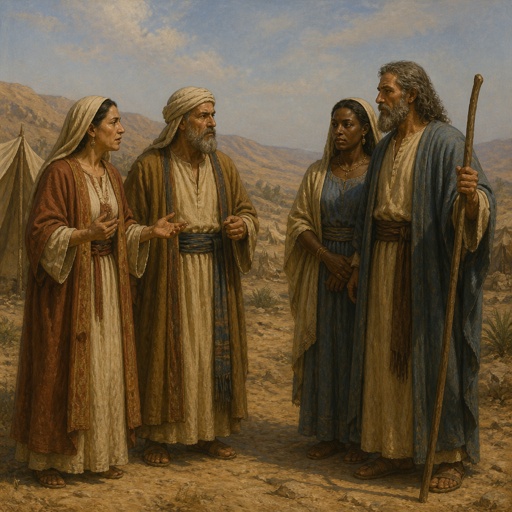
"And Miriam and Aaron spake against Moses because of the Ethiopian woman whom he had married: for he had married an Ethiopian woman." - Numbers 12:1

create a mosaic that depicts numbers 8:1 to 12:16 do not show words