What does Numbers 11:13 mean?
"Whence should I have flesh to give unto all this people? for they weep unto me, saying, Give us flesh, that we may eat." - Numbers 11:13
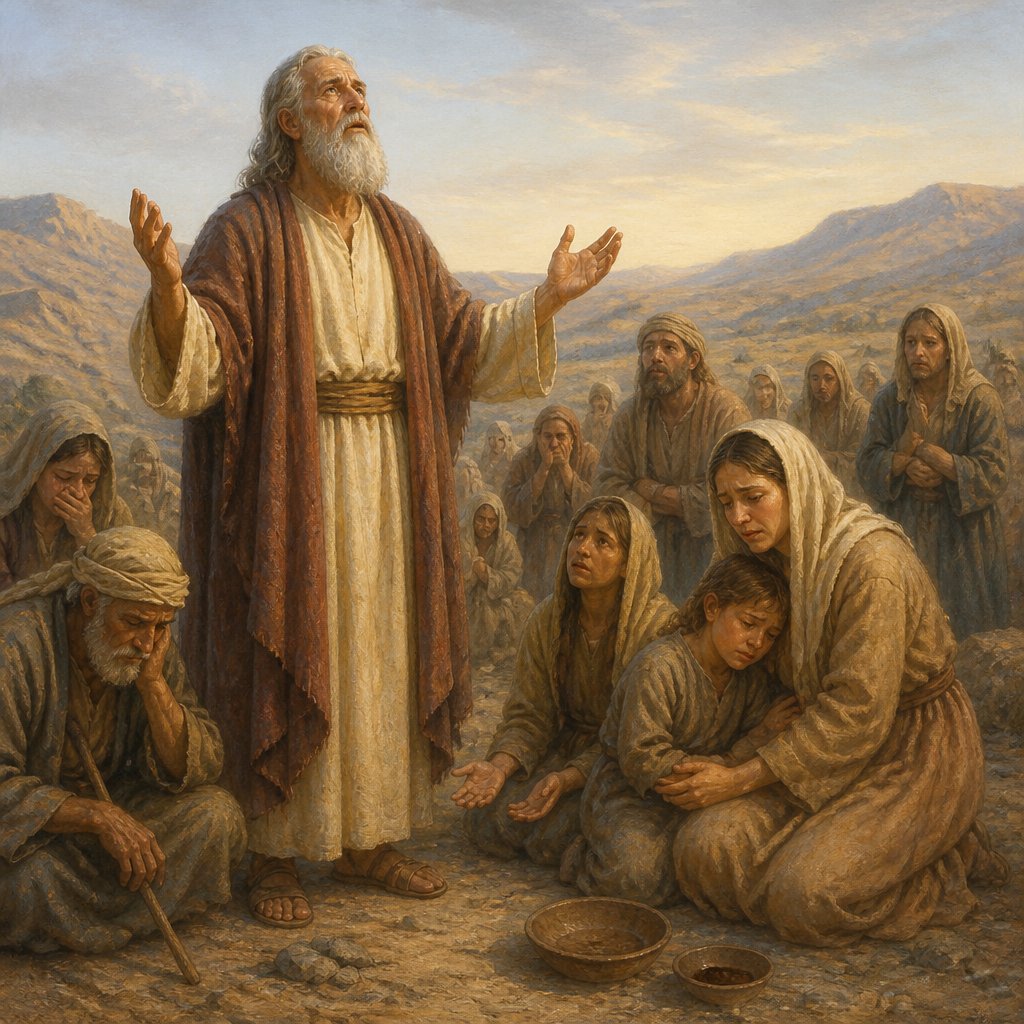
Numbers 11:13 in the King James Version (KJV) reads, "Whence should I have flesh to give unto all this people? for they weep unto me, saying, Give us flesh, that we may eat."
This verse is part of the larger narrative found in the Old Testament book of Numbers, which tells the story of the Israelites' journey from Egypt to the Promised Land. In this particular passage, the Israelites have been wandering in the wilderness for some time, and they are beginning to grumble and complain about their lack of food. They long for the meat, fish, and other foods they enjoyed in Egypt, and they express their dissatisfaction by lamenting to Moses and asking for meat to eat. In response to their complaints, Moses becomes overwhelmed and frustrated, questioning how he can possibly provide meat for all the people.
The theme of discontentment is a prominent one in this passage. The Israelites, despite being rescued from slavery and provided for by God's miraculous provision of manna, are still unsatisfied. They long for the familiar and comfortable foods of their former lives, and they express their dissatisfaction in a manner that is disrespectful and ungrateful. This theme of discontentment is one that resonates throughout the Bible, as it reflects the sinful nature of humanity and our tendency to desire things that are not in line with God's will for us.
The context of this passage is also significant. The Israelites are in the midst of their journey from Egypt to the Promised Land, and they are experiencing the hardships and challenges of life in the wilderness. Their grumbling and complaining are reflective of their lack of trust in God's provision and their inability to see the bigger picture of what God is doing in their lives. This context serves as a powerful reminder to readers of the importance of trust and patience in the midst of difficult circumstances, and it highlights the consequences of allowing discontentment to overshadow gratitude.
Symbolism is also present in this verse, particularly in the symbolism of meat as a representation of earthly desires. The Israelites' desire for meat is a physical manifestation of their longing for the comforts and pleasures of their former lives in Egypt. In this sense, the meat can be seen as a symbol of the sinful desires and temptations that distract us from God's will for our lives. The way in which the Israelites express their longing for meat serves as a cautionary tale about the destructive nature of giving in to earthly desires and the importance of seeking fulfillment in God alone.
In conclusion, Numbers 11:13 in the King James Version is a powerful and thought-provoking passage that addresses themes of discontentment, trust, and the consequences of giving in to earthly desires. The context of the Israelites' journey through the wilderness and the symbolism of their longing for meat provide valuable lessons for readers about the importance of gratitude, trust, and spiritual fulfillment. This verse serves as a reminder of the ongoing struggle between the desires of the flesh and the call to live in alignment with God's will, offering timeless wisdom and guidance for readers of all ages.
Have questions about Numbers 11:13?
Dive deeper into this scripture with Bible Chat — an AI-powered tool for exploring God's Word through conversation. Ask questions, get context, and grow in your understanding of the Bible.
Get Our Apps


Numbers 11:13 Artwork

Numbers 11:13 - "Whence should I have flesh to give unto all this people? for they weep unto me, saying, Give us flesh, that we may eat."
"Whence should I have flesh to give unto all this people? for they weep unto me, saying, Give us flesh, that we may eat." - Numbers 11:13

Numbers 13:11 - "Of the tribe of Joseph, namely, of the tribe of Manasseh, Gaddi the son of Susi."
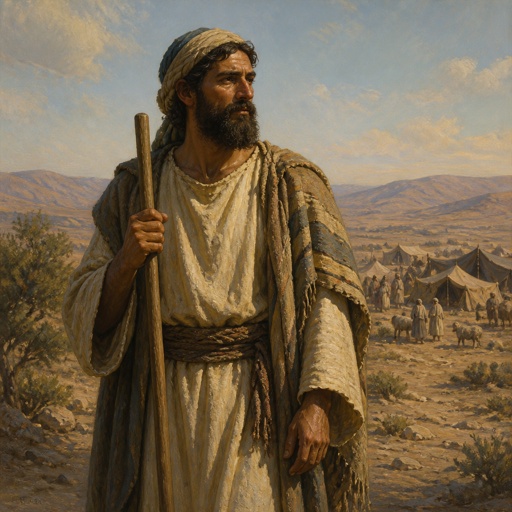
"Of the tribe of Joseph, namely, of the tribe of Manasseh, Gaddi the son of Susi." - Numbers 13:11

Numbers 11. 4 to 6
Psalm 1:1-3
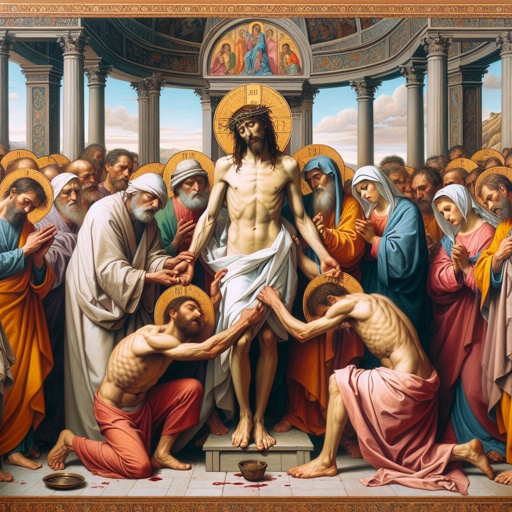
Pain 1:1-3

Numbers 13:13 - "Of the tribe of Asher, Sethur the son of Michael."
Numbers 11

Numbers 11:17
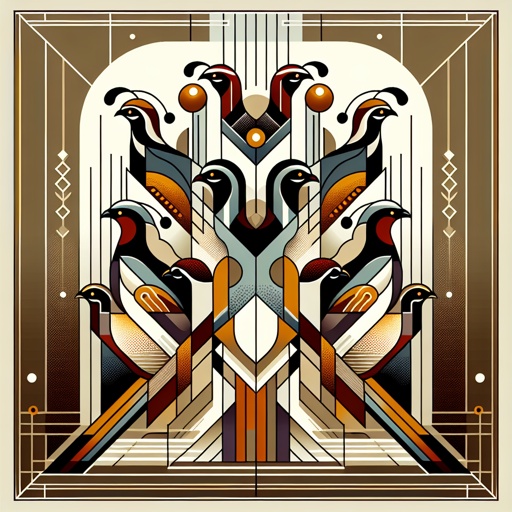
Numbers 11 quail

Numbers 11:15

Numbers 11:5

Numbers 11:16-26

Numbers 23:1-13
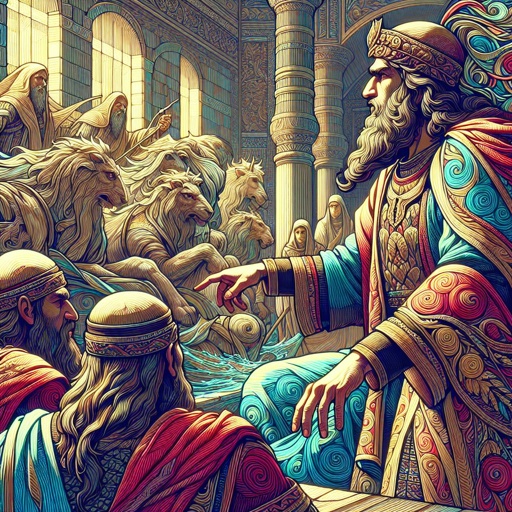
Numbers 1:13 - "Of Asher; Pagiel the son of Ocran."

"Of the tribe of Asher, Sethur the son of Michael." - Numbers 13:13

Numbers 1:11 - "Of Benjamin; Abidan the son of Gideoni."

Numbers 26:11 - "Notwithstanding the children of Korah died not."

Numbers 13:10 - "Of the tribe of Zebulun, Gaddiel the son of Sodi."

Numbers 13:6 - "Of the tribe of Judah, Caleb the son of Jephunneh."

Numbers 13:8 - "Of the tribe of Ephraim, Oshea the son of Nun."

Numbers 33:13 - "And they departed from Dophkah, and encamped in Alush."

Numbers 13:9 - "Of the tribe of Benjamin, Palti the son of Raphu."

Numbers 13:5 - "Of the tribe of Simeon, Shaphat the son of Hori."

Numbers 13:1 - "And the LORD spake unto Moses, saying,"

Numbers 13:15 - "Of the tribe of Gad, Geuel the son of Machi."

Numbers 13:12 - "Of the tribe of Dan, Ammiel the son of Gemalli."

Numbers 13:7 - "Of the tribe of Issachar, Igal the son of Joseph."

Numbers 13:14 - "Of the tribe of Naphtali, Nahbi the son of Vophsi."