What does Nehemiah 9:14 mean?
"And madest known unto them thy holy sabbath, and commandedst them precepts, statutes, and laws, by the hand of Moses thy servant:" - Nehemiah 9:14
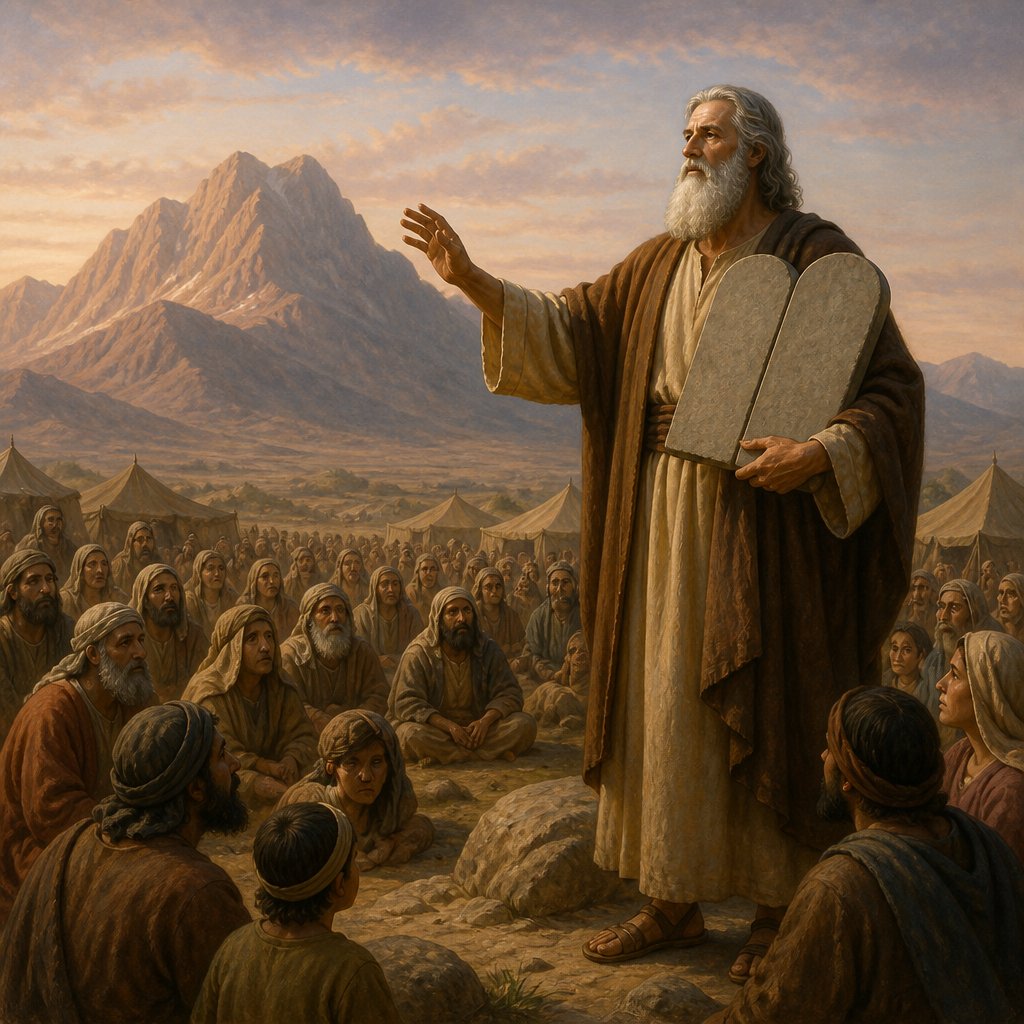
Nehemiah 9:14 (KJV) says, "And madest known unto them thy holy sabbath, and commandedst them precepts, statutes, and laws, by the hand of Moses thy servant."
This verse is part of a prayer of confession and praise to God, spoken by the Levites in the presence of the people of Israel. It comes after a recounting of the many ways in which God had been faithful to the Israelites throughout their history. In this specific section of the prayer, the Levites are acknowledging God's faithfulness in giving the Israelites the Sabbath and the commandments through Moses.
The Sabbath, as mentioned in this verse, is a holy day of rest and worship that God instituted for the Israelites. The Sabbath was to be observed on the seventh day of the week, as a way for the people to remember and honor God's creation of the world in six days and His rest on the seventh day. By giving the Israelites the Sabbath, God was providing them with a regular time of rest and renewal, as well as a way to demonstrate their trust in Him to provide for their needs even as they ceased from their work.
The verse also references God's giving of "precepts, statutes, and laws" through Moses. These precepts, statutes, and laws make up the bulk of the Mosaic covenant, which was the set of laws and regulations that governed the Israelites' behavior and relationships with God and one another. This body of laws, as outlined in the books of Exodus, Leviticus, Numbers, and Deuteronomy, covered everything from religious rites and ceremonies to civil and criminal matters, as well as moral and ethical behavior. These laws were meant to guide the Israelites in living as a holy and set-apart people, reflecting God's character to the nations around them.
The underlying theme of this verse, and the prayer as a whole, is the faithfulness and grace of God towards His people. Despite the Israelites' repeated disobedience and faithlessness, God continued to show compassion and mercy towards them, providing for their needs and remaining faithful to His covenant promises. The Sabbath and the giving of the commandments through Moses were further demonstrations of God's care for His people, providing them with moral and spiritual guidance as well as physical rest.
In a broader context, this verse reflects the importance of remembering and honoring God's faithfulness in the past. The Israelites were encouraged to recount their history and acknowledge God's provision and guidance, as a way of strengthening their faith and trust in Him for the present and the future. This principle holds true for believers today, who are also called to remember God's faithfulness in their own lives and in the history of the church, as a way of deepening their relationship with Him and finding hope and confidence in His promises.
Symbolically, the Sabbath and the commandments given through Moses can also be seen as pointing towards the ultimate rest and fulfillment found in Jesus Christ. In the New Testament, Jesus is described as the ultimate Sabbath rest for believers, providing spiritual and emotional rest from the burdens of sin and the cares of the world. Additionally, Jesus fulfilled the law given through Moses, offering Himself as the perfect sacrifice for sin and ushering in a new covenant based on grace and faith. In this way, the themes and symbols found in Nehemiah 9:14 find their ultimate fulfillment in the person and work of Jesus Christ.
Have questions about Nehemiah 9:14?
Dive deeper into this scripture with Bible Chat — an AI-powered tool for exploring God's Word through conversation. Ask questions, get context, and grow in your understanding of the Bible.
Get Our Apps


Nehemiah 9:14 Artwork

Nehemiah 9:14 - "And madest known unto them thy holy sabbath, and commandedst them precepts, statutes, and laws, by the hand of Moses thy servant:"
"And madest known unto them thy holy sabbath, and commandedst them precepts, statutes, and laws, by the hand of Moses thy servant:" - Nehemiah 9:14

Nehemiah 6:9

Nehemiah 11:11-14

Nehemiah 12:14 - "Of Melicu, Jonathan; of Shebaniah, Joseph;"

Nehemiah 9:9 - "And didst see the affliction of our fathers in Egypt, and heardest their cry by the Red sea;"

Nehemiah 7:14 - "The children of Zaccai, seven hundred and threescore."

Nehemiah 7:9 - "The children of Shephatiah, three hundred seventy and two."

Nehemiah 10:14 - "The chief of the people; Parosh, Pahath-moab, Elam, Zatthu, Bani,"
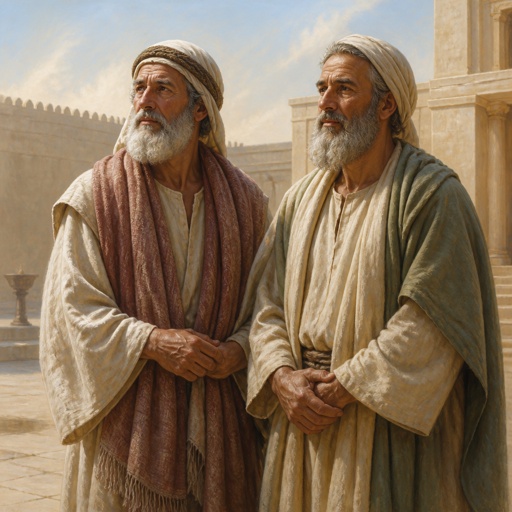
"Of Melicu, Jonathan; of Shebaniah, Joseph;" - Nehemiah 12:14

Nehemiah 9:16 - "But they and our fathers dealt proudly, and hardened their necks, and hearkened not to thy commandments,"

Nehemiah 12:9 - "Also Bakbukiah and Unni, their brethren, were over against them in the watches."

Nehemiah 10:9 - "And the Levites: both Jeshua the son of Azaniah, Binnui of the sons of Henadad, Kadmiel;"

Nehemiah 11:9 - "And Joel the son of Zichri was their overseer: and Judah the son of Senuah was second over the city."

Nehemiah 2:14 - "Then I went on to the gate of the fountain, and to the king's pool: but there was no place for the beast that was under me to pass."
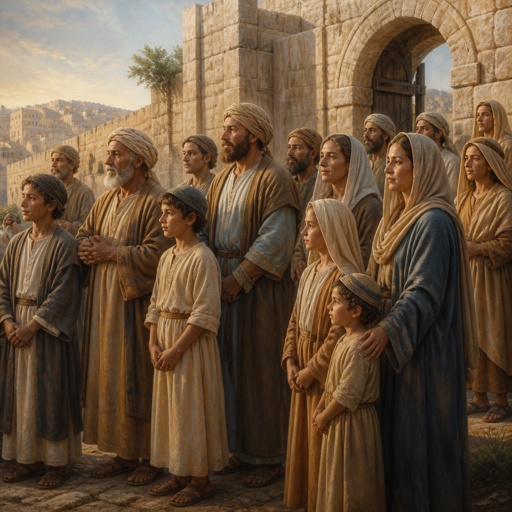
"The children of Zaccai, seven hundred and threescore." - Nehemiah 7:14

Nehemiah 3:9 - "And next unto them repaired Rephaiah the son of Hur, the ruler of the half part of Jerusalem."
Nehemiah 11:14 - "And their brethren, mighty men of valour, an hundred twenty and eight: and their overseer was Zabdiel, the son of one of the great men."

Nehemiah 9:2 - "And the seed of Israel separated themselves from all strangers, and stood and confessed their sins, and the iniquities of their fathers."

Nehemiah 8:9 - "¶ And Nehemiah, which is the Tirshatha, and Ezra the priest the scribe, and the Levites that taught the people, said unto all the people, This day is holy unto the LORD your God; mourn not, nor weep. For all the people wept, when they heard the words of the law."

Nehemiah 9:38 - "And because of all this we make a sure covenant, and write it; and our princes, Levites, and priests, seal unto it."

"And didst see the affliction of our fathers in Egypt, and heardest their cry by the Red sea;" - Nehemiah 9:9

Nehemiah 13:9 - "Then I commanded, and they cleansed the chambers: and thither brought I again the vessels of the house of God, with the meat offering and the frankincense."

"The children of Shephatiah, three hundred seventy and two." - Nehemiah 7:9

Nehemiah 9:1 - "Now in the twenty and fourth day of this month the children of Israel were assembled with fasting, and with sackclothes, and earth upon them."

Nehemiah 8:14 - "And they found written in the law which the LORD had commanded by Moses, that the children of Israel should dwell in booths in the feast of the seventh month:"

Nehemiah 9:33 - "Howbeit thou art just in all that is brought upon us; for thou hast done right, but we have done wickedly:"

Nehemiah 6:14 - "My God, think thou upon Tobiah and Sanballat according to these their works, and on the prophetess Noadiah, and the rest of the prophets, that would have put me in fear."

Nehemiah 9:21 - "Yea, forty years didst thou sustain them in the wilderness, so that they lacked nothing; their clothes waxed not old, and their feet swelled not."

Nehemiah 4:9 - "Nevertheless we made our prayer unto our God, and set a watch against them day and night, because of them."