What does Nehemiah 8:1 mean?
"And all the people gathered themselves together as one man into the street that was before the water gate; and they spake unto Ezra the scribe to bring the book of the law of Moses, which the LORD had commanded to Israel." - Nehemiah 8:1
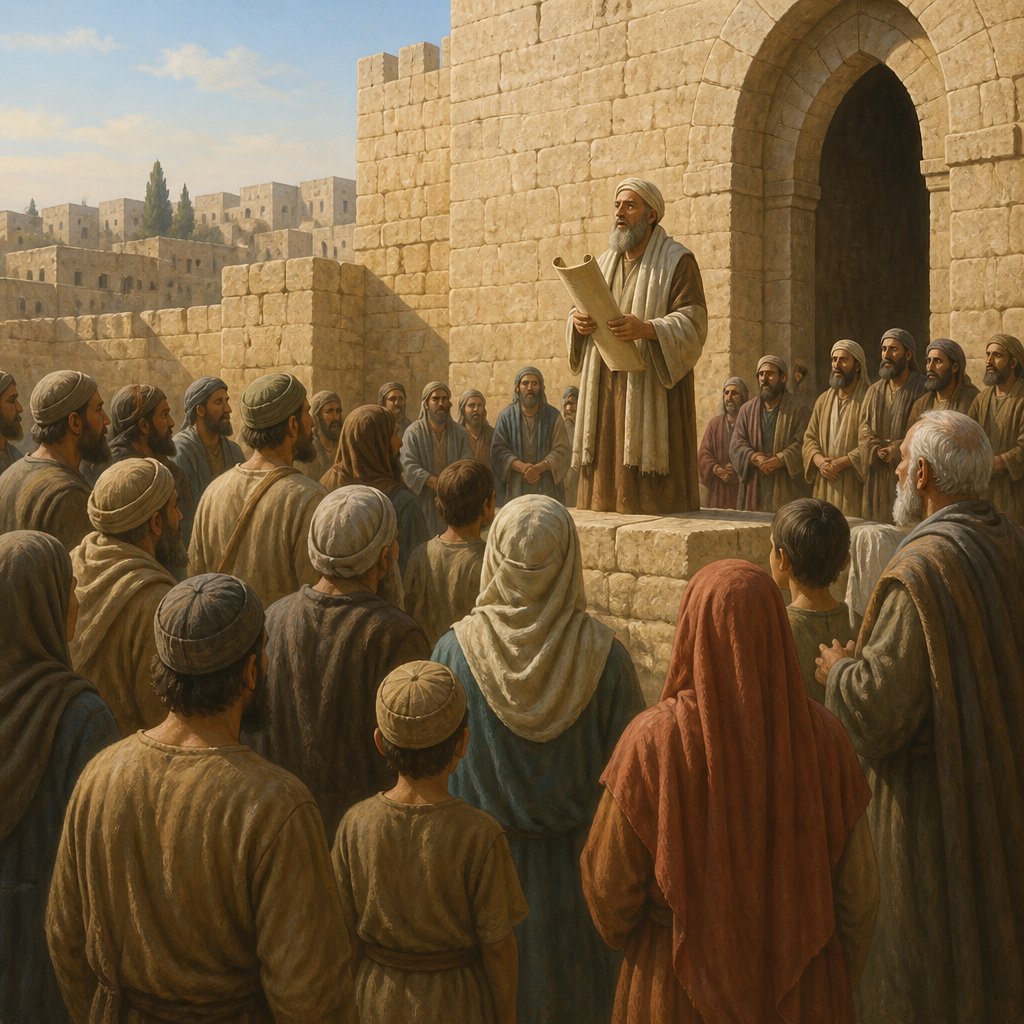
At first glance, Nehemiah 8:1 may seem like a simple verse about the people gathering to hear the reading of the Law, but when examined in its historical and cultural context, it becomes a rich and profound revelation of the significance of the Word of God to the Israelite community.
The book of Nehemiah takes place during the Persian period, when the Israelites had returned from exile in Babylon and were living in Jerusalem. Nehemiah, a cupbearer to King Artaxerxes, received permission and resources to rebuild the walls of Jerusalem and restore the city to its former glory. As the walls were completed, the people of Israel gathered together in the square in front of the Water Gate, a public area in the heart of the city, to hear the reading of the Law. This act of communal gathering and the importance of the Law holds specific cultural and religious significance for the Israelites, and it serves as a powerful symbol of their identity and unity as a people.
The first part of Nehemiah 8:1 states, "all the people gathered themselves together as one man into the street that was before the water gate; and they spake unto Ezra the scribe to bring the book of the law of Moses, which the Lord had commanded to Israel." This unified gathering of the people reflects their collective commitment to the Word of God and their desire to hear and understand His commandments. The phrase "as one man" emphasizes the unity and solidarity of the community, highlighting the communal aspect of their faith and their shared responsibility to uphold the teachings of the Law.
The fact that the people specifically asked Ezra, the scribe, to bring the book of the Law of Moses is significant. Ezra was not only a skilled scribe and scholar but also a priest and a leader within the Israelite community. His role in bringing forth the Law reflects the religious authority and leadership that he held among the people. Additionally, the mention of the "book of the law of Moses, which the Lord had commanded to Israel" underscores the divine origin and significance of the Law. It serves as a reminder to the people that these commandments were not mere human creations but were directly inspired and commanded by God himself.
The next part of the verse states, "And Ezra the priest brought the law before the congregation both of men and women, and all that could hear with understanding, upon the first day of the seventh month." This emphasis on inclusivity and accessibility is notable. The gathering included men and women, as well as all who could hear with understanding, indicating that the reading of the Law was meant to be accessible to the entire community. This inclusivity reflects the egalitarian nature of the Israelite faith, where both men and women were valued members of the community, and all were responsible for upholding the teachings of the Law.
The mention of the first day of the seventh month is also significant, as it corresponds to the Jewish holiday of Rosh Hashanah, the Jewish New Year. Rosh Hashanah is a time of reflection, repentance, and renewal, and it is traditionally marked by the blowing of the shofar (a ram's horn), symbolizing the call to repentance and spiritual awakening. The timing of the reading of the Law on Rosh Hashanah adds a layer of spiritual significance to the event, as it serves as a reminder to the people of the importance of spiritual renewal and obedience to God's commandments as they enter into the new year.
In summary, Nehemiah 8:1 captures a pivotal moment in the spiritual and communal life of the Israelite community. The gathering of the people to hear the reading of the Law represents their collective commitment to upholding the teachings of God, their unity as a community, and their desire for spiritual renewal. The emphasis on inclusivity, the authority of the scribe, the divine origin of the Law, and the timing of the event all contribute to the profound significance of this verse within its historical and cultural context. As such, this verse serves as a powerful reminder of the enduring importance of the Word of God to the Israelite community and to all who seek spiritual guidance and renewal through the teachings of the Bible.
Have questions about Nehemiah 8:1?
Dive deeper into this scripture with Bible Chat — an AI-powered tool for exploring God's Word through conversation. Ask questions, get context, and grow in your understanding of the Bible.
Get Our Apps


Nehemiah 8:1 Artwork

Nehemiah 8:1 - "And all the people gathered themselves together as one man into the street that was before the water gate; and they spake unto Ezra the scribe to bring the book of the law of Moses, which the LORD had commanded to Israel."
"And all the people gathered themselves together as one man into the street that was before the water gate; and they spake unto Ezra the scribe to bring the book of the law of Moses, which the LORD had commanded to Israel." - Nehemiah 8:1

Nehemiah 8:10

Nehemiah 8:10

Nehemiah 8:10

Nehemiah 1:8 - "Remember, I beseech thee, the word that thou commandedst thy servant Moses, saying, If ye transgress, I will scatter you abroad among the nations:"

Nehemiah 8:8 - "So they read in the book in the law of God distinctly, and gave the sense, and caused them to understand the reading."

Nehemiah 10:8 - "Maaziah, Bilgai, Shemaiah: these were the priests."

Nehemiah 1:1 - "The words of Nehemiah the son of Hachaliah. And it came to pass in the month Chisleu, in the twentieth year, as I was in Shushan the palace,"

Nehemiah 7:8 - "The children of Parosh, two thousand an hundred seventy and two."

Nehemiah 10:1 - "Now those that sealed were, Nehemiah, the Tirshatha, the son of Hachaliah, and Zidkijah,"

Nehemiah 11:8 - "And after him Gabbai, Sallai, nine hundred twenty and eight."

Nehemiah 4:8 - "And conspired all of them together to come and to fight against Jerusalem, and to hinder it."

Nehemiah 11:1-19
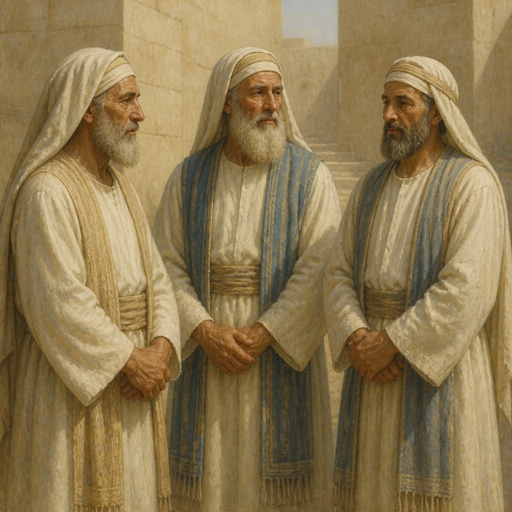
"Maaziah, Bilgai, Shemaiah: these were the priests." - Nehemiah 10:8

Nehemiah 8:9 - "¶ And Nehemiah, which is the Tirshatha, and Ezra the priest the scribe, and the Levites that taught the people, said unto all the people, This day is holy unto the LORD your God; mourn not, nor weep. For all the people wept, when they heard the words of the law."

Nehemiah 13:8 - "And it grieved me sore: therefore I cast forth all the household stuff of Tobiah out of the chamber."

Nehemiah 11:13

Nehemiah 12:8 - "Moreover the Levites: Jeshua, Binnui, Kadmiel, Sherebiah, Judah, and Mattaniah, which was over the thanksgiving, he and his brethren."

Nehemiah 8:11 - "So the Levites stilled all the people, saying, Hold your peace, for the day is holy; neither be ye grieved."
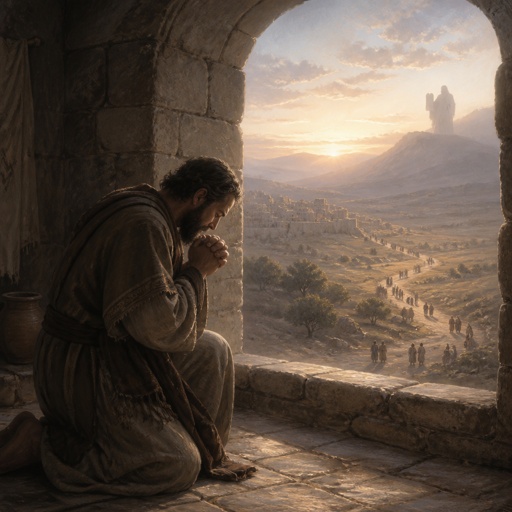
"Remember, I beseech thee, the word that thou commandedst thy servant Moses, saying, If ye transgress, I will scatter you abroad among the nations:" - Nehemiah 1:8

Nehemiah 11:11-14

Nehemiah 8:14 - "And they found written in the law which the LORD had commanded by Moses, that the children of Israel should dwell in booths in the feast of the seventh month:"
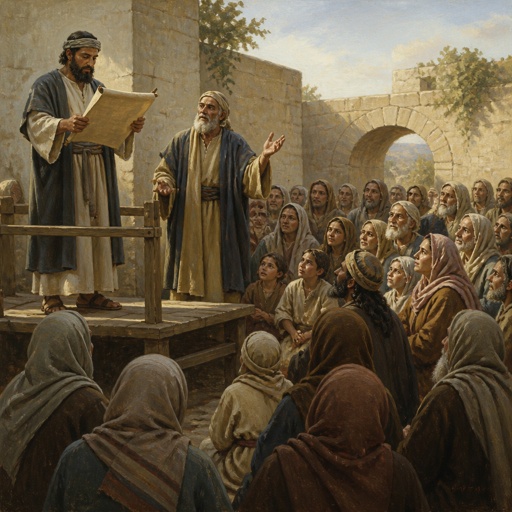
"So they read in the book in the law of God distinctly, and gave the sense, and caused them to understand the reading." - Nehemiah 8:8

"The words of Nehemiah the son of Hachaliah. And it came to pass in the month Chisleu, in the twentieth year, as I was in Shushan the palace," - Nehemiah 1:1

Nehemiah 6:8 - "Then I sent unto him, saying, There are no such things done as thou sayest, but thou feignest them out of thine own heart."
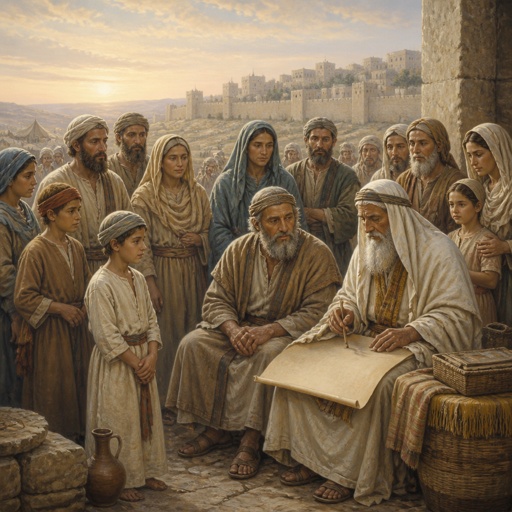
"The children of Parosh, two thousand an hundred seventy and two." - Nehemiah 7:8

"Now those that sealed were, Nehemiah, the Tirshatha, the son of Hachaliah, and Zidkijah," - Nehemiah 10:1

Nehemiah book overview with element mentioned

Nehemiah 8:5 - "And Ezra opened the book in the sight of all the people; (for he was above all the people;) and when he opened it, all the people stood up:"