What does Nehemiah 7:66 mean?
"¶ The whole congregation together was forty and two thousand three hundred and threescore," - Nehemiah 7:66
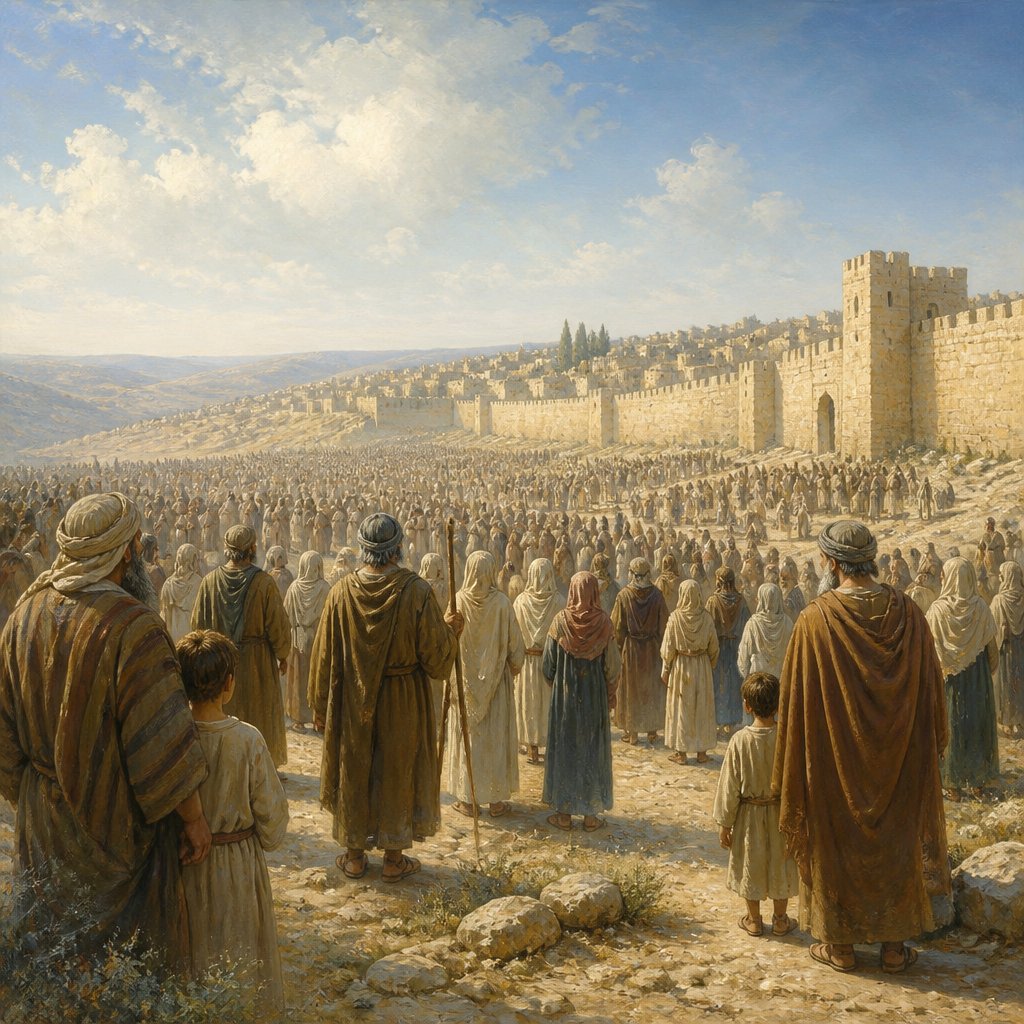
Nehemiah 7:66 in the King James Version reads: "The whole congregation together was forty and two thousand three hundred and threescore." This verse is taken from the book of Nehemiah, which is part of the Old Testament. The book of Nehemiah is primarily concerned with the rebuilding of the walls of Jerusalem and the restoration of the city.
In this specific verse, the author is recounting the number of people who were part of the community that returned to Jerusalem after their exile in Babylon. The mention of "forty and two thousand three hundred and threescore" reflects the large number of people who were involved in this return, suggesting a significant and cohesive community.
A major theme in the book of Nehemiah is the restoration and rebuilding of Jerusalem. The city had been devastated during the Babylonian exile, and the return of the Israelites marked a new beginning for the city. The large number of people mentioned in this verse emphasizes the strength and unity of the community, which was essential for the successful rebuilding of the city.
The context of this verse is important for understanding its significance. The Israelites had been exiled to Babylon for many years, and the return to Jerusalem was a pivotal moment in their history. The city had been in ruins, and the community was faced with the monumental task of rebuilding the city and restoring their way of life. The verse serves as a reminder of the immense effort and commitment that went into this restoration process.
Symbolically, the number mentioned in this verse holds significance. In ancient Hebrew culture, numbers often held symbolic meaning. The number "forty and two thousand three hundred and threescore" can be interpreted as representing completeness and abundance. The large number of people coming together to return to Jerusalem reflects a sense of wholeness and unity within the community.
Furthermore, the number "forty" is often associated with a period of testing or trial. In the Bible, the Israelites wandered in the wilderness for forty years, and Jesus fasted for forty days. This suggests that the return to Jerusalem was a significant and challenging journey for the Israelites, but they were ultimately able to overcome these trials.
Additionally, the number "forty-two" also holds significance in the Bible. In the book of Revelation, the number "forty-two months" is used to represent a period of tribulation. This further emphasizes the idea that the return to Jerusalem was a test for the Israelites, but they were able to endure and come together as a unified community.
Overall, Nehemiah 7:66 from the King James Version of the Bible holds important thematic, contextual, and symbolic significance. It highlights the strength and unity of the community returning to Jerusalem and serves as a reminder of the restoration and rebuilding process that took place. Additionally, the symbolic meaning of the number mentioned in the verse further emphasizes the significance of this moment in the Israelites' history.
Have questions about Nehemiah 7:66?
Dive deeper into this scripture with Bible Chat — an AI-powered tool for exploring God's Word through conversation. Ask questions, get context, and grow in your understanding of the Bible.
Get Our Apps


Nehemiah 7:66 Artwork
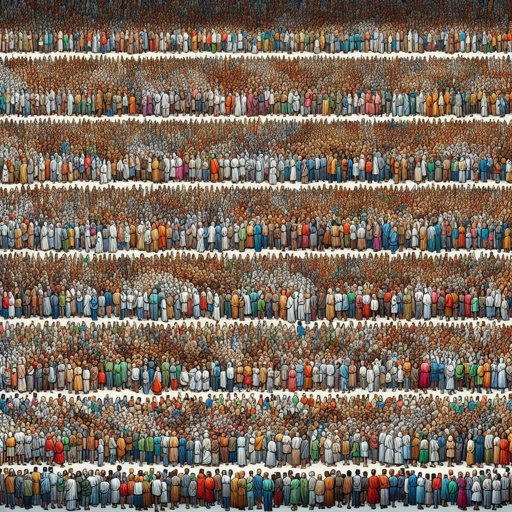
Nehemiah 7:66 - "¶ The whole congregation together was forty and two thousand three hundred and threescore,"
"¶ The whole congregation together was forty and two thousand three hundred and threescore," - Nehemiah 7:66
Numbers 7:66 - "¶ On the tenth day Ahiezer the son of Ammishaddai, prince of the children of Dan, offered:"

Psalms 66:7 - "He ruleth by his power for ever; his eyes behold the nations: let not the rebellious exalt themselves. Selah."

Isaiah 66:7 - "Before she travailed, she brought forth; before her pain came, she was delivered of a man child."

Nehemiah 7:7 - "Who came with Zerubbabel, Jeshua, Nehemiah, Azariah, Raamiah, Nahamani, Mordecai, Bilshan, Mispereth, Bigvai, Nehum, Baanah. The number, I say, of the men of the people of Israel was this;"

Nehemiah 10:7 - "Meshullam, Abijah, Mijamin,"

Nehemiah 7:42 - "The children of Harim, a thousand and seventeen."

Nehemiah 7:24 - "The children of Hariph, an hundred and twelve."

Nehemiah 7:56 - "The children of Neziah, the children of Hatipha."

Nehemiah 7:25 - "The children of Gibeon, ninety and five."
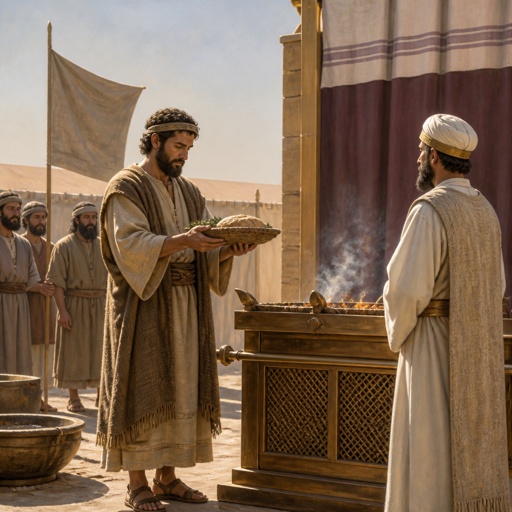
"¶ On the tenth day Ahiezer the son of Ammishaddai, prince of the children of Dan, offered:" - Numbers 7:66

Nehemiah 7:40 - "The children of Immer, a thousand fifty and two."

Nehemiah 7:31 - "The men of Michmas, an hundred and twenty and two."

Nehemiah 7:33 - "The men of the other Nebo, fifty and two."

Nehemiah 7:28 - "The men of Beth-azmaveth, forty and two."

Nehemiah 7:21 - "The children of Ater of Hezekiah, ninety and eight."

Nehemiah 7:14 - "The children of Zaccai, seven hundred and threescore."

Nehemiah 7:27 - "The men of Anathoth, an hundred twenty and eight."

Nehemiah 7:35 - "The children of Harim, three hundred and twenty."

Nehemiah 7:16 - "The children of Bebai, six hundred twenty and eight."

Nehemiah 7:58 - "The children of Jaala, the children of Darkon, the children of Giddel,"

Nehemiah 7:9 - "The children of Shephatiah, three hundred seventy and two."

Nehemiah 7:48 - "The children of Lebana, the children of Hagaba, the children of Shalmai,"

Nehemiah 7:15 - "The children of Binnui, six hundred forty and eight."

Nehemiah 7:19 - "The children of Bigvai, two thousand threescore and seven."

Nehemiah 7:44 - "¶ The singers: the children of Asaph, an hundred forty and eight."

Nehemiah 7:13 - "The children of Zattu, eight hundred forty and five."

Nehemiah 7:18 - "The children of Adonikam, six hundred threescore and seven."

Nehemiah 7:49 - "The children of Hanan, the children of Giddel, the children of Gahar,"