What does Nehemiah 7:30 mean?
"The men of Ramah and Geba, six hundred twenty and one." - Nehemiah 7:30
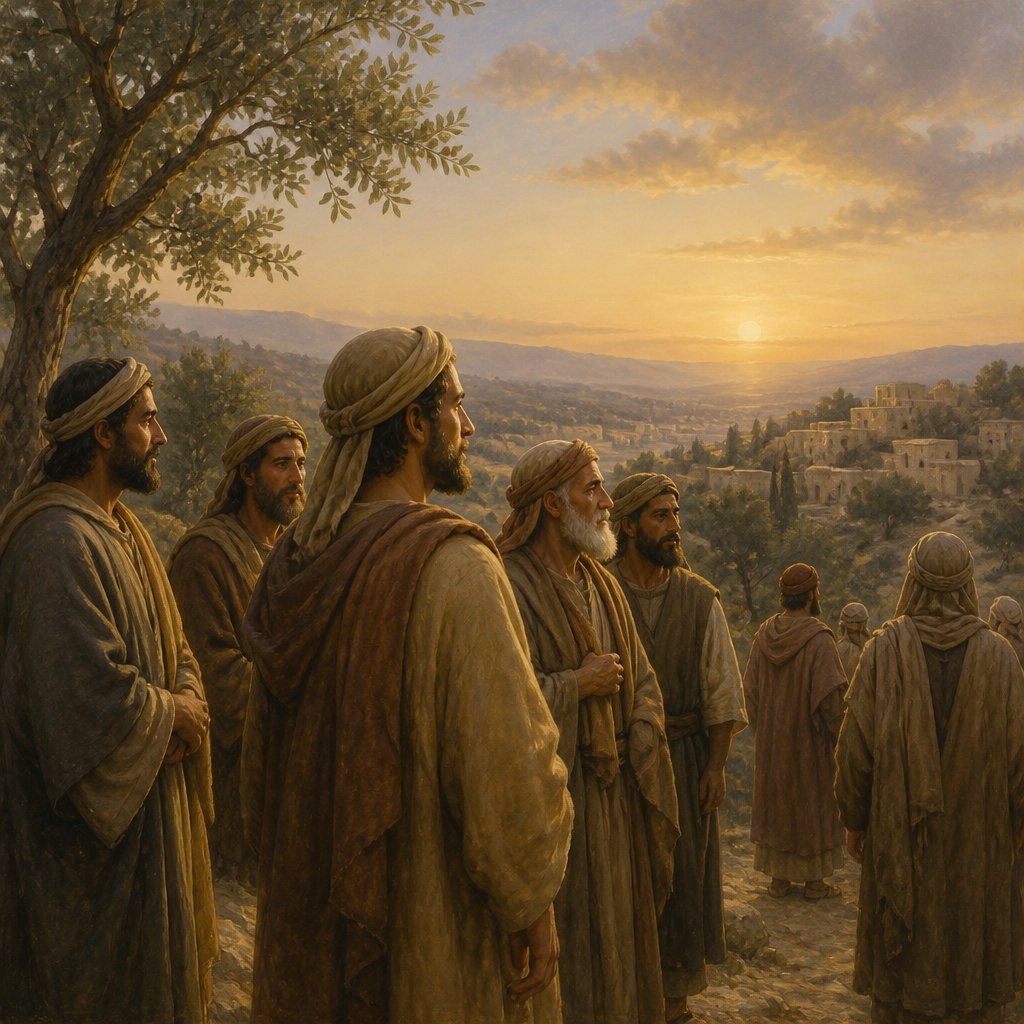
Nehemiah 7:30 (KJV) says, "The men of Ramah and Geba, six hundred twenty and one."
This verse is part of a longer passage in the book of Nehemiah that lists the individuals and families who returned to Jerusalem after the Babylonian exile. These lists are often overlooked in the Bible, but they hold great significance in understanding the history and context of the Jewish people during this time.
The book of Nehemiah is set in the 5th century BC, during the period after the Babylonian exile when the Jewish people were allowed to return to Jerusalem and rebuild their city and temple. Nehemiah, a cupbearer to the Persian king, was given permission to travel to Jerusalem and oversee the reconstruction efforts. The lists in this passage serve as a record of the returned exiles, providing a glimpse into the makeup of the community and the families who played a role in the rebuilding process.
In this particular verse, the mention of the men of Ramah and Geba, numbering six hundred twenty-one, may seem like a simple record of names and numbers. However, when examined in the context of the larger narrative, it serves as a reminder of the faithfulness of the Jewish people to their heritage and homeland. The inclusion of specific towns and the count of individuals demonstrates the meticulous care with which the returning exiles were documented, underscoring the significance of their return to Jerusalem.
The themes of restoration, community, and faithfulness are prominent in this verse. The rebuilding of Jerusalem was not just about physical structures; it was about restoring the identity and faith of the Jewish people. The return of the exiles marked a turning point in their history, and the meticulous recording of their numbers and origins emphasized the unity and determination of the community to reclaim their homeland and heritage.
Furthermore, the verse serves as a symbol of the broader biblical theme of God's faithfulness to His people. The Babylonian exile was a period of trial and hardship for the Jewish people, but their return to Jerusalem represented God's promise of restoration and renewal. The inclusion of seemingly minor details such as the names of towns and the count of individuals underscores the idea that God is intimately involved in the lives of His people, even in the most mundane aspects.
In a broader theological context, this verse and the surrounding passage also invite reflection on the importance of communal identity and the shared history of God's people. The return of the exiles was not just a personal journey for each individual; it was a collective movement that underscored the strength and unity of the Jewish community. This theme of communal identity and shared history is a recurring motif throughout the Bible, emphasizing the interconnectedness of God's people and the importance of standing together in faith.
In conclusion, Nehemiah 7:30 may seem like a simple record of numbers and names, but within the larger narrative of the book of Nehemiah and the biblical narrative as a whole, it holds deep theological and thematic significance. It serves as a reminder of the faithfulness of God to His people, the importance of communal identity and shared history, and the resilience of the Jewish community in reclaiming their homeland. By delving into the historical and theological context of this verse, we gain a richer understanding of the enduring themes and symbols woven throughout the biblical narrative.
Have questions about Nehemiah 7:30?
Dive deeper into this scripture with Bible Chat — an AI-powered tool for exploring God's Word through conversation. Ask questions, get context, and grow in your understanding of the Bible.
Get Our Apps


Nehemiah 7:30 Artwork

Nehemiah 7:30 - "The men of Ramah and Geba, six hundred twenty and one."
"The men of Ramah and Geba, six hundred twenty and one." - Nehemiah 7:30

Nehemiah 12:30 - "And the priests and the Levites purified themselves, and purified the people, and the gates, and the wall."

Nehemiah 7:7 - "Who came with Zerubbabel, Jeshua, Nehemiah, Azariah, Raamiah, Nahamani, Mordecai, Bilshan, Mispereth, Bigvai, Nehum, Baanah. The number, I say, of the men of the people of Israel was this;"
Nehemiah 10:30 - "And that we would not give our daughters unto the people of the land, nor take their daughters for our sons:"

Nehemiah 10:7 - "Meshullam, Abijah, Mijamin,"

Nehemiah 7:42 - "The children of Harim, a thousand and seventeen."

Nehemiah 7:24 - "The children of Hariph, an hundred and twelve."

Nehemiah 7:56 - "The children of Neziah, the children of Hatipha."

Nehemiah 13:30 - "Thus cleansed I them from all strangers, and appointed the wards of the priests and the Levites, every one in his business;"

Nehemiah 7:25 - "The children of Gibeon, ninety and five."

Nehemiah 7:40 - "The children of Immer, a thousand fifty and two."

Nehemiah 7:31 - "The men of Michmas, an hundred and twenty and two."
Nehemiah 11:30 - "Zanoah, Adullam, and in their villages, at Lachish, and the fields thereof, at Azekah, and in the villages thereof. And they dwelt from Beer-sheba unto the valley of Hinnom."

Nehemiah 7:33 - "The men of the other Nebo, fifty and two."

Nehemiah 7:21 - "The children of Ater of Hezekiah, ninety and eight."

Nehemiah 7:28 - "The men of Beth-azmaveth, forty and two."

Nehemiah 7:14 - "The children of Zaccai, seven hundred and threescore."

Nehemiah 7:27 - "The men of Anathoth, an hundred twenty and eight."

Nehemiah 7:35 - "The children of Harim, three hundred and twenty."

Nehemiah 7:16 - "The children of Bebai, six hundred twenty and eight."

Nehemiah 7:58 - "The children of Jaala, the children of Darkon, the children of Giddel,"

Nehemiah 7:9 - "The children of Shephatiah, three hundred seventy and two."

Nehemiah 7:48 - "The children of Lebana, the children of Hagaba, the children of Shalmai,"

Nehemiah 7:19 - "The children of Bigvai, two thousand threescore and seven."

Nehemiah 7:15 - "The children of Binnui, six hundred forty and eight."

Nehemiah 7:44 - "¶ The singers: the children of Asaph, an hundred forty and eight."

Nehemiah 7:18 - "The children of Adonikam, six hundred threescore and seven."

Nehemiah 7:13 - "The children of Zattu, eight hundred forty and five."

Nehemiah 7:49 - "The children of Hanan, the children of Giddel, the children of Gahar,"