What does Nehemiah 7:13 mean?
"The children of Zattu, eight hundred forty and five." - Nehemiah 7:13

The verse Nehemiah 7:13 from the King James Version of the Bible reads:
"The children of Adonikam, six hundred sixty and six."
This verse is a part of the book of Nehemiah, which is a historical account of the Persian Jews who returned to Jerusalem after the Babylonian exile to rebuild the city and its walls. It serves as a record of the genealogy of the Israelites who returned to their homeland and highlights the importance of knowing one's heritage and lineage.
The context of this verse is that Nehemiah, a cupbearer to the Persian king Artaxerxes, had been granted permission by the king to return to Jerusalem and rebuild the city. Upon his arrival, Nehemiah faced opposition and challenges but ultimately succeeded in restoring the walls of Jerusalem. As part of his efforts, Nehemiah also took great care to organize and register the exiles who returned to Judah, which is detailed in chapter 7 of the book.
The specific verse in question lists the children of Adonikam as numbering six hundred sixty and six. This is part of a larger list of families and individuals who returned to Jerusalem under the leadership of Zerubbabel, who was appointed as the governor of Judah by the Persian king. These detailed genealogical records were important for the Israelites as they sought to reestablish themselves in the land of their forefathers and reclaim their identity as God's chosen people.
The number six hundred sixty-six has been historically associated with the concept of the "number of the beast" in the book of Revelation, leading to a significant amount of speculation and interpretation. However, in the context of this verse in Nehemiah, it is simply a record of the specific count of the descendants of Adonikam who returned to Jerusalem. This genealogical record served as a tangible way for the returned exiles to connect with their heritage and identify themselves as part of the chosen people of Israel.
The themes present in this verse and the larger passage include the importance of historical and ancestral identity, the restoration of a homeland, and the faithfulness of God in preserving His people. The meticulous recording of the names and numbers of those who returned to Jerusalem reflects a commitment to preserving the history and lineage of the Israelites, ensuring that their heritage would not be lost or forgotten.
In addition, the passage serves as a reminder of the faithfulness of God in fulfilling His promises to His people. Despite the hardships and challenges faced by the Israelites in exile, God remained faithful to them and provided a way for them to return to their land and rebuild their city. The genealogical records in Nehemiah 7 reinforce the idea that the Israelites were indeed the chosen people of God, with a rich heritage and a divine purpose.
Symbolically, the number six hundred sixty-six in this verse can be seen as representing the completeness and abundance of the descendants of Adonikam who returned to Jerusalem. In a broader sense, it serves as a reminder of the completeness and abundance of God's provision for His people, as demonstrated through the restoration of Jerusalem and the preservation of the Israelite lineage.
In conclusion, Nehemiah 7:13, while seemingly a simple genealogical record, carries with it themes of identity, restoration, and faithfulness. It serves as a tangible reminder of the historical and spiritual significance of the Israelites' return to Jerusalem and their commitment to preserving their heritage. Ultimately, it points to the faithfulness of God in fulfilling His promises to His people and the completeness of His provision for them.
Have questions about Nehemiah 7:13?
Dive deeper into this scripture with Bible Chat — an AI-powered tool for exploring God's Word through conversation. Ask questions, get context, and grow in your understanding of the Bible.
Get Our Apps


Nehemiah 7:13 Artwork

Nehemiah 7:13 - "The children of Zattu, eight hundred forty and five."

"The children of Zattu, eight hundred forty and five." - Nehemiah 7:13

Nehemiah 13:7 - "And I came to Jerusalem, and understood of the evil that Eliashib did for Tobiah, in preparing him a chamber in the courts of the house of God."

Nehemiah 11:13

Nehemiah 7:7 - "Who came with Zerubbabel, Jeshua, Nehemiah, Azariah, Raamiah, Nahamani, Mordecai, Bilshan, Mispereth, Bigvai, Nehum, Baanah. The number, I say, of the men of the people of Israel was this;"

Nehemiah 10:13 - "Hodijah, Bani, Beninu."

Nehemiah 12:13 - "Of Ezra, Meshullam; of Amariah, Jehohanan;"

Nehemiah 10:7 - "Meshullam, Abijah, Mijamin,"
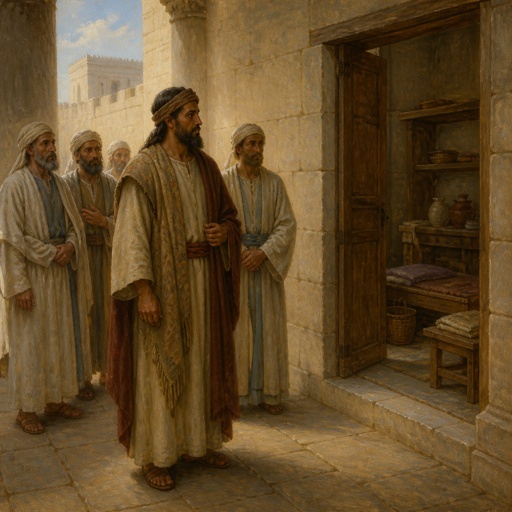
"And I came to Jerusalem, and understood of the evil that Eliashib did for Tobiah, in preparing him a chamber in the courts of the house of God." - Nehemiah 13:7

Nehemiah 7:42 - "The children of Harim, a thousand and seventeen."

Nehemiah 7:24 - "The children of Hariph, an hundred and twelve."

Nehemiah 7:56 - "The children of Neziah, the children of Hatipha."

Nehemiah 7:25 - "The children of Gibeon, ninety and five."

Nehemiah 7:40 - "The children of Immer, a thousand fifty and two."

Nehemiah 7:31 - "The men of Michmas, an hundred and twenty and two."

Nehemiah 7:33 - "The men of the other Nebo, fifty and two."

Nehemiah 7:21 - "The children of Ater of Hezekiah, ninety and eight."

Nehemiah 7:28 - "The men of Beth-azmaveth, forty and two."

Nehemiah 7:14 - "The children of Zaccai, seven hundred and threescore."

Nehemiah 7:27 - "The men of Anathoth, an hundred twenty and eight."

Nehemiah 7:35 - "The children of Harim, three hundred and twenty."

"Hodijah, Bani, Beninu." - Nehemiah 10:13

Nehemiah 7:16 - "The children of Bebai, six hundred twenty and eight."

Nehemiah 7:58 - "The children of Jaala, the children of Darkon, the children of Giddel,"

Nehemiah 7:9 - "The children of Shephatiah, three hundred seventy and two."

Nehemiah 7:48 - "The children of Lebana, the children of Hagaba, the children of Shalmai,"

Nehemiah 7:19 - "The children of Bigvai, two thousand threescore and seven."

Nehemiah 7:15 - "The children of Binnui, six hundred forty and eight."

Nehemiah 7:44 - "¶ The singers: the children of Asaph, an hundred forty and eight."

Nehemiah 7:18 - "The children of Adonikam, six hundred threescore and seven."