What does Nehemiah 7:12 mean?
"The children of Elam, a thousand two hundred fifty and four." - Nehemiah 7:12
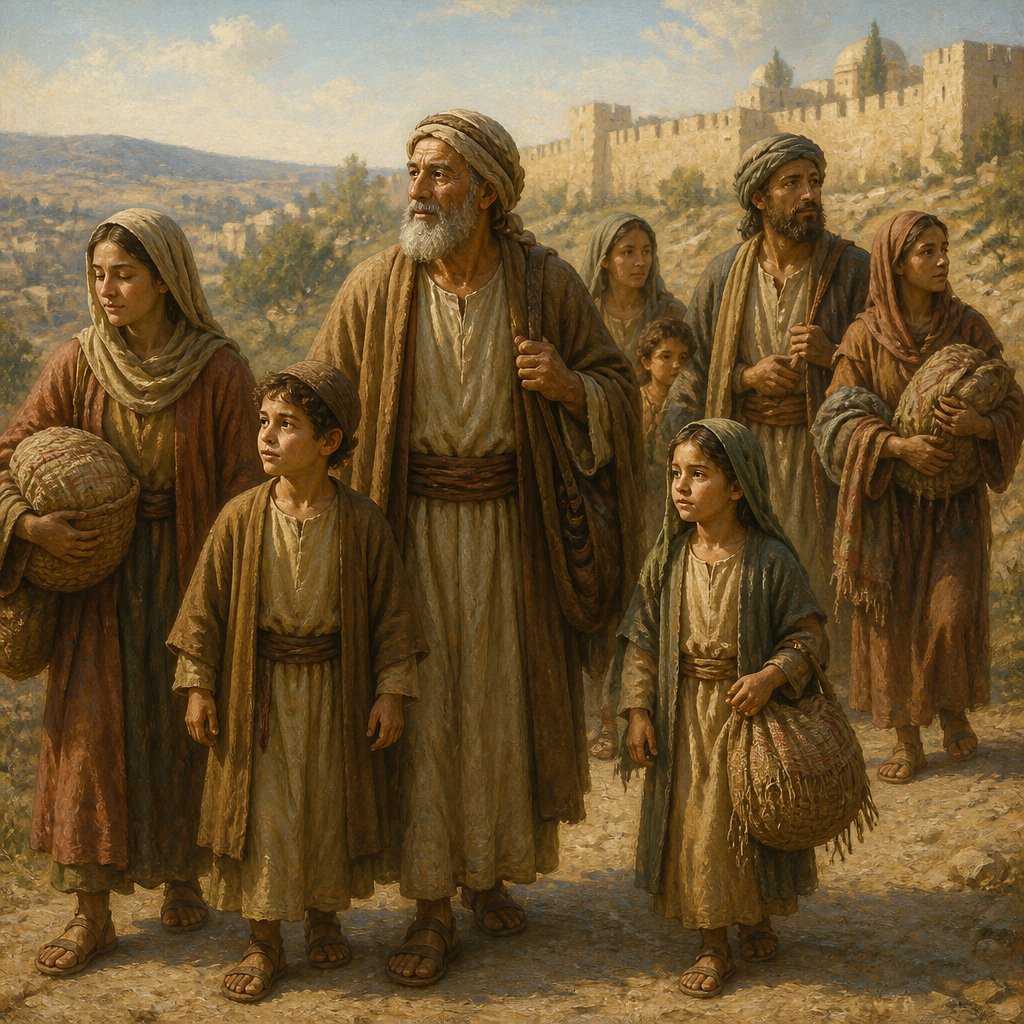
Nehemiah 7:12 (KJV) says: "And these are the priests and the Levites that went up with Zerubbabel the son of Shealtiel, and Jeshua: Seraiah, Jeremiah, Ezra,"
Nehemiah 7:12 is a verse from the Old Testament, specifically from the book of Nehemiah. The book of Nehemiah is set in the historical context of the Israelites returning from exile in Babylon to rebuild the city of Jerusalem. The verse specifically lists the priests and Levites who went up with Zerubbabel, the son of Shealtiel, and Jeshua. It mentions Seraiah, Jeremiah, and Ezra.
The book of Nehemiah focuses on the theme of restoration and rebuilding. The city of Jerusalem lay in ruins, and the people of Israel were experiencing great hardships. Nehemiah, a cupbearer to the king of Persia, received a burden from God to rebuild the walls of Jerusalem. He led a group of exiles back to Jerusalem to undertake this monumental task. The book of Nehemiah recounts the opposition they faced, the challenges they overcame, and the faithfulness of God in helping them rebuild.
In Nehemiah 7:12, the mention of the priests and Levites is significant in the context of the book. The priests and Levites were crucial for the spiritual life and worship of the people of Israel. They played a central role in the sacrificial system and the maintaining of religious practices. Their presence in the rebuilding of Jerusalem signified the importance of spiritual renewal and revival alongside the physical reconstruction of the city.
Zerubbabel and Jeshua were key figures in the post-exilic community. Zerubbabel, a descendant of King David, was appointed as the governor of Judah by the Persian king. Jeshua was the high priest. These two leaders worked together to oversee the rebuilding efforts and to lead the people in the restoration of worship and religious practices.
The mention of Seraiah, Jeremiah, and Ezra in Nehemiah 7:12 highlights the continuity of leadership and the importance of the priestly and Levitical lineages in Israel. These men were not only leaders but also faithful servants of God who were committed to the restoration of their nation.
The verse serves as a reminder of the faithfulness of God in preserving the lineages of the priests and Levites despite the exile and the challenges faced by the people of Israel. It also emphasizes the significance of leadership and the priesthood in the process of rebuilding and restoration. The mention of these individuals is a testament to God's faithfulness in maintaining the continuity of His people and their religious practices.
Symbolically, the rebuilding of Jerusalem in the book of Nehemiah can be seen as a metaphor for the restoration of the spiritual life of the people of Israel. The physical rebuilding of the city mirrored the rebuilding of their faith and relationship with God. The inclusion of the priests and Levites in the verse underscores the spiritual aspect of the restoration alongside the physical reconstruction.
In conclusion, Nehemiah 7:12 provides a glimpse into the leadership and spiritual significance of the priests and Levites in the context of the post-exilic community. The verse highlights the importance of spiritual renewal and the preservation of religious practices in the process of rebuilding. It serves as a reminder of God's faithfulness and the continuity of His people despite the trials and hardships they faced. The verse also points to the symbolic significance of the rebuilding of Jerusalem as a metaphor for the restoration of the spiritual life of the people of Israel.
Have questions about Nehemiah 7:12?
Dive deeper into this scripture with Bible Chat — an AI-powered tool for exploring God's Word through conversation. Ask questions, get context, and grow in your understanding of the Bible.
Get Our Apps


Nehemiah 7:12 Artwork

Nehemiah 7:12 - "The children of Elam, a thousand two hundred fifty and four."
"The children of Elam, a thousand two hundred fifty and four." - Nehemiah 7:12

Nehemiah 12:7 - "Sallu, Amok, Hilkiah, Jedaiah. These were the chief of the priests and of their brethren in the days of Jeshua."
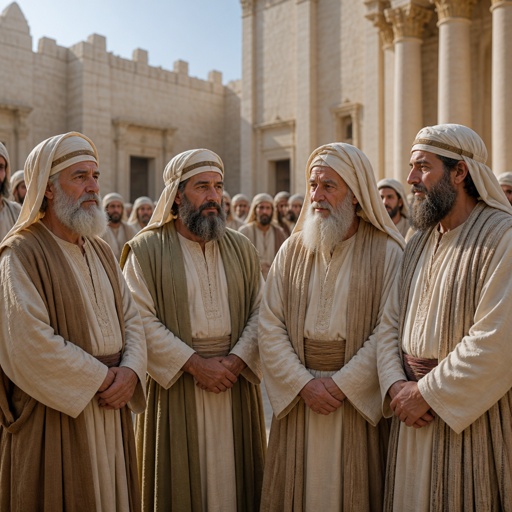
"Sallu, Amok, Hilkiah, Jedaiah. These were the chief of the priests and of their brethren in the days of Jeshua." - Nehemiah 12:7

Nehemiah 7:7 - "Who came with Zerubbabel, Jeshua, Nehemiah, Azariah, Raamiah, Nahamani, Mordecai, Bilshan, Mispereth, Bigvai, Nehum, Baanah. The number, I say, of the men of the people of Israel was this;"

Nehemiah 12:26 - "These were in the days of Joiakim the son of Jeshua, the son of Jozadak, and in the days of Nehemiah the governor, and of Ezra the priest, the scribe."

Nehemiah 12:5 - "Miamin, Maadiah, Bilgah,"

Nehemiah 12:33 - "And Azariah, Ezra, and Meshullam,"

Nehemiah 12:4 - "Iddo, Ginnetho, Abijah,"

Nehemiah 12:2 - "Amariah, Malluch, Hattush,"

Nehemiah 12:3 - "Shechaniah, Rehum, Meremoth,"

Nehemiah 10:12 - "Zaccur, Sherebiah, Shebaniah,"

Nehemiah 12:6 - "Shemaiah, and Joiarib, Jedaiah,"

Nehemiah 12:12 - "And in the days of Joiakim were priests, the chief of the fathers: of Seraiah, Meraiah; of Jeremiah, Hananiah;"

Nehemiah 12:13 - "Of Ezra, Meshullam; of Amariah, Jehohanan;"

Nehemiah 12:16 - "Of Iddo, Zechariah; of Ginnethon, Meshullam;"

Nehemiah 12:20 - "Of Sallai, Kallai; of Amok, Eber;"

Nehemiah 12:19 - "And of Joiarib, Mattenai; of Jedaiah, Uzzi;"

Nehemiah 12:34 - "Judah, and Benjamin, and Shemaiah, and Jeremiah,"

Nehemiah 12:15 - "Of Harim, Adna; of Meraioth, Helkai;"

Nehemiah 12:18 - "Of Bilgah, Shammua; of Shemaiah, Jehonathan;"

Nehemiah 12:21 - "Of Hilkiah, Hashabiah; of Jedaiah, Nethaneel."

Nehemiah 12:14 - "Of Melicu, Jonathan; of Shebaniah, Joseph;"

Nehemiah 10:7 - "Meshullam, Abijah, Mijamin,"

Nehemiah 12:17 - "Of Abijah, Zichri; of Miniamin, of Moadiah, Piltai;"

Nehemiah 7:42 - "The children of Harim, a thousand and seventeen."

Nehemiah 7:24 - "The children of Hariph, an hundred and twelve."

Nehemiah 7:56 - "The children of Neziah, the children of Hatipha."

Nehemiah 7:25 - "The children of Gibeon, ninety and five."

Nehemiah 12:11 - "And Joiada begat Jonathan, and Jonathan begat Jaddua."