What does Nehemiah 5:8 mean?
"And I said unto them, We after our ability have redeemed our brethren the Jews, which were sold unto the heathen; and will ye even sell your brethren? or shall they be sold unto us? Then held they their peace, and found nothing to answer." - Nehemiah 5:8
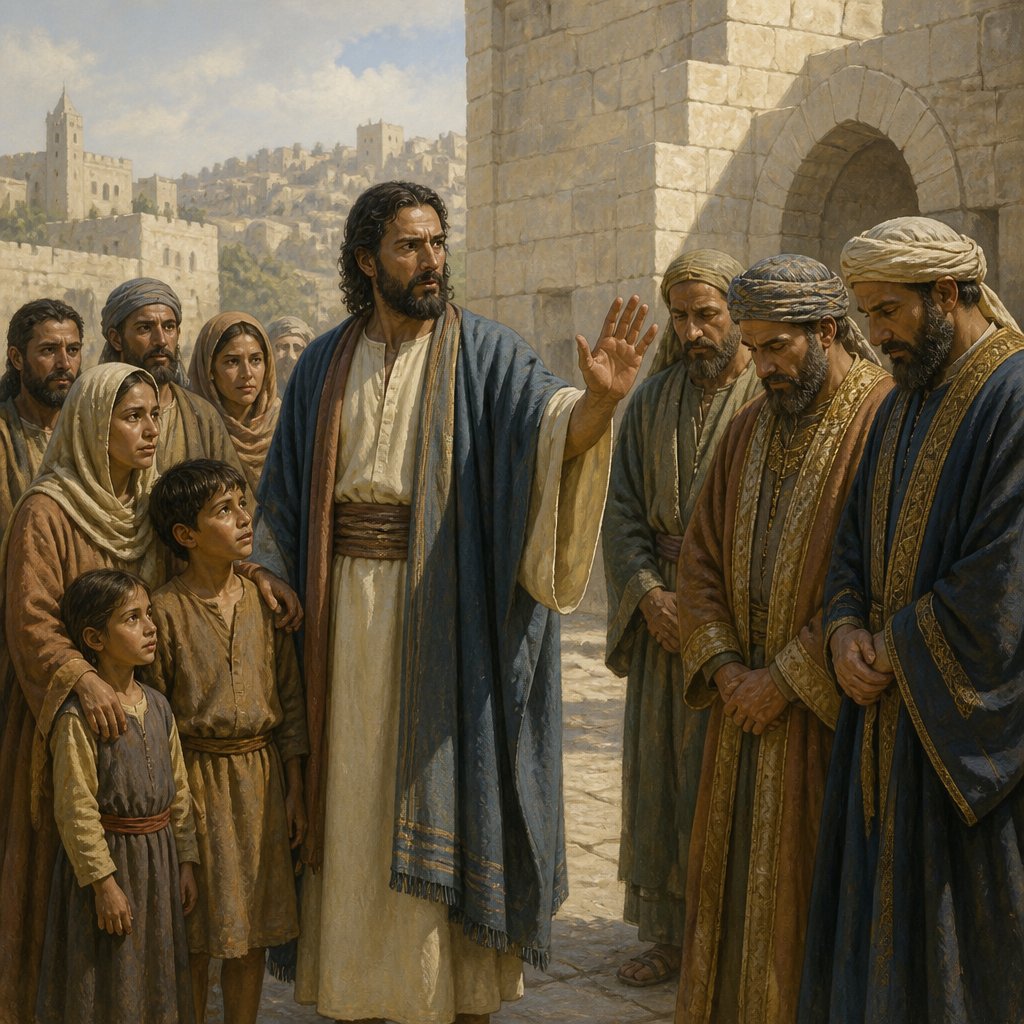
Nehemiah 5:8 (KJV) reads, "And I said unto them, We after our ability have redeemed our brethren the Jews, which were sold unto the heathen; and will ye even sell your brethren? or shall they be sold unto us? Then held they their peace, and found nothing to answer."
Nehemiah 5:8 is a powerful verse that showcases the leadership, compassion, and righteousness of Nehemiah as he addresses the issue of oppression and exploitation within the Jewish community. This verse takes place during the time when Nehemiah, a cupbearer to the King of Persia, is appointed as the governor of Judah and is tasked with overseeing the rebuilding of the walls of Jerusalem. However, he faces opposition and internal conflict as he works to restore the city and its people.
In this particular verse, Nehemiah confronts the Jewish nobles and officials who have been exploiting their own people by charging them high interest rates on loans and taking their lands as collateral. Nehemiah rebukes them for their lack of compassion and the injustice they were inflicting upon their own brethren. He reminds them that the Israelites had previously been sold as slaves to the surrounding nations, and now they were continuing the cycle of exploitation by selling their own people into slavery.
One of the prominent themes of Nehemiah 5:8 is social justice and the responsibility of those in leadership to care for and protect the vulnerable and oppressed within their community. Nehemiah's words reflect the biblical principles of compassion, fairness, and the inherent value of every individual. He reminds the wealthy and powerful of their duty to uphold the dignity and rights of their fellow Jews, rather than exploiting them for personal gain.
Nehemiah's actions and words also illustrate the importance of standing against injustice and corruption, even when it comes from within the community or those in positions of authority. His boldness in confronting the nobles and officials sets an example for holding individuals accountable for their actions, regardless of their status.
The context of this verse is important to understand its significance. Nehemiah's mission to restore Jerusalem goes beyond physical rebuilding; it also encompasses the restoration of the spiritual and social well-being of the Jewish people. The exploitation of the poor and vulnerable by the wealthy and powerful not only undermined the unity and stability of the community but also contradicted the law and principles of God.
Nehemiah's strong leadership and commitment to righteousness in the face of opposition reflect his unwavering faith in God and his determination to bring about positive change for his people. His words carry the force of moral authority, and his integrity and compassion inspire others to do what is right.
Symbolically, Nehemiah 5:8 represents a call to action for individuals to stand up for the marginalized and oppressed in society. It serves as a reminder of the importance of seeking justice and mercy, upholding the dignity of every human being, and holding those in authority accountable for their actions. It also highlights the need for leaders to prioritize the well-being and equality of their community, rather than pursuing their own self-interests.
In conclusion, Nehemiah 5:8 is a powerful and timeless verse that holds relevance and significance in today's world. It challenges us to examine our own attitudes and actions towards those who are vulnerable and marginalized, and to advocate for justice and compassion within our communities. It reminds us of the importance of standing against oppression and exploitation, and the responsibility of leaders to uphold the principles of fairness, mercy, and righteousness. Nehemiah's example continues to inspire and guide us in our efforts to create a more just and equitable society.
Have questions about Nehemiah 5:8?
Dive deeper into this scripture with Bible Chat — an AI-powered tool for exploring God's Word through conversation. Ask questions, get context, and grow in your understanding of the Bible.
Get Our Apps


Nehemiah 5:8 Artwork

Nehemiah 5:8 - "And I said unto them, We after our ability have redeemed our brethren the Jews, which were sold unto the heathen; and will ye even sell your brethren? or shall they be sold unto us? Then held they their peace, and found nothing to answer."
"And I said unto them, We after our ability have redeemed our brethren the Jews, which were sold unto the heathen; and will ye even sell your brethren? or shall they be sold unto us? Then held they their peace, and found nothing to answer." - Nehemiah 5:8

Nehemiah 8:5 - "And Ezra opened the book in the sight of all the people; (for he was above all the people;) and when he opened it, all the people stood up:"

Nehemiah 8:10

Nehemiah 8:10

Nehemiah 8:10

Nehemiah 10:5 - "Harim, Meremoth, Obadiah,"

Nehemiah 12:5 - "Miamin, Maadiah, Bilgah,"

Nehemiah 8:8 - "So they read in the book in the law of God distinctly, and gave the sense, and caused them to understand the reading."

Nehemiah 10:8 - "Maaziah, Bilgai, Shemaiah: these were the priests."

Nehemiah 7:8 - "The children of Parosh, two thousand an hundred seventy and two."

Nehemiah 5:1 - "And there was a great cry of the people and of their wives against their brethren the Jews."

"Harim, Meremoth, Obadiah," - Nehemiah 10:5

"Miamin, Maadiah, Bilgah," - Nehemiah 12:5

Nehemiah 11:8 - "And after him Gabbai, Sallai, nine hundred twenty and eight."

Nehemiah 5:6 - "¶ And I was very angry when I heard their cry and these words."

Nehemiah 4:8 - "And conspired all of them together to come and to fight against Jerusalem, and to hinder it."
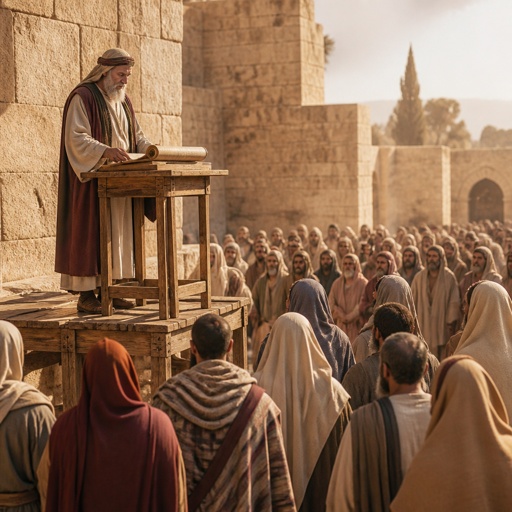
"And Ezra opened the book in the sight of all the people; (for he was above all the people;) and when he opened it, all the people stood up:" - Nehemiah 8:5

Nehemiah 3:5 - "And next unto them the Tekoites repaired; but their nobles put not their necks to the work of their Lord."
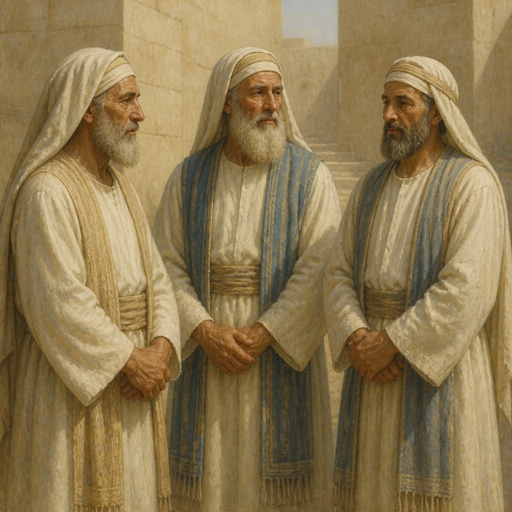
"Maaziah, Bilgai, Shemaiah: these were the priests." - Nehemiah 10:8

Nehemiah 8:9 - "¶ And Nehemiah, which is the Tirshatha, and Ezra the priest the scribe, and the Levites that taught the people, said unto all the people, This day is holy unto the LORD your God; mourn not, nor weep. For all the people wept, when they heard the words of the law."

Nehemiah 5:19 - "Think upon me, my God, for good, according to all that I have done for this people."

Nehemiah 13:8 - "And it grieved me sore: therefore I cast forth all the household stuff of Tobiah out of the chamber."

Nehemiah 5:4 - "There were also that said, We have borrowed money for the king's tribute, and that upon our lands and vineyards."

Nehemiah 12:8 - "Moreover the Levites: Jeshua, Binnui, Kadmiel, Sherebiah, Judah, and Mattaniah, which was over the thanksgiving, he and his brethren."

Nehemiah 8:11 - "So the Levites stilled all the people, saying, Hold your peace, for the day is holy; neither be ye grieved."

Nehemiah 6:5 - "Then sent Sanballat his servant unto me in like manner the fifth time with an open letter in his hand;"

Nehemiah 8:14 - "And they found written in the law which the LORD had commanded by Moses, that the children of Israel should dwell in booths in the feast of the seventh month:"

Nehemiah 4:5 - "And cover not their iniquity, and let not their sin be blotted out from before thee: for they have provoked thee to anger before the builders."
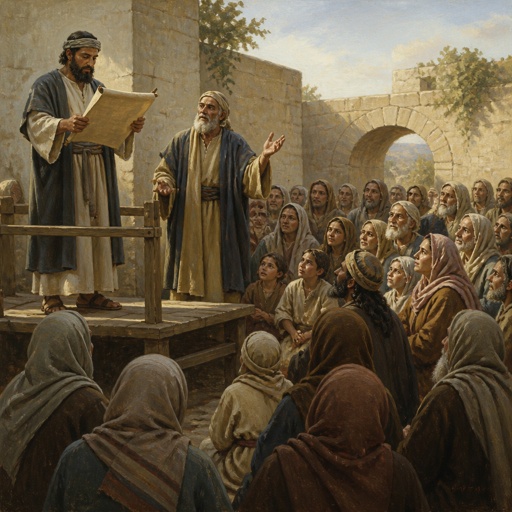
"So they read in the book in the law of God distinctly, and gave the sense, and caused them to understand the reading." - Nehemiah 8:8