What does Nehemiah 5:2 mean?
"For there were that said, We, our sons, and our daughters, are many: therefore we take up corn for them, that we may eat, and live." - Nehemiah 5:2
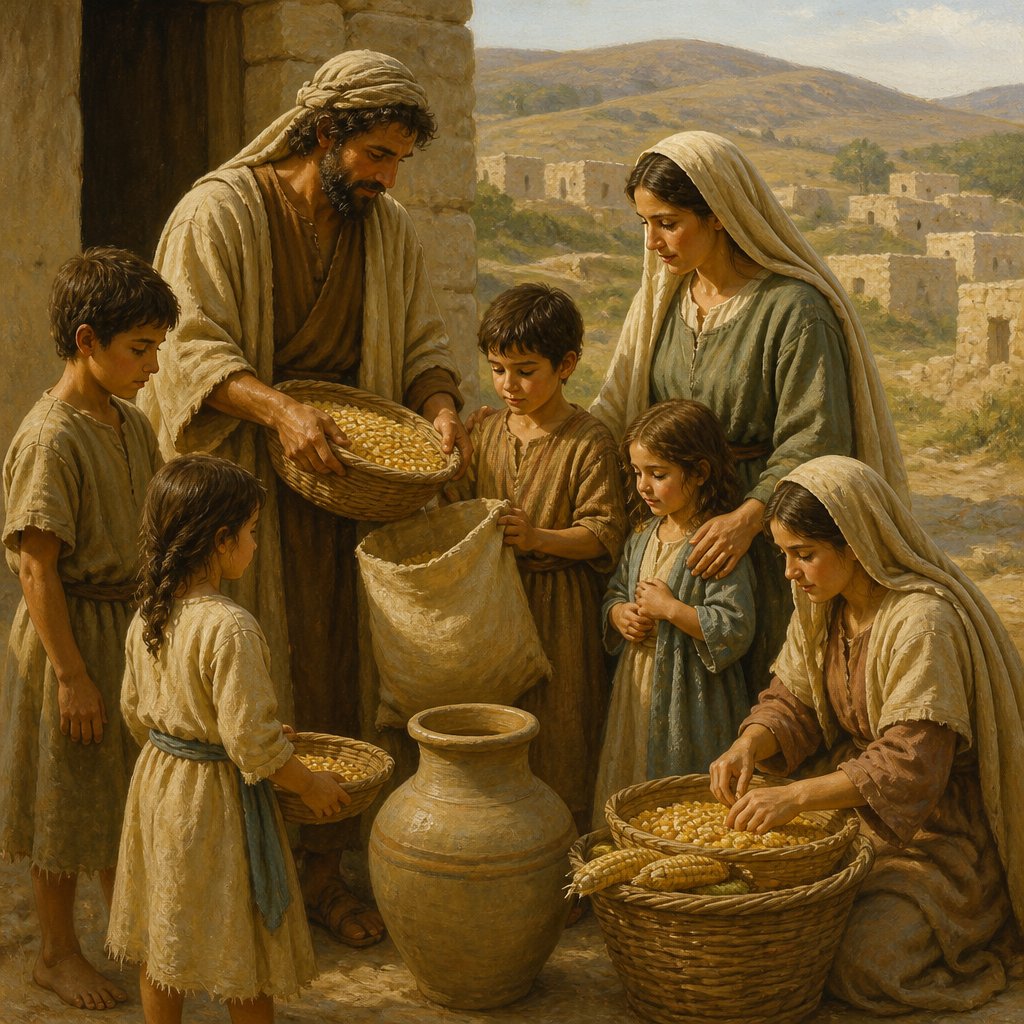
The verse Nehemiah 5:2 in the King James Version of the Bible reads, "For there were that said, We, our sons, and our daughters, are many: therefore we take up corn for them, that we may eat, and live." This verse is a part of the Book of Nehemiah, which is a historical account of the restoration of Jerusalem after the Babylonian exile.
To fully understand the meaning and significance of Nehemiah 5:2, it is important to consider the context in which it is situated. The Book of Nehemiah is set during the time when the Israelites, particularly those from the tribe of Judah, had returned to Jerusalem to rebuild the city after the Babylonian captivity. Nehemiah, a high official in the court of King Artaxerxes I of Persia, is appointed as the governor of Judah and is tasked with overseeing the reconstruction of the city walls and the spiritual revival of the people.
In Nehemiah 5:2, we see a troubling situation arising among the people of Judah. Some of the Israelites were facing a severe economic hardship, and as a result, they had to borrow money in order to buy food for their families. This verse reflects the dire circumstances in which the returned exiles found themselves. The high cost of living, combined with the heavy taxation imposed by the Persian authorities, had pushed many of them into poverty and debt.
The themes present in Nehemiah 5:2 include the plight of the poor and the oppressed, the responsibilities of the wealthy towards their less fortunate brethren, and the need for justice and compassion in a community. The verse highlights the social and economic inequalities that existed among the people of Judah at that time, and it raises important ethical and moral questions about how the wealthy and powerful should treat those who are less privileged.
The situation described in Nehemiah 5:2 also serves as a reminder of the importance of caring for the vulnerable members of society. It underscores the biblical principles of justice, mercy, and compassion, and it challenges believers to consider how they can actively work towards addressing the needs of the poor and marginalized in their own communities.
Furthermore, Nehemiah 5:2 also serves as a call to action for those in positions of authority and influence. It calls for leadership that is characterized by integrity, fairness, and a genuine concern for the welfare of the people under their care. Nehemiah's response to this crisis, as recorded in the subsequent verses, demonstrates his commitment to justice and his determination to address the root causes of the economic hardship facing his fellow Israelites.
Symbolically, Nehemiah 5:2 can be seen as a reflection of the broader biblical narrative of God's concern for the oppressed and His desire for justice and righteousness in the world. It echoes the teachings of the prophets, who repeatedly denounced the mistreatment of the poor and called for a society characterized by equity and fairness.
In conclusion, Nehemiah 5:2 is a powerful verse that sheds light on the economic challenges faced by the people of Judah during the period of the restoration of Jerusalem. It serves as a reminder of the biblical values of compassion, justice, and integrity, and it challenges believers to consider how they can actively work towards addressing the needs of the poor and marginalized in their own communities. The verse also underscores the importance of exemplary leadership and the responsibility of those in positions of authority to promote justice and fairness.
Have questions about Nehemiah 5:2?
Dive deeper into this scripture with Bible Chat — an AI-powered tool for exploring God's Word through conversation. Ask questions, get context, and grow in your understanding of the Bible.
Get Our Apps


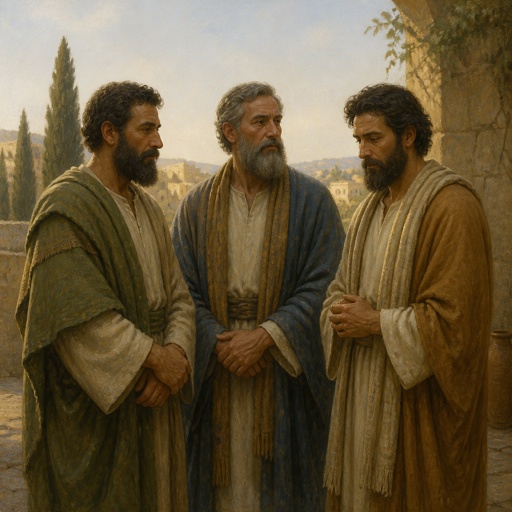
Nehemiah 5:2 Artwork

Nehemiah 5:2 - "For there were that said, We, our sons, and our daughters, are many: therefore we take up corn for them, that we may eat, and live."
"For there were that said, We, our sons, and our daughters, are many: therefore we take up corn for them, that we may eat, and live." - Nehemiah 5:2

Nehemiah 10:5 - "Harim, Meremoth, Obadiah,"

Nehemiah 12:5 - "Miamin, Maadiah, Bilgah,"

Nehemiah 5:1 - "And there was a great cry of the people and of their wives against their brethren the Jews."

Nehemiah 2:5 - "And I said unto the king, If it please the king, and if thy servant have found favour in thy sight, that thou wouldest send me unto Judah, unto the city of my fathers' sepulchres, that I may build it."

"Harim, Meremoth, Obadiah," - Nehemiah 10:5

"Miamin, Maadiah, Bilgah," - Nehemiah 12:5

Nehemiah 5:6 - "¶ And I was very angry when I heard their cry and these words."

Nehemiah 3:5 - "And next unto them the Tekoites repaired; but their nobles put not their necks to the work of their Lord."

Nehemiah 12:2 - "Amariah, Malluch, Hattush,"
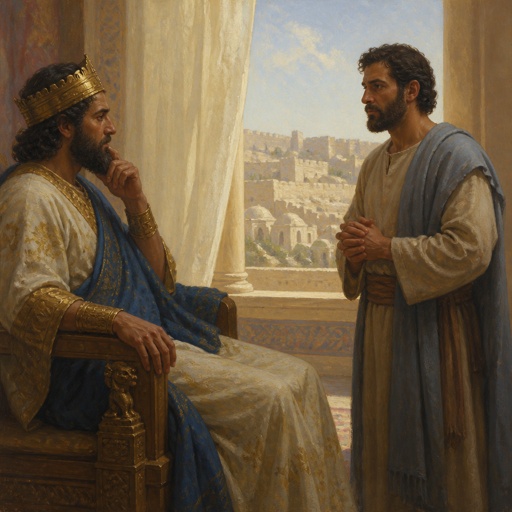
"And I said unto the king, If it please the king, and if thy servant have found favour in thy sight, that thou wouldest send me unto Judah, unto the city of my fathers' sepulchres, that I may build it." - Nehemiah 2:5

Nehemiah 10:2 - "Seraiah, Azariah, Jeremiah,"

Nehemiah 5:19 - "Think upon me, my God, for good, according to all that I have done for this people."

Nehemiah 5:4 - "There were also that said, We have borrowed money for the king's tribute, and that upon our lands and vineyards."

Nehemiah 6:5 - "Then sent Sanballat his servant unto me in like manner the fifth time with an open letter in his hand;"

Nehemiah 2:11 - "So I came to Jerusalem, and was there three days."

Nehemiah 4:5 - "And cover not their iniquity, and let not their sin be blotted out from before thee: for they have provoked thee to anger before the builders."

Nehemiah 11:5 - "And Maaseiah the son of Baruch, the son of Col-hozeh, the son of Hazaiah, the son of Adaiah, the son of Joiarib, the son of Zechariah, the son of Shiloni."

"And there was a great cry of the people and of their wives against their brethren the Jews." - Nehemiah 5:1
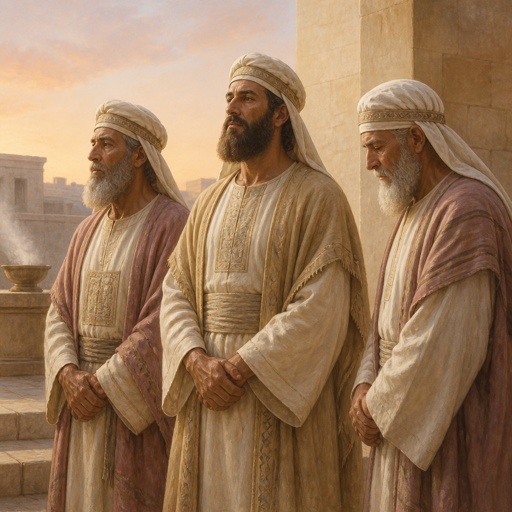
"Amariah, Malluch, Hattush," - Nehemiah 12:2
"Seraiah, Azariah, Jeremiah," - Nehemiah 10:2

A biblical scene from Nehemiah 1:5-11 - Nehemiah, a Caucasian male in middle-eastern garb, is depicted respectfully requesting time from the king, a Middle-Eastern male seated at the dinner table while Nehemiah is serving his drink. He is asking for the opportunity to return to Judah and help his people build a wall. The setting is a grand royal court marked by golden hues, opulent textiles, and architecturally rich columns.

Nehemiah 5:3 - "Some also there were that said, We have mortgaged our lands, vineyards, and houses, that we might buy corn, because of the dearth."

Nehemiah 5:9 - "Also I said, It is not good that ye do: ought ye not to walk in the fear of our God because of the reproach of the heathen our enemies?"

Nehemiah 8:5 - "And Ezra opened the book in the sight of all the people; (for he was above all the people;) and when he opened it, all the people stood up:"

A biblical scene from Nehemiah 1:5-11 - Nehemiah, a Caucasian male in middle-eastern garb, is depicted respectfully requesting time from the king, a Middle-Eastern male seated on a throne. He is asking for the opportunity to return to Judah and help his people build a wall. The setting is a grand royal court marked by golden hues, opulent textiles, and architecturally rich columns. Nehemiah is the king's servant.

Nehemiah 11:2 - "And the people blessed all the men, that willingly offered themselves to dwell at Jerusalem."

Nehemiah 5:17 - "Moreover there were at my table an hundred and fifty of the Jews and rulers, beside those that came unto us from among the heathen that are about us."

A biblical scene from Nehemiah 1:5-11 - Nehemiah, a Caucasian male in middle-eastern garb, is depicted respectfully requesting time from the king, a Middle-Eastern male seated at the dinner table while Nehemiah is serving his drink. He is asking for the opportunity to return to Judah and help his people build a wall. The setting is a grand royal court marked by golden hues, opulent textiles, and architecturally rich columns.