What does Nehemiah 3:17 mean?
"After him repaired the Levites, Rehum the son of Bani. Next unto him repaired Hashabiah, the ruler of the half part of Keilah, in his part." - Nehemiah 3:17
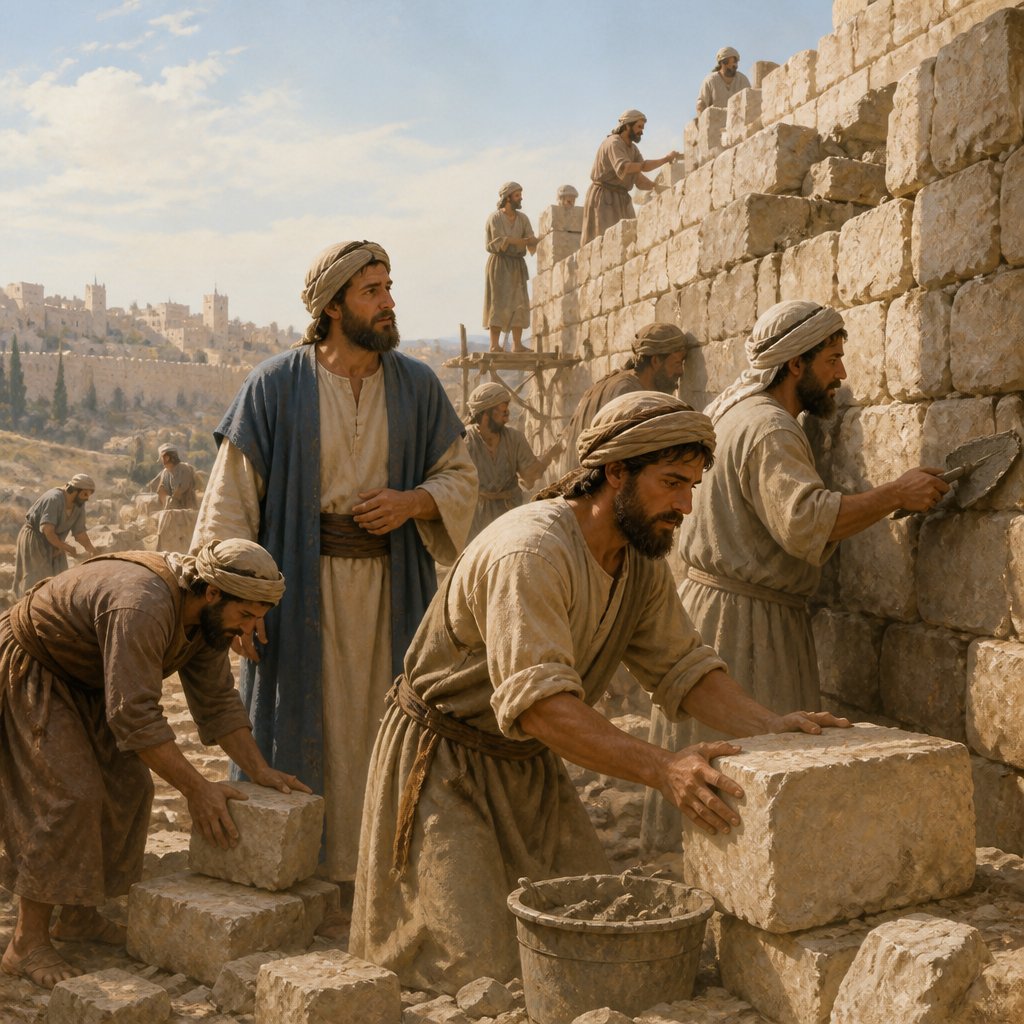
Nehemiah 3:17 in the King James Version of the Bible reads, "After him repaired the Levites, Rehum the son of Bani. Next unto him repaired Hashabiah, the ruler of the half part of Keilah, in his part." This verse is part of the larger narrative of the rebuilding of the walls of Jerusalem during the time of Nehemiah.
The book of Nehemiah is a historical account of the rebuilding of the walls of Jerusalem, which had been destroyed by the Babylonians. Nehemiah, a high official in the court of King Artaxerxes of Persia, felt a burden for his people and prayed to God for the opportunity to help them. He received permission from the king to return to Jerusalem and oversee the rebuilding of the walls.
In Nehemiah 3, we find a detailed account of the various individuals and groups who were involved in the reconstruction effort. Each person or group took responsibility for repairing a specific section of the wall, and their efforts are recorded in great detail. This chapter provides a glimpse into the unity, organization, and dedication of the people who worked together to achieve a common goal.
In verse 17, we encounter the Levites, who were responsible for the religious and ceremonial duties in ancient Israel. It is notable that even the Levites, who were primarily focused on spiritual matters, were actively involved in the physical labor of building the walls. This demonstrates the inclusiveness and collaboration that characterized the rebuilding project. It also underscores the importance of every individual contributing their skills and resources to the communal effort.
One of the prominent themes in this verse is the idea of communal effort and mutual support. The fact that one person or group repaired the section of the wall next to another person or group signifies the spirit of cooperation and unity that permeated the entire project. Each party took ownership of their assigned portion and worked diligently to restore it. This spirit of togetherness and shared responsibility is emblematic of the broader message of solidarity and teamwork that is emphasized throughout the book of Nehemiah.
The specific mention of Rehum the son of Bani and Hashabiah, the ruler of the half part of Keilah, underscores the individual contributions of these leaders in the reconstruction efforts. Their willingness to take on the responsibility of repairing specific portions of the wall exemplifies their commitment to the well-being and security of their community. Their actions demonstrate the principle of servant leadership, as they put the needs of the people above their own and led by example.
Furthermore, the mention of Keilah in this verse is significant. Keilah was a city in the tribe of Judah, and its inclusion here serves as a reminder of the interconnectedness of the various regions and tribes of Israel. The rebuilding of the walls was a collective endeavor that transcended individual territories and affiliations. It symbolizes the restoration of unity and strength within the nation of Israel.
Symbolically, the rebuilding of the walls of Jerusalem represents the restoration of security, protection, and identity for the people of Israel. The broken and vulnerable state of the walls mirrored the vulnerability and disarray of the community. By actively engaging in the reconstruction, the people took a stand for the preservation of their heritage and the safety of their families. The physical act of rebuilding the walls was a tangible expression of their commitment to the well-being of Jerusalem and its inhabitants.
In conclusion, Nehemiah 3:17 captures the spirit of collaboration, leadership, and dedication that characterized the efforts to rebuild the walls of Jerusalem. It serves as a powerful reminder of the importance of working together for the common good, the value of individual contributions, and the significance of preserving and protecting the community. The verse also carries broader implications about unity, solidarity, and the restoration of spiritual and national identity. As such, it continues to inspire and resonate with readers as a timeless testament to the strength of collective action and shared purpose.
Have questions about Nehemiah 3:17?
Dive deeper into this scripture with Bible Chat — an AI-powered tool for exploring God's Word through conversation. Ask questions, get context, and grow in your understanding of the Bible.
Get Our Apps


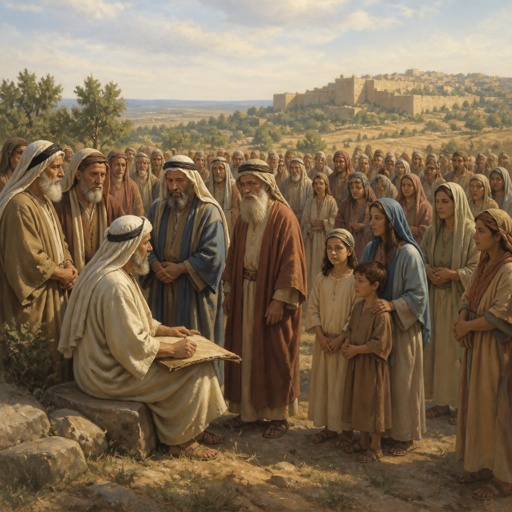
Nehemiah 3:17 Artwork

Nehemiah 3:17 - "After him repaired the Levites, Rehum the son of Bani. Next unto him repaired Hashabiah, the ruler of the half part of Keilah, in his part."
"After him repaired the Levites, Rehum the son of Bani. Next unto him repaired Hashabiah, the ruler of the half part of Keilah, in his part." - Nehemiah 3:17

Nehemiah 10:17 - "Ater, Hizkijah, Azzur,"

Nehemiah 12:17 - "Of Abijah, Zichri; of Miniamin, of Moadiah, Piltai;"
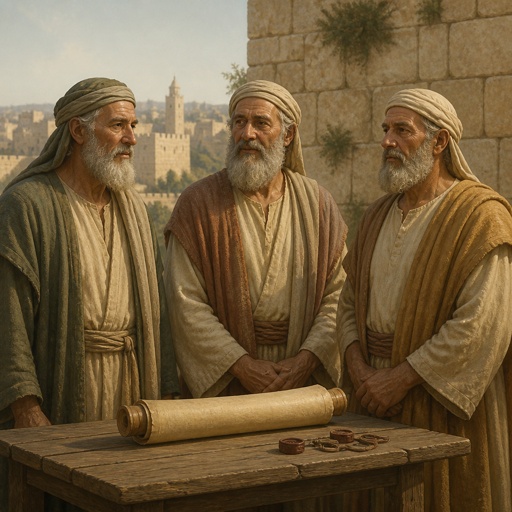
"Ater, Hizkijah, Azzur," - Nehemiah 10:17

Nehemiah 7:17 - "The children of Azgad, two thousand three hundred twenty and two."

Nehemiah 12:3 - "Shechaniah, Rehum, Meremoth,"

Nehemiah 10:3 - "Pashur, Amariah, Malchijah,"

Nehemiah 4:17 – "Those who carried materials did their work with one hand and held a weapon in the other."

Nehemiah 4:17 – "Those who carried materials did their work with one hand and held a weapon in the other."

Nehemiah 3:22 - "And after him repaired the priests, the men of the plain."
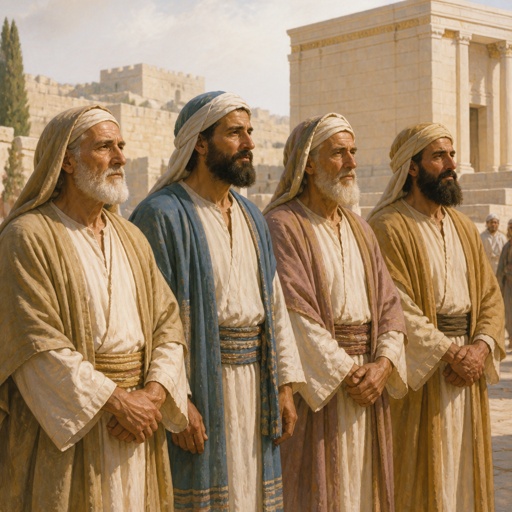
"Of Abijah, Zichri; of Miniamin, of Moadiah, Piltai;" - Nehemiah 12:17

Nehemiah 3:16 - "After him repaired Nehemiah the son of Azbuk, the ruler of the half part of Beth-zur, unto the place over against the sepulchres of David, and to the pool that was made, and unto the house of the mighty."

"Pashur, Amariah, Malchijah," - Nehemiah 10:3

"Shechaniah, Rehum, Meremoth," - Nehemiah 12:3

Nehemiah 13:17 - "Then I contended with the nobles of Judah, and said unto them, What evil thing is this that ye do, and profane the sabbath day?"

Nehemiah 4:17 – "Those who carried materials did their work with one hand and held a weapon in the other."

Nehemiah 6:17 - "¶ Moreover in those days the nobles of Judah sent many letters unto Tobiah, and the letters of Tobiah came unto them."

Nehemiah 3:32 - "And between the going up of the corner unto the sheep gate repaired the goldsmiths and the merchants."

Nehemiah 3:5 - "And next unto them the Tekoites repaired; but their nobles put not their necks to the work of their Lord."

Nehemiah 3:3 - "But the fish gate did the sons of Hassenaah build, who also laid the beams thereof, and set up the doors thereof, the locks thereof, and the bars thereof."

Nehemiah 5:17 - "Moreover there were at my table an hundred and fifty of the Jews and rulers, beside those that came unto us from among the heathen that are about us."

Nehemiah 4:17 - "They which builded on the wall, and they that bare burdens, with those that laded, every one with one of his hands wrought in the work, and with the other hand held a weapon."

Nehemiah 3:9 - "And next unto them repaired Rephaiah the son of Hur, the ruler of the half part of Jerusalem."

Nehemiah 3:18 - "After him repaired their brethren, Bavai the son of Henadad, the ruler of the half part of Keilah."
"The children of Azgad, two thousand three hundred twenty and two." - Nehemiah 7:17

Nehemiah 3:11 - "Malchijah the son of Harim, and Hashub the son of Pahath-moab, repaired the other piece, and the tower of the furnaces."

Nehemiah 3:2 - "And next unto him builded the men of Jericho. And next to them builded Zaccur the son of Imri."

Nehemiah 3:28 - "From above the horse gate repaired the priests, every one over against his house."

Nehemiah 13:3 - "Now it came to pass, when they had heard the law, that they separated from Israel all the mixed multitude."