What does Nehemiah 2:8 mean?
"And a letter unto Asaph the keeper of the king's forest, that he may give me timber to make beams for the gates of the palace which appertained to the house, and for the wall of the city, and for the house that I shall enter into. And the king granted me, according to the good hand of my God upon me." - Nehemiah 2:8
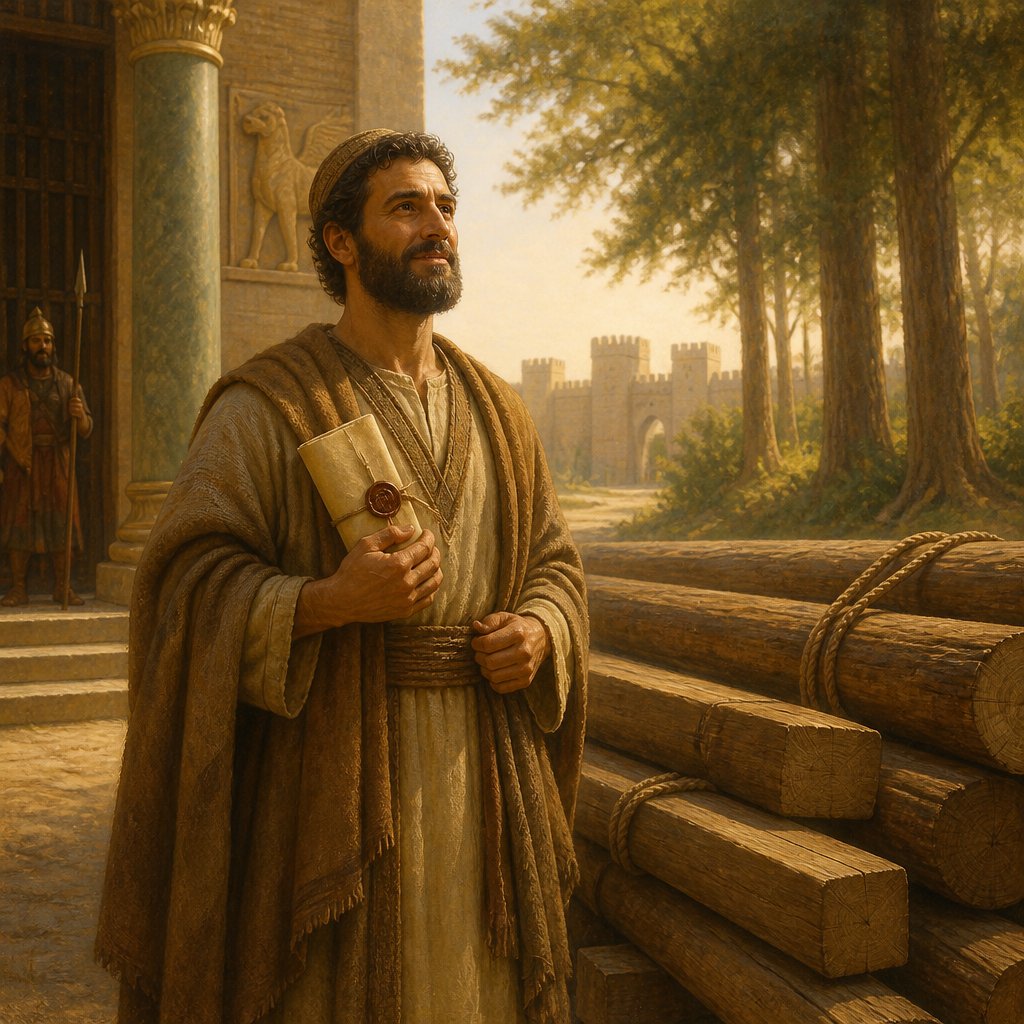
The Bible verse Nehemiah 2:8 in the King James Version (KJV) reads, "And a letter unto Asaph the keeper of the king's forest, that he may give me timber to make beams for the gates of the palace which appertained to the house, and for the wall of the city, and for the house that I shall enter into. And the king granted me, according to the good hand of my God upon me."
Nehemiah was a Jewish cupbearer to the Persian King Artaxerxes I. He often visited with the king and served him in a position of trust. After hearing of the poor state of Jerusalem's wall and the suffering of his people, Nehemiah's heart was broken, and he prayed and fasted for many days. Eventually, the king noticed Nehemiah's sad countenance and asked him what was wrong. Nehemiah explained the situation and asked for permission to go to Jerusalem and rebuild the wall. Surprisingly, the king granted Nehemiah's request and even provided him with a letter to Asaph, the keeper of the king's forest, instructing him to provide Nehemiah with timber for the project.
This verse is a pivotal moment in the book of Nehemiah, as it reflects the divine favor and faithfulness of God. Despite Nehemiah's lowly position as a cupbearer, he found favor in the eyes of the king, and his request was not only granted but also supported by the king. This shows that God can work through unlikely and unexpected sources to accomplish His purposes.
One of the major themes in this verse is the providence and sovereignty of God. Throughout the book of Nehemiah, we see God's hand at work, orchestrating events and providing for Nehemiah's needs. The king's willingness to grant Nehemiah's request and even supply him with resources can be seen as a direct result of God's intervention. This demonstrates that God is in control of all things, including the hearts of kings and rulers, and He can use them to accomplish His plans.
Another important theme in this verse is the idea of divine calling and purpose. Nehemiah was burdened for the state of Jerusalem and felt called to do something about it. His boldness and courage in approaching the king and requesting permission to rebuild the wall reflect his strong sense of purpose and determination. It is a reminder that God often calls us to specific tasks and equips us with the necessary means to fulfill those callings.
The context of this verse is also significant. Nehemiah's request for timber to rebuild the wall and gates of Jerusalem was a monumental task. The wall was not merely a physical structure but a symbol of protection, security, and identity for the Jewish people. By securing the king's support and resources, Nehemiah was taking a significant step toward restoring the dignity and strength of his people.
Symbolically, the timber represents the material resources needed for the restoration project. It also symbolizes the providential provision of God. The fact that the timber was sourced from the king's forest further emphasizes the divine favor and support that Nehemiah received.
In conclusion, Nehemiah 2:8 is a verse that highlights both the providence of God and the faithful obedience of Nehemiah. It reminds us that God is sovereign and can use unlikely sources to accomplish His purposes. It also encourages us to seek and heed God's calling in our lives, knowing that He will provide for and support us as we step out in faith.
Have questions about Nehemiah 2:8?
Dive deeper into this scripture with Bible Chat — an AI-powered tool for exploring God's Word through conversation. Ask questions, get context, and grow in your understanding of the Bible.
Get Our Apps


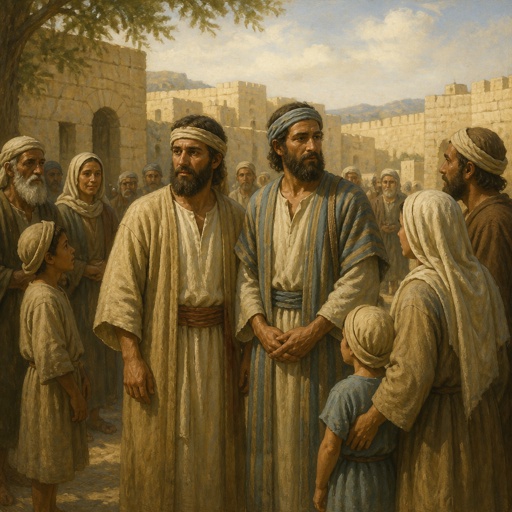
Nehemiah 2:8 Artwork

Nehemiah 2:8 - "And a letter unto Asaph the keeper of the king's forest, that he may give me timber to make beams for the gates of the palace which appertained to the house, and for the wall of the city, and for the house that I shall enter into. And the king granted me, according to the good hand of my God upon me."
"And a letter unto Asaph the keeper of the king's forest, that he may give me timber to make beams for the gates of the palace which appertained to the house, and for the wall of the city, and for the house that I shall enter into. And the king granted me, according to the good hand of my God upon me." - Nehemiah 2:8

Nehemiah 8:2 - "And Ezra the priest brought the law before the congregation both of men and women, and all that could hear with understanding, upon the first day of the seventh month."

Nehemiah 8:10

Nehemiah 8:10

Nehemiah 8:10

Nehemiah 8:8 - "So they read in the book in the law of God distinctly, and gave the sense, and caused them to understand the reading."

Nehemiah 10:8 - "Maaziah, Bilgai, Shemaiah: these were the priests."

Nehemiah 7:8 - "The children of Parosh, two thousand an hundred seventy and two."

Nehemiah 11:8 - "And after him Gabbai, Sallai, nine hundred twenty and eight."

Nehemiah 4:8 - "And conspired all of them together to come and to fight against Jerusalem, and to hinder it."

Nehemiah 12:2 - "Amariah, Malluch, Hattush,"

Nehemiah 10:2 - "Seraiah, Azariah, Jeremiah,"
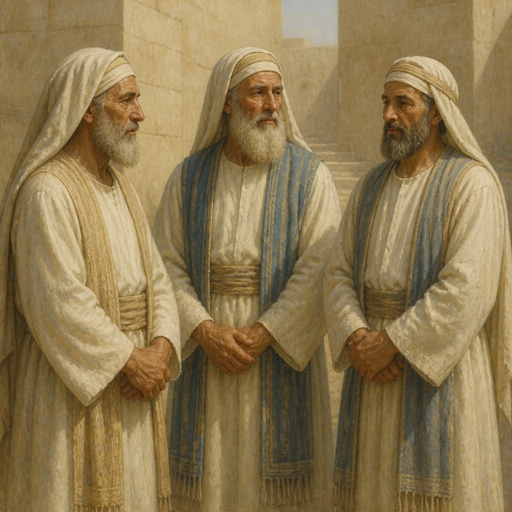
"Maaziah, Bilgai, Shemaiah: these were the priests." - Nehemiah 10:8

Nehemiah 8:9 - "¶ And Nehemiah, which is the Tirshatha, and Ezra the priest the scribe, and the Levites that taught the people, said unto all the people, This day is holy unto the LORD your God; mourn not, nor weep. For all the people wept, when they heard the words of the law."

Nehemiah 13:8 - "And it grieved me sore: therefore I cast forth all the household stuff of Tobiah out of the chamber."

Nehemiah 12:8 - "Moreover the Levites: Jeshua, Binnui, Kadmiel, Sherebiah, Judah, and Mattaniah, which was over the thanksgiving, he and his brethren."

Nehemiah 8:11 - "So the Levites stilled all the people, saying, Hold your peace, for the day is holy; neither be ye grieved."

Nehemiah 2:11 - "So I came to Jerusalem, and was there three days."

Nehemiah 8:14 - "And they found written in the law which the LORD had commanded by Moses, that the children of Israel should dwell in booths in the feast of the seventh month:"
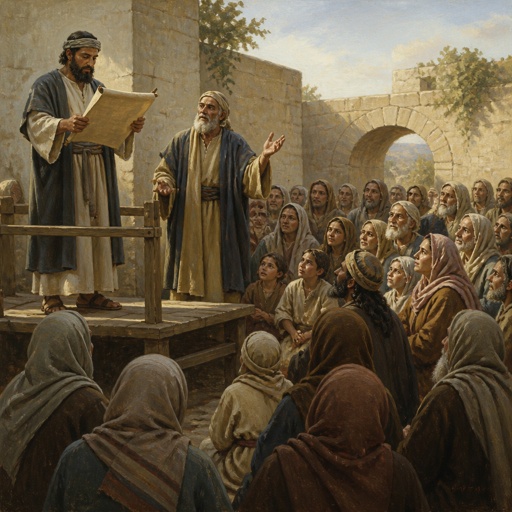
"So they read in the book in the law of God distinctly, and gave the sense, and caused them to understand the reading." - Nehemiah 8:8

Nehemiah 6:8 - "Then I sent unto him, saying, There are no such things done as thou sayest, but thou feignest them out of thine own heart."
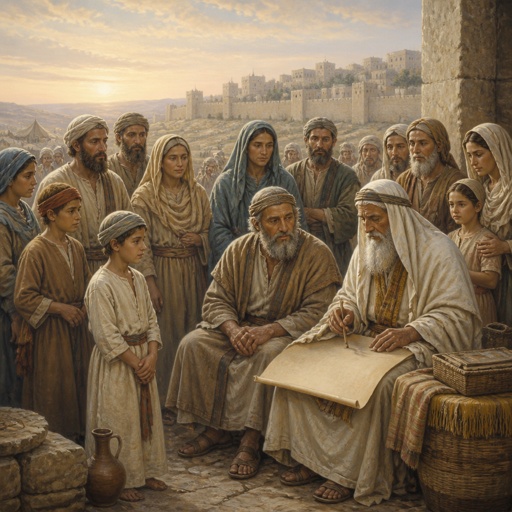
"The children of Parosh, two thousand an hundred seventy and two." - Nehemiah 7:8
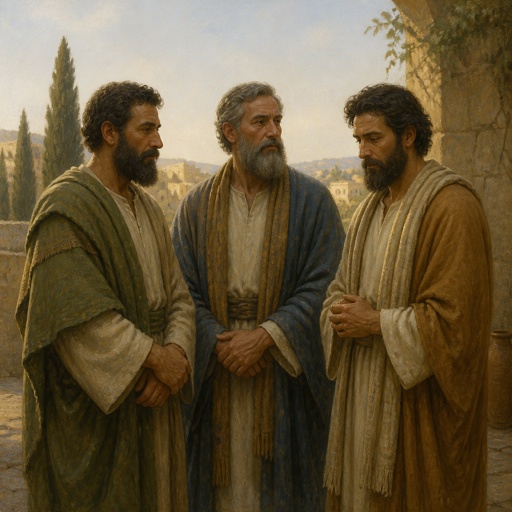
"Seraiah, Azariah, Jeremiah," - Nehemiah 10:2
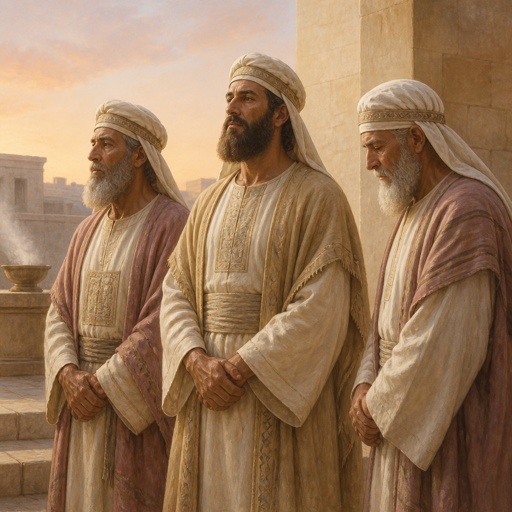
"Amariah, Malluch, Hattush," - Nehemiah 12:2

Nehemiah 8:5 - "And Ezra opened the book in the sight of all the people; (for he was above all the people;) and when he opened it, all the people stood up:"

Nehemiah 8:13 - "¶ And on the second day were gathered together the chief of the fathers of all the people, the priests, and the Levites, unto Ezra the scribe, even to understand the words of the law."
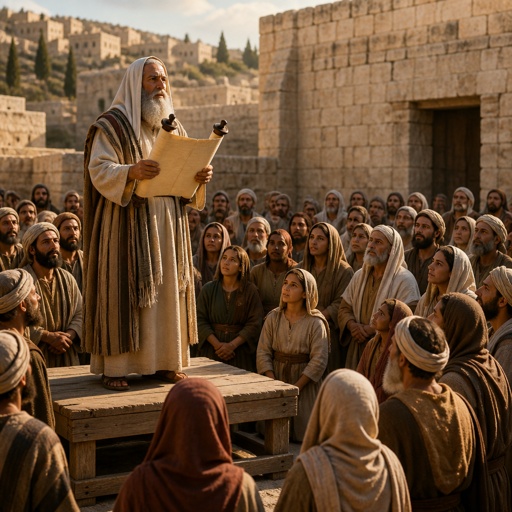
"And Ezra the priest brought the law before the congregation both of men and women, and all that could hear with understanding, upon the first day of the seventh month." - Nehemiah 8:2
"And after him Gabbai, Sallai, nine hundred twenty and eight." - Nehemiah 11:8

Nehemiah 11:2 - "And the people blessed all the men, that willingly offered themselves to dwell at Jerusalem."