What does Nehemiah 2:15 mean?
"Then went I up in the night by the brook, and viewed the wall, and turned back, and entered by the gate of the valley, and so returned." - Nehemiah 2:15
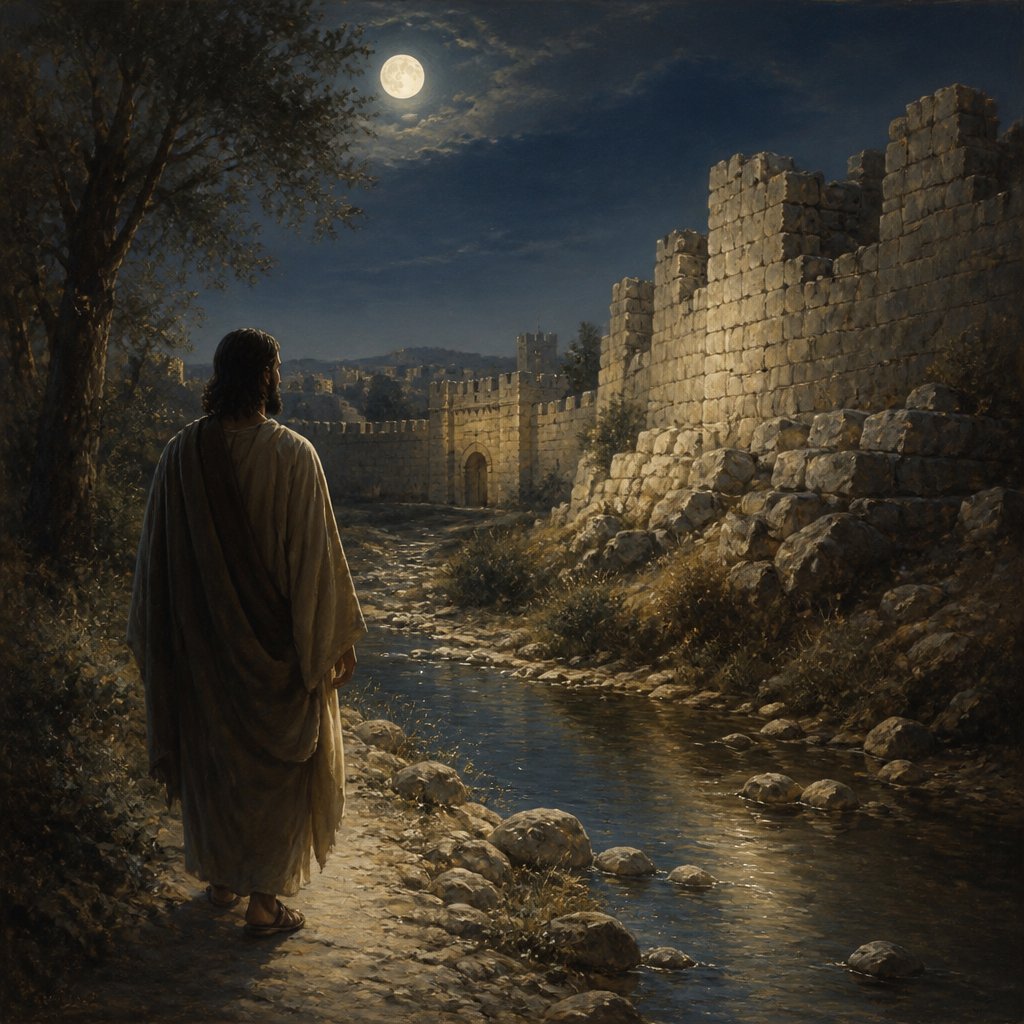
Nehemiah 2:15 (KJV) states, "Then went I up in the night by the brook, and viewed the wall, and turned back, and entered by the gate of the valley, and so returned." This verse is a part of the narrative of Nehemiah, a Jewish leader who played a pivotal role in the reconstruction of the walls of Jerusalem after they had been destroyed by the Babylonians.
The overall context of this verse is that Nehemiah has arrived in Jerusalem and is surveying the damage caused to the city walls. He does so at night, likely to avoid detection and to strategically plan his next steps. This action of inspecting the walls demonstrates Nehemiah's diligence, intelligence, and dedication to the task at hand. It also signifies his careful and methodical approach to problem-solving, as he takes the time to assess the situation before taking action.
One of the central themes of this verse is the idea of restoration and rebuilding. The city of Jerusalem, which was once a symbol of strength and glory, had been reduced to rubble. Nehemiah's mission was to lead the effort to rebuild the walls and restore the city to its former greatness. This theme reflects the broader biblical theme of redemption and renewal, as Nehemiah's actions symbolize the restoration of hope and strength to a beleaguered community.
The imagery of Nehemiah surveying the walls also holds symbolic significance. The walls of a city are traditionally seen as its primary means of defense and protection. By meticulously inspecting the walls, Nehemiah is taking stock of the city's vulnerabilities and identifying the areas that need reinforcement. This can be seen as a metaphor for how individuals and communities must also take stock of their own weaknesses and work to strengthen them.
Another important theme in this verse is the idea of leadership and responsibility. Nehemiah's actions demonstrate his willingness to take on a difficult and challenging task for the greater good of his people. His willingness to put himself at risk by inspecting the walls at night and his determination to lead the reconstruction effort serve as a model for effective leadership and the fulfillment of one's responsibilities to the community.
Furthermore, Nehemiah's actions can also be understood as a demonstration of faith and trust in God. Throughout the book of Nehemiah, the protagonist consistently turns to prayer and seeks divine guidance as he navigates the challenges of leading the reconstruction effort. This verse serves as a reminder that even in the face of daunting obstacles, faith and perseverance can lead to restoration and renewal.
In a broader theological sense, this verse can be seen as a representation of the human condition. Just as Nehemiah had to confront the brokenness of Jerusalem, individuals are often faced with personal and communal brokenness. However, through diligent effort, strategic planning, and faith in God, it is possible to initiate the process of healing and restoration.
In conclusion, Nehemiah 2:15 from the King James Version of the Bible is a rich and multilayered verse that carries profound themes of restoration, leadership, faith, and perseverance. It highlights the importance of taking stock of one's surroundings, identifying areas in need of repair, and undertaking the necessary steps to bring about renewal and transformation. Whether viewed as a historical account, a moral fable, or a theological allegory, this verse continues to resonate with readers as a testament to the human capacity for resilience, hope, and the ability to overcome adversity.
Have questions about Nehemiah 2:15?
Dive deeper into this scripture with Bible Chat — an AI-powered tool for exploring God's Word through conversation. Ask questions, get context, and grow in your understanding of the Bible.
Get Our Apps


Nehemiah 2:15 Artwork

Nehemiah 2:15 - "Then went I up in the night by the brook, and viewed the wall, and turned back, and entered by the gate of the valley, and so returned."
"Then went I up in the night by the brook, and viewed the wall, and turned back, and entered by the gate of the valley, and so returned." - Nehemiah 2:15

Nehemiah 10:15 - "Bunni, Azgad, Bebai,"

Nehemiah 12:15 - "Of Harim, Adna; of Meraioth, Helkai;"

Nehemiah 7:15 - "The children of Binnui, six hundred forty and eight."
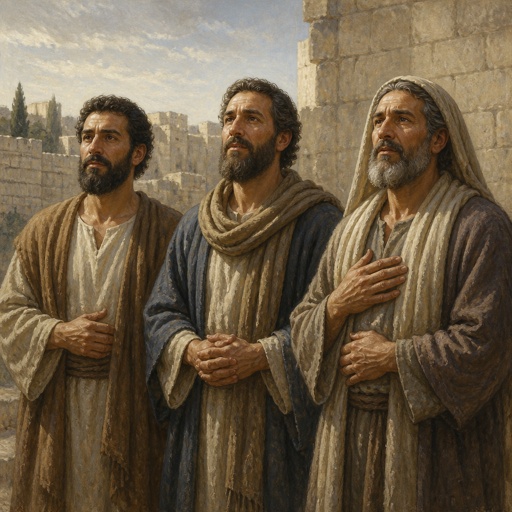
"Bunni, Azgad, Bebai," - Nehemiah 10:15

Nehemiah 6:15 – "So the wall was completed on the twenty-fifth of Elul, in fifty-two days."
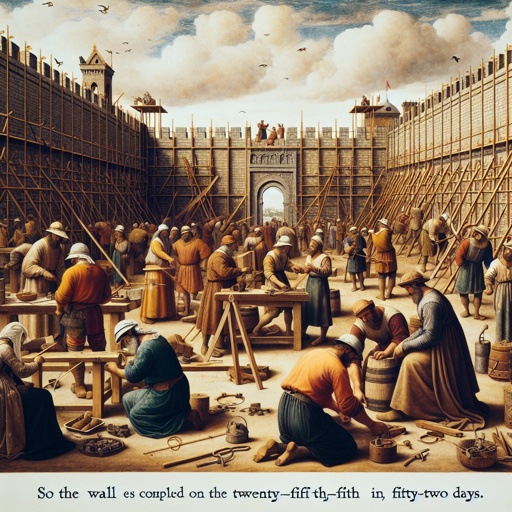
Nehemiah 6:15 – "So the wall was completed on the twenty-fifth of Elul, in fifty-two days."
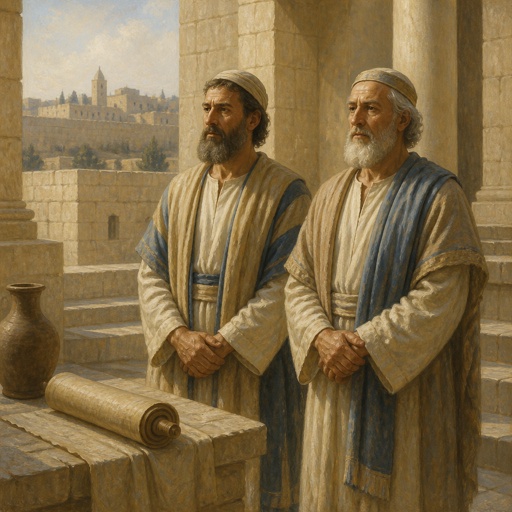
"Of Harim, Adna; of Meraioth, Helkai;" - Nehemiah 12:15

Nehemiah 11:15 - "Also of the Levites: Shemaiah the son of Hashub, the son of Azrikam, the son of Hashabiah, the son of Bunni;"

Nehemiah 6:15 - "¶ So the wall was finished in the twenty and fifth day of the month Elul, in fifty and two days."
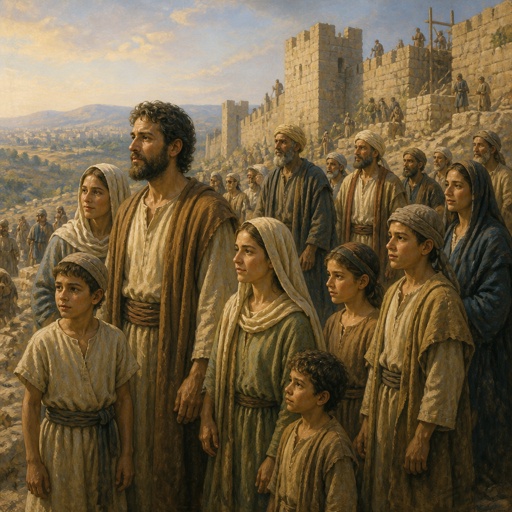
"The children of Binnui, six hundred forty and eight." - Nehemiah 7:15

Nehemiah 12:2 - "Amariah, Malluch, Hattush,"

Nehemiah 10:2 - "Seraiah, Azariah, Jeremiah,"

Nehemiah 2:11 - "So I came to Jerusalem, and was there three days."
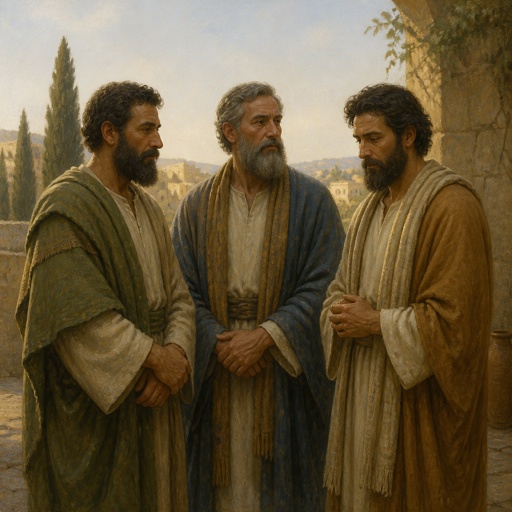
"Seraiah, Azariah, Jeremiah," - Nehemiah 10:2
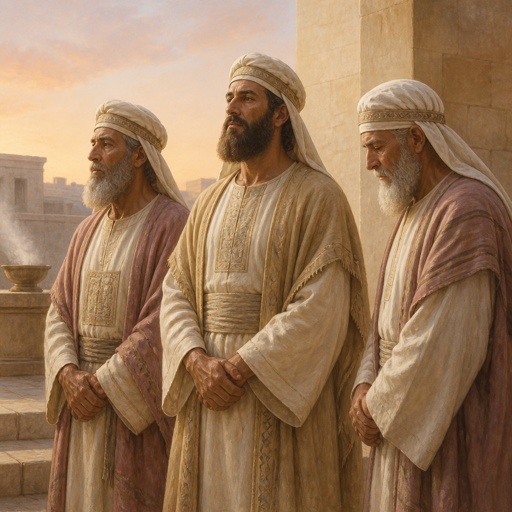
"Amariah, Malluch, Hattush," - Nehemiah 12:2

Nehemiah 11:2 - "And the people blessed all the men, that willingly offered themselves to dwell at Jerusalem."

Ezra 2:2 - "Which came with Zerubbabel: Jeshua, Nehemiah, Seraiah, Reelaiah, Mordecai, Bilshan, Mispar, Bigvai, Rehum, Baanah. The number of the men of the people of Israel:"

Nehemiah 2:14 - "Then I went on to the gate of the fountain, and to the king's pool: but there was no place for the beast that was under me to pass."

Nehemiah 4:15 - "And it came to pass, when our enemies heard that it was known unto us, and God had brought their counsel to nought, that we returned all of us to the wall, every one unto his work."

Nehemiah 3:2 - "And next unto him builded the men of Jericho. And next to them builded Zaccur the son of Imri."

Nehemiah 9:2 - "And the seed of Israel separated themselves from all strangers, and stood and confessed their sins, and the iniquities of their fathers."

Nehemiah 9:15 - "And gavest them bread from heaven for their hunger, and broughtest forth water for them out of the rock for their thirst, and promisedst them that they should go in to possess the land which thou hadst sworn to give them."
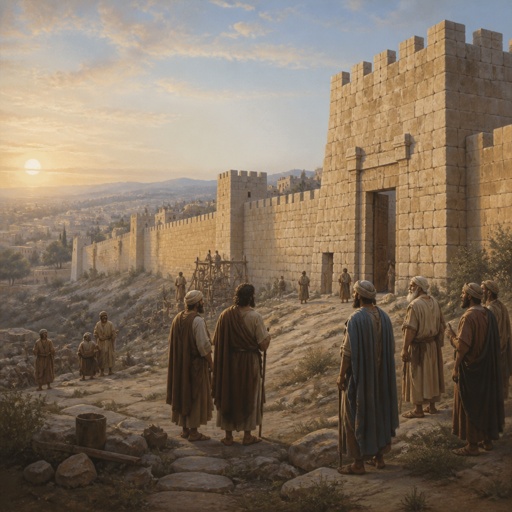
"¶ So the wall was finished in the twenty and fifth day of the month Elul, in fifty and two days." - Nehemiah 6:15
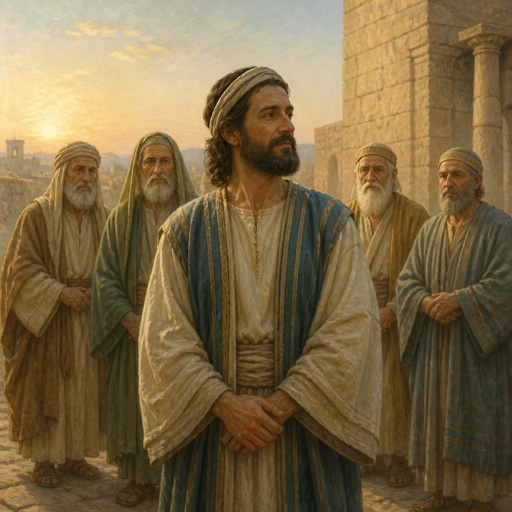
"Also of the Levites: Shemaiah the son of Hashub, the son of Azrikam, the son of Hashabiah, the son of Bunni;" - Nehemiah 11:15

Nehemiah 8:15 - "And that they should publish and proclaim in all their cities, and in Jerusalem, saying, Go forth unto the mount, and fetch olive branches, and pine branches, and myrtle branches, and palm branches, and branches of thick trees, to make booths, as it is written."

Nehemiah 2:4 - "Then the king said unto me, For what dost thou make request? So I prayed to the God of heaven."

Nehemiah 2:2 - "Wherefore the king said unto me, Why is thy countenance sad, seeing thou art not sick? this is nothing else but sorrow of heart. Then I was very sore afraid,"

"So I came to Jerusalem, and was there three days." - Nehemiah 2:11