What does Nehemiah 13:9 mean?
"Then I commanded, and they cleansed the chambers: and thither brought I again the vessels of the house of God, with the meat offering and the frankincense." - Nehemiah 13:9
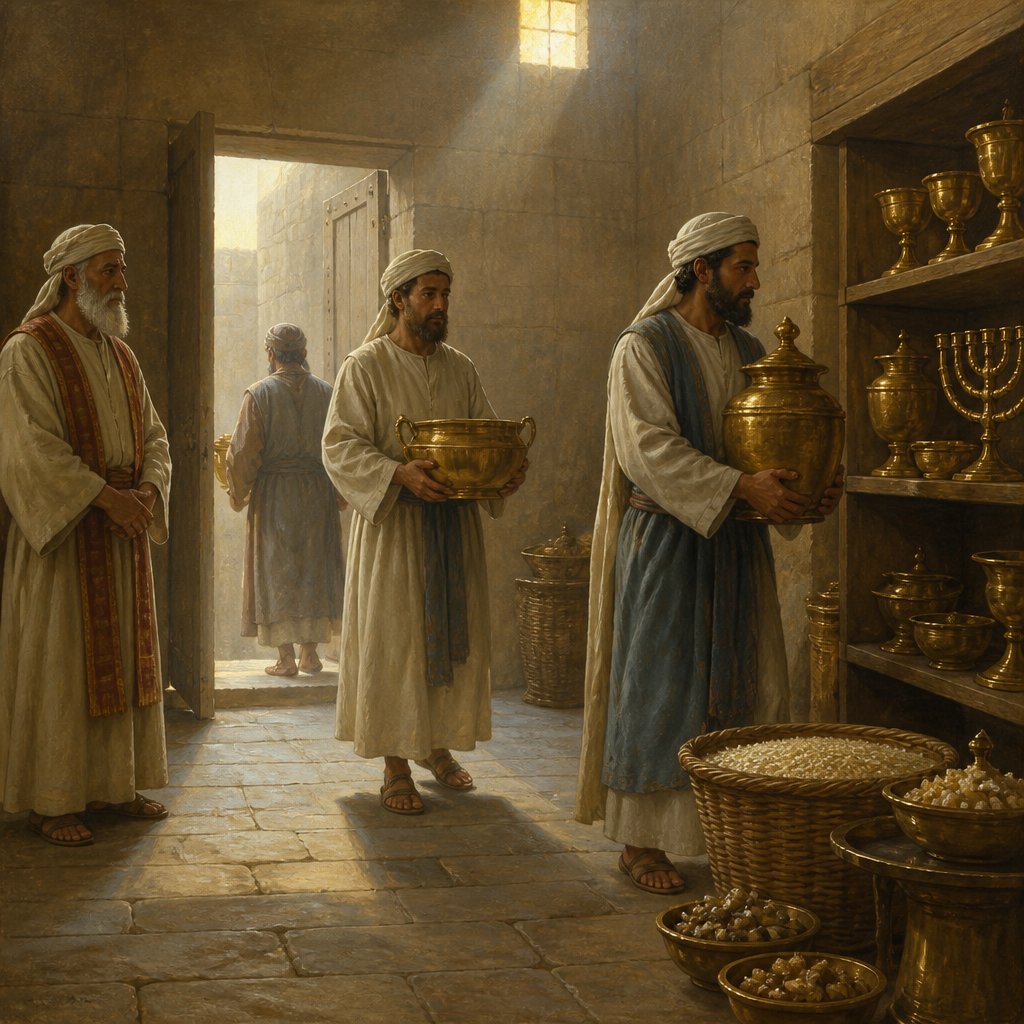
The Bible verse Nehemiah 13:9 in the King James Version (KJV) states, "Then I commanded, and they cleansed the chambers: and thither brought I again the vessels of the house of God, with the meat offering and the frankincense."
To fully understand the significance of this verse, we need to analyze the context in which it is situated. The Book of Nehemiah is a historical account of the efforts of Nehemiah, a Jewish leader, to rebuild the walls of Jerusalem and to restore the worship of God among the people of Israel. Nehemiah was appointed as governor of Judah by the Persian king, Artaxerxes, and he was given a commission to rebuild the city of Jerusalem, as well as to restore the faith and obedience of the people to God's law.
In the preceding chapters, we learn that Nehemiah had left Jerusalem to return to the Persian court for a period of time. During his absence, the people of Jerusalem had allowed the chambers of the temple to be used for storage, and the sacred vessels of the house of God had been removed. This was a direct violation of the holiness of the temple and the proper worship of God. When Nehemiah returned and discovered this, he took immediate action to rectify the situation. He commanded the cleansing of the chambers and the restoration of the vessels, meat offerings, and frankincense to their rightful place in the temple.
The verse symbolizes the importance of maintaining the sanctity and reverence of the house of God. The temple was the central place of worship for the Israelites, and the vessels and offerings used in religious rituals held great significance. By allowing the chambers to be used for secular purposes and the sacred vessels to be removed, the people of Jerusalem had neglected their responsibilities to honor and worship God. Nehemiah's command to cleanse the chambers and return the vessels was a powerful statement of the need for purity and dedication in the worship of God.
The themes of obedience, reverence, and worship are prevalent in this verse. Nehemiah's actions reflect his commitment to upholding the laws and traditions of the Jewish faith. His leadership and unwavering dedication to restoring the proper worship of God serve as a model for believers to follow. The verse also highlights the importance of maintaining the sanctity of sacred spaces and objects used in worship. The chambers of the temple and the vessels of the house of God were not to be treated casually or disregarded. They were symbols of the holiness of God and the covenant between Him and the people of Israel.
Furthermore, the verse speaks to the concept of restitution and repentance. Nehemiah's decisive actions in cleansing the chambers and restoring the vessels were a form of restitution for the transgressions of the people. By undoing the damage that had been done, Nehemiah sought to make amends and bring about reconciliation with God. This act of restorative justice demonstrates the importance of acknowledging and rectifying one's mistakes, as well as the need for genuine repentance in order to be in right relationship with God.
In conclusion, Nehemiah 13:9 is a powerful and profound verse that conveys the importance of maintaining the reverence and purity of the house of God. Nehemiah's command to cleanse the chambers and restore the sacred vessels serves as a reminder of the significance of obedience, reverence, and worship in the life of believers. It also emphasizes the themes of restitution and repentance, illustrating the need to acknowledge and rectify our shortcomings in order to be in right relationship with God.
Have questions about Nehemiah 13:9?
Dive deeper into this scripture with Bible Chat — an AI-powered tool for exploring God's Word through conversation. Ask questions, get context, and grow in your understanding of the Bible.
Get Our Apps


Nehemiah 13:9 Artwork

Nehemiah 13:9 - "Then I commanded, and they cleansed the chambers: and thither brought I again the vessels of the house of God, with the meat offering and the frankincense."
"Then I commanded, and they cleansed the chambers: and thither brought I again the vessels of the house of God, with the meat offering and the frankincense." - Nehemiah 13:9
Nehemiah 9:13 - "Thou camest down also upon mount Sinai, and spakest with them from heaven, and gavest them right judgments, and true laws, good statutes and commandments:"

Nehemiah 11:13

Nehemiah 6:9

Nehemiah 10:13 - "Hodijah, Bani, Beninu."

Nehemiah 12:13 - "Of Ezra, Meshullam; of Amariah, Jehohanan;"

Nehemiah 9:9 - "And didst see the affliction of our fathers in Egypt, and heardest their cry by the Red sea;"

Nehemiah 7:13 - "The children of Zattu, eight hundred forty and five."

Nehemiah 7:9 - "The children of Shephatiah, three hundred seventy and two."

"Hodijah, Bani, Beninu." - Nehemiah 10:13

"Of Ezra, Meshullam; of Amariah, Jehohanan;" - Nehemiah 12:13

Nehemiah 9:16 - "But they and our fathers dealt proudly, and hardened their necks, and hearkened not to thy commandments,"

Nehemiah 13:12 - "Then brought all Judah the tithe of the corn and the new wine and the oil unto the treasuries."

Nehemiah 12:9 - "Also Bakbukiah and Unni, their brethren, were over against them in the watches."

Nehemiah 10:9 - "And the Levites: both Jeshua the son of Azaniah, Binnui of the sons of Henadad, Kadmiel;"

Nehemiah 11:9 - "And Joel the son of Zichri was their overseer: and Judah the son of Senuah was second over the city."

Nehemiah 13:31 - "And for the wood offering, at times appointed, and for the firstfruits. Remember me, O my God, for good."

Nehemiah 13:20 - "So the merchants and sellers of all kind of ware lodged without Jerusalem once or twice."

Nehemiah 13:4 - "¶ And before this, Eliashib the priest, having the oversight of the chamber of the house of our God, was allied unto Tobiah:"

Nehemiah 13:23 - "¶ In those days also saw I Jews that had married wives of Ashdod, of Ammon, and of Moab:"

Nehemiah 13:29 - "Remember them, O my God, because they have defiled the priesthood, and the covenant of the priesthood, and of the Levites."

Nehemiah 3:9 - "And next unto them repaired Rephaiah the son of Hur, the ruler of the half part of Jerusalem."

Nehemiah 13:24 - "And their children spake half in the speech of Ashdod, and could not speak in the Jews' language, but according to the language of each people."

Nehemiah 13:8 - "And it grieved me sore: therefore I cast forth all the household stuff of Tobiah out of the chamber."

Nehemiah 13:3 - "Now it came to pass, when they had heard the law, that they separated from Israel all the mixed multitude."

Nehemiah 9:2 - "And the seed of Israel separated themselves from all strangers, and stood and confessed their sins, and the iniquities of their fathers."

Nehemiah 8:9 - "¶ And Nehemiah, which is the Tirshatha, and Ezra the priest the scribe, and the Levites that taught the people, said unto all the people, This day is holy unto the LORD your God; mourn not, nor weep. For all the people wept, when they heard the words of the law."

"The children of Zattu, eight hundred forty and five." - Nehemiah 7:13
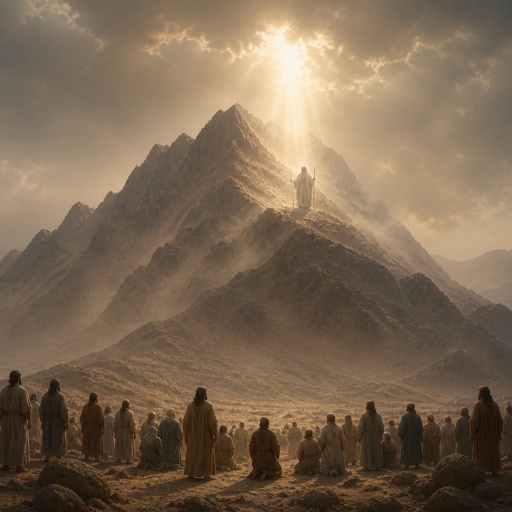
"Thou camest down also upon mount Sinai, and spakest with them from heaven, and gavest them right judgments, and true laws, good statutes and commandments:" - Nehemiah 9:13