What does Nehemiah 13:17 mean?
"Then I contended with the nobles of Judah, and said unto them, What evil thing is this that ye do, and profane the sabbath day?" - Nehemiah 13:17
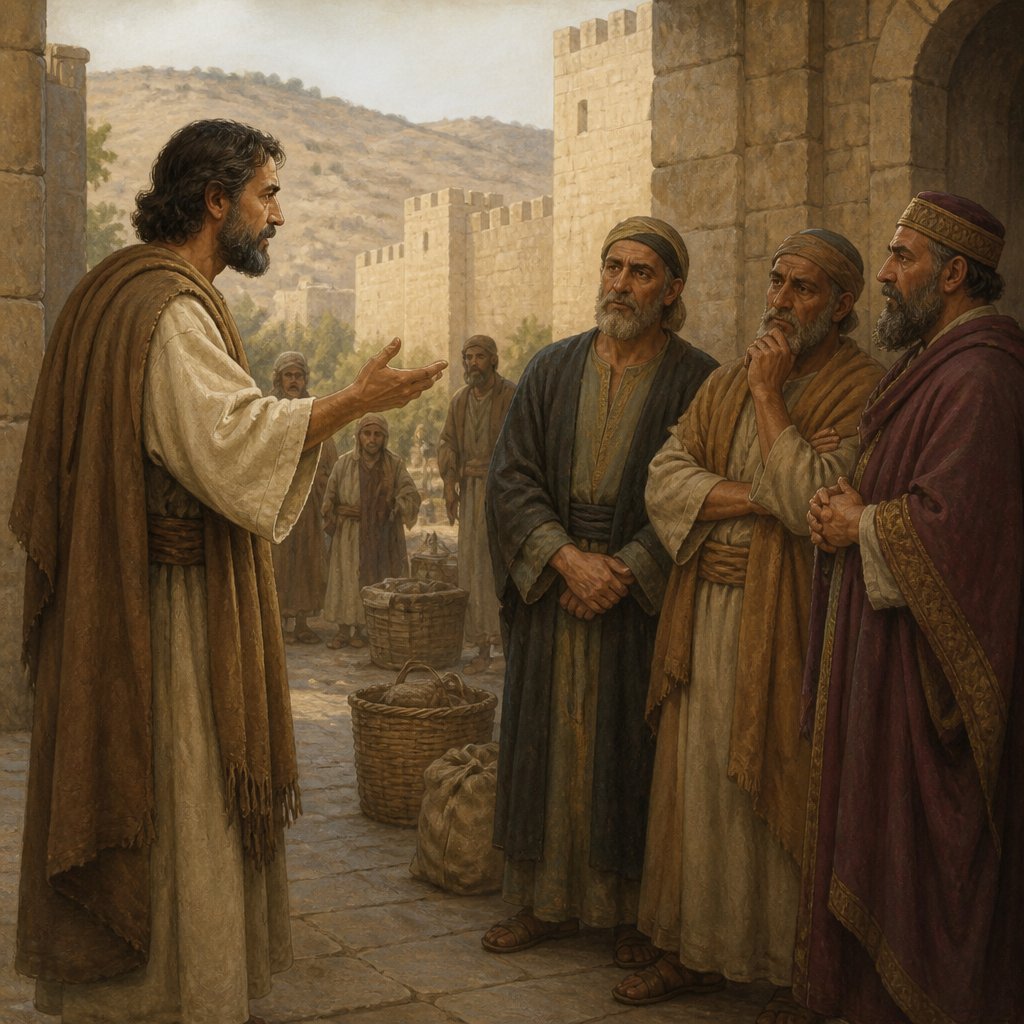
Nehemiah 13:17 in the King James Version reads, "Then I contended with the nobles of Judah, and said unto them, What evil thing is this that ye do, and profane the sabbath day?"
This verse is part of the book of Nehemiah in the Old Testament, which describes the efforts of Nehemiah to rebuild the walls of Jerusalem and to restore religious practices and social justice among the Jewish people. In this particular passage, Nehemiah confronts the nobles of Judah for failing to uphold the sanctity of the sabbath day. This verse offers valuable insights into the themes of social justice, religious observance, and leadership.
One of the central themes in Nehemiah 13:17 is the importance of upholding religious values and the observance of the sabbath day. In ancient Jewish tradition, the sabbath was a day of rest and spiritual enrichment, a time when individuals were called to honor and worship God. However, the nobles of Judah were neglecting their religious duties and were profaning the sabbath day by engaging in worldly activities. This verse serves as a reminder of the need to prioritize spiritual well-being and to honor the sacred traditions that have been passed down through generations.
The verse also highlights the theme of social justice and the responsibility of leaders to uphold moral and ethical standards. Nehemiah, as a devout and righteous leader, takes it upon himself to address the wrongdoing of the nobles and to hold them accountable for their actions. His confrontation with the nobles demonstrates his commitment to upholding the moral fabric of the community and ensuring that justice is served. This theme resonates with the broader message of the book of Nehemiah, which is to restore order and righteousness in the face of social and religious corruption.
Furthermore, Nehemiah 13:17 underscores the significance of leadership and the qualities of a strong and principled leader. Nehemiah's willingness to confront the nobles and challenge their behavior exemplifies his courage, integrity, and unwavering commitment to the well-being of his people. His actions serve as a model for effective leadership, emphasizing the importance of speaking out against injustice and working diligently to bring about positive change. This theme is particularly relevant in contemporary society, where the need for ethical and compassionate leadership is as crucial as ever.
Symbolism also plays a significant role in understanding the deeper meaning of this verse. The sabbath day symbolizes the sacred and restorative relationship between humanity and the divine, representing a time for spiritual renewal and inner peace. By profaning the sabbath, the nobles of Judah are symbolically neglecting their spiritual responsibilities and jeopardizing their connection to God.
In conclusion, Nehemiah 13:17 is a powerful and thought-provoking verse that resonates with timeless themes of religious observance, social justice, and the qualities of effective leadership. Through Nehemiah's confrontation with the nobles of Judah, the verse encourages us to reflect on the importance of upholding moral and ethical standards, honoring sacred traditions, and embodying the virtues of integrity and courage. As we navigate our own lives and leadership roles, this verse serves as a poignant reminder of the enduring relevance of these values and the necessity of upholding them in our personal and communal realms.
Have questions about Nehemiah 13:17?
Dive deeper into this scripture with Bible Chat — an AI-powered tool for exploring God's Word through conversation. Ask questions, get context, and grow in your understanding of the Bible.
Get Our Apps


Nehemiah 13:17 Artwork

Nehemiah 13:17 - "Then I contended with the nobles of Judah, and said unto them, What evil thing is this that ye do, and profane the sabbath day?"
"Then I contended with the nobles of Judah, and said unto them, What evil thing is this that ye do, and profane the sabbath day?" - Nehemiah 13:17

Nehemiah 11:13

Nehemiah 10:17 - "Ater, Hizkijah, Azzur,"

Nehemiah 12:17 - "Of Abijah, Zichri; of Miniamin, of Moadiah, Piltai;"

Nehemiah 10:13 - "Hodijah, Bani, Beninu."

Nehemiah 12:13 - "Of Ezra, Meshullam; of Amariah, Jehohanan;"
"Ater, Hizkijah, Azzur," - Nehemiah 10:17

Nehemiah 7:13 - "The children of Zattu, eight hundred forty and five."

Nehemiah 7:17 - "The children of Azgad, two thousand three hundred twenty and two."

"Hodijah, Bani, Beninu." - Nehemiah 10:13

Nehemiah 4:17 – "Those who carried materials did their work with one hand and held a weapon in the other."

Nehemiah 4:17 – "Those who carried materials did their work with one hand and held a weapon in the other."

"Of Ezra, Meshullam; of Amariah, Jehohanan;" - Nehemiah 12:13
"Of Abijah, Zichri; of Miniamin, of Moadiah, Piltai;" - Nehemiah 12:17

Nehemiah 13:12 - "Then brought all Judah the tithe of the corn and the new wine and the oil unto the treasuries."

Nehemiah 13:31 - "And for the wood offering, at times appointed, and for the firstfruits. Remember me, O my God, for good."

Nehemiah 13:20 - "So the merchants and sellers of all kind of ware lodged without Jerusalem once or twice."

Nehemiah 13:4 - "¶ And before this, Eliashib the priest, having the oversight of the chamber of the house of our God, was allied unto Tobiah:"

Nehemiah 13:23 - "¶ In those days also saw I Jews that had married wives of Ashdod, of Ammon, and of Moab:"

Nehemiah 13:29 - "Remember them, O my God, because they have defiled the priesthood, and the covenant of the priesthood, and of the Levites."

Nehemiah 13:24 - "And their children spake half in the speech of Ashdod, and could not speak in the Jews' language, but according to the language of each people."

Nehemiah 13:8 - "And it grieved me sore: therefore I cast forth all the household stuff of Tobiah out of the chamber."

Nehemiah 6:17 - "¶ Moreover in those days the nobles of Judah sent many letters unto Tobiah, and the letters of Tobiah came unto them."

Nehemiah 4:17 – "Those who carried materials did their work with one hand and held a weapon in the other."

Nehemiah 13:3 - "Now it came to pass, when they had heard the law, that they separated from Israel all the mixed multitude."

"The children of Zattu, eight hundred forty and five." - Nehemiah 7:13

Nehemiah 13:9 - "Then I commanded, and they cleansed the chambers: and thither brought I again the vessels of the house of God, with the meat offering and the frankincense."

Nehemiah 13:7 - "And I came to Jerusalem, and understood of the evil that Eliashib did for Tobiah, in preparing him a chamber in the courts of the house of God."

Nehemiah 13:13 - "And I made treasurers over the treasuries, Shelemiah the priest, and Zadok the scribe, and of the Levites, Pedaiah: and next to them was Hanan the son of Zaccur, the son of Mattaniah: for they were counted faithful, and their office was to distribute unto their brethren."