What does Nehemiah 12:4 mean?
"Iddo, Ginnetho, Abijah," - Nehemiah 12:4
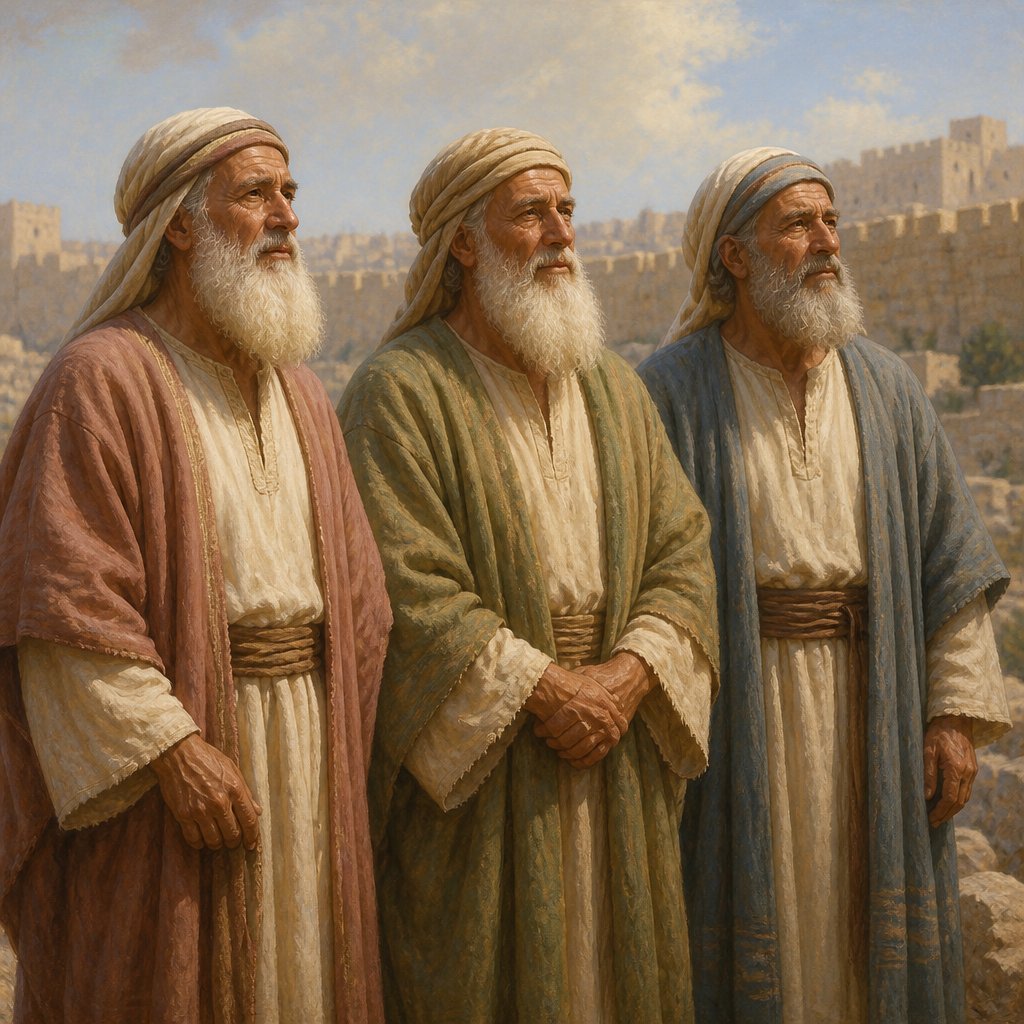
Nehemiah 12:4 (KJV) - "Iddo, Ginnetho, Abijah"
The book of Nehemiah is a historical account of the Israelites returning from exile in Babylon and rebuilding the city of Jerusalem. This particular verse is found in the passage where Nehemiah is appointing priests and Levites to oversee the service of the house of God. The verse lists the names of three individuals who were appointed for this important task.
In order to understand the full meaning and significance of Nehemiah 12:4, it is necessary to explore its context within the larger narrative of the book and consider the themes and symbolism present in the verse.
The appointment of priests and Levites in Nehemiah 12 is a crucial aspect of the restoration of the Jewish community. These religious leaders were responsible for upholding the spiritual life of the people and ensuring the proper worship and service of God. By listing the names of these individuals, the verse emphasizes the importance of their roles in the community and the meticulousness with which Nehemiah approached the task of rebuilding the nation.
The three names mentioned in Nehemiah 12:4 - Iddo, Ginnetho, and Abijah - represent individuals who were chosen to take on significant responsibilities in the community. The meaning of their names and their personal backgrounds are not explicitly mentioned in the text, but their inclusion in this list implies that they were esteemed and respected individuals within the community.
Beyond the literal names listed in this verse, there are deeper themes and symbolism that can be drawn from the appointment of these priests and Levites. One of the key themes in the book of Nehemiah is the restoration of a broken community. The Israelites had faced exile and their city lay in ruins. The rebuilding effort, both physically and spiritually, required dedicated and faithful leadership. The appointment of these individuals symbolizes the re-establishment of religious order and the commitment to upholding the worship and service of God.
Furthermore, the names Iddo, Ginnetho, and Abijah can be seen as symbolic representations of the qualities and characteristics valued in the leaders of the community. For example, "Iddo" means "appointed" or "timely," which may suggest the timely appointment of individuals to fulfill specific roles in the rebuilding process. "Ginnetho" means "garden," which could symbolize the nourishment and growth of the community under the leadership of these individuals. "Abijah" means "my father is Yahweh," highlighting the reverence and devotion to God that was integral to their leadership.
In a broader theological context, the verse can also be seen as a reminder of the importance of faithful and diligent leadership within the church. Just as Nehemiah appointed these individuals to oversee the service of the house of God, contemporary leaders are tasked with guiding and nurturing the spiritual lives of their congregations. The careful selection and appointment of leaders is essential for the health and growth of the church.
In conclusion, Nehemiah 12:4 is more than just a list of names. It represents the restoration of a broken community, the dedication to upholding the service of God, and the necessary appointment of faithful and diligent leaders. The verse speaks to the theological and practical importance of leadership within the religious community and serves as a reminder of the qualities valued in those who are called to serve.
Have questions about Nehemiah 12:4?
Dive deeper into this scripture with Bible Chat — an AI-powered tool for exploring God's Word through conversation. Ask questions, get context, and grow in your understanding of the Bible.
Get Our Apps


Nehemiah 12:4 Artwork

Nehemiah 12:4 - "Iddo, Ginnetho, Abijah,"

"Iddo, Ginnetho, Abijah," - Nehemiah 12:4

Nehemiah 4:12 - "And it came to pass, that when the Jews which dwelt by them came, they said unto us ten times, From all places whence ye shall return unto us they will be upon you."

Nehemiah 12:26 - "These were in the days of Joiakim the son of Jeshua, the son of Jozadak, and in the days of Nehemiah the governor, and of Ezra the priest, the scribe."

Nehemiah 12:5 - "Miamin, Maadiah, Bilgah,"

Nehemiah 12:33 - "And Azariah, Ezra, and Meshullam,"

Nehemiah 12:2 - "Amariah, Malluch, Hattush,"

Nehemiah 12:3 - "Shechaniah, Rehum, Meremoth,"

Nehemiah 10:12 - "Zaccur, Sherebiah, Shebaniah,"

Nehemiah 12:6 - "Shemaiah, and Joiarib, Jedaiah,"

Nehemiah 12:12 - "And in the days of Joiakim were priests, the chief of the fathers: of Seraiah, Meraiah; of Jeremiah, Hananiah;"

Nehemiah 4:6

Nehemiah 4:6

Nehemiah 4:6

Nehemiah 12:13 - "Of Ezra, Meshullam; of Amariah, Jehohanan;"

Nehemiah 12:16 - "Of Iddo, Zechariah; of Ginnethon, Meshullam;"

Nehemiah 12:20 - "Of Sallai, Kallai; of Amok, Eber;"

Nehemiah 12:19 - "And of Joiarib, Mattenai; of Jedaiah, Uzzi;"

Nehemiah 12:34 - "Judah, and Benjamin, and Shemaiah, and Jeremiah,"

Nehemiah 12:15 - "Of Harim, Adna; of Meraioth, Helkai;"

Nehemiah 12:18 - "Of Bilgah, Shammua; of Shemaiah, Jehonathan;"

Nehemiah 12:21 - "Of Hilkiah, Hashabiah; of Jedaiah, Nethaneel."

Nehemiah 12:14 - "Of Melicu, Jonathan; of Shebaniah, Joseph;"

Nehemiah 12:17 - "Of Abijah, Zichri; of Miniamin, of Moadiah, Piltai;"

Nehemiah 10:4 - "Hattush, Shebaniah, Malluch,"

Nehemiah 12:11 - "And Joiada begat Jonathan, and Jonathan begat Jaddua."

Nehemiah 7:12 - "The children of Elam, a thousand two hundred fifty and four."

Nehemiah 12:32 - "And after them went Hoshaiah, and half of the princes of Judah,"

"Miamin, Maadiah, Bilgah," - Nehemiah 12:5

"Shemaiah, and Joiarib, Jedaiah," - Nehemiah 12:6