What does Nehemiah 12:30 mean?
"And the priests and the Levites purified themselves, and purified the people, and the gates, and the wall." - Nehemiah 12:30
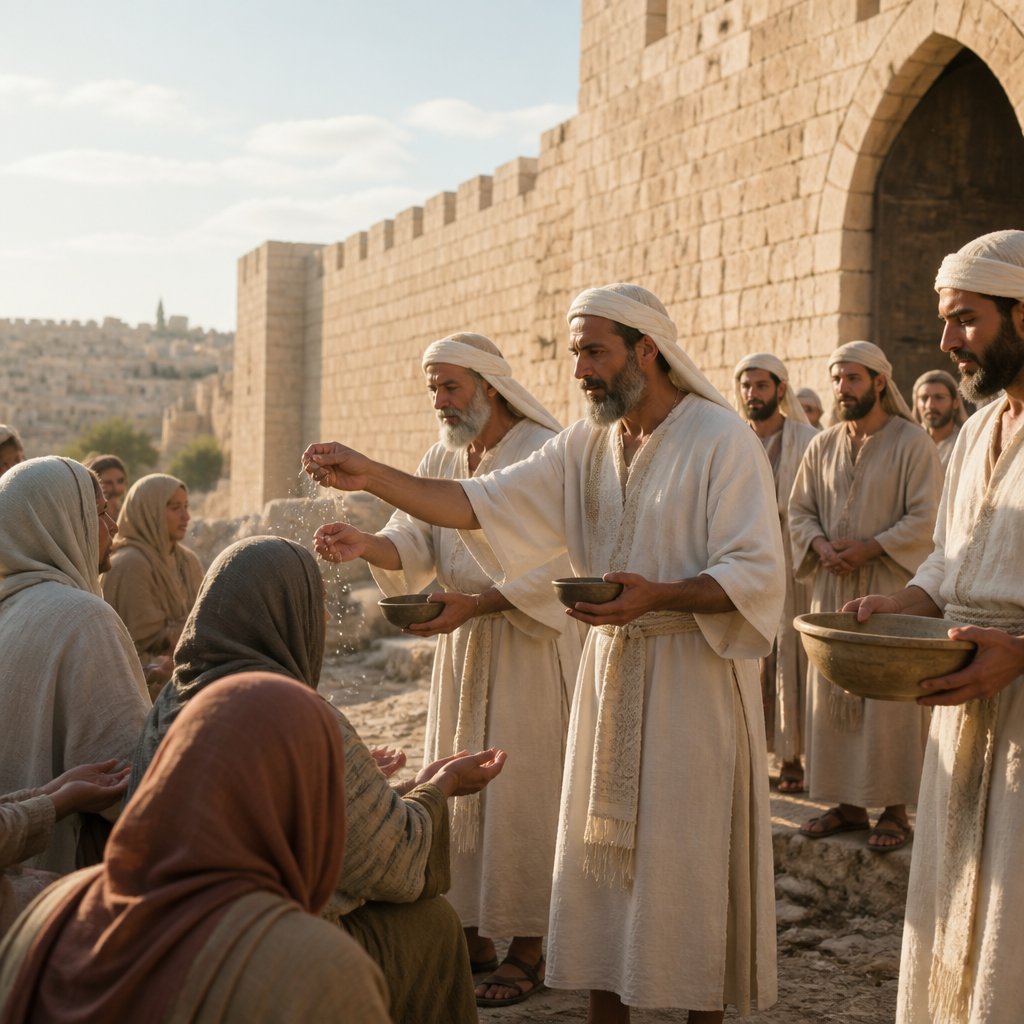
Nehemiah 12:30 in the King James Version reads: "And the priests and the Levites purified themselves, and purified the people, and the gates, and the wall."
This verse comes at the end of a chapter that describes the dedication of Jerusalem's wall. In this verse, the focus is on the priests and Levites purifying themselves, the people, the gates, and the wall. This act of purification is significant because it represents a spiritual cleansing and a commitment to holiness.
First, it is important to understand the context in which this verse appears. Nehemiah, a Jewish exile living in Persia, received news about the distress of the people in Jerusalem and felt compelled to do something about it. He was burdened by the state of the city's broken-down walls, which left it vulnerable to attack and symbolized its spiritual and physical desolation.
With the king's permission, Nehemiah returned to Jerusalem and, with the help of the people, initiated the task of rebuilding the city's walls. Despite facing opposition and obstacles, the people remained committed to the work, and the wall was completed in just 52 days. This was a remarkable achievement and a testament to the determination and faithfulness of the Jewish people.
The dedication of the wall was a joyous occasion for the people, and it was marked by a procession, music, and the singing of praises to God. The priests and Levites played a key role in this celebration, as they were responsible for maintaining the sanctity of the city and its inhabitants. In Nehemiah 12:30, the purification performed by the priests and Levites is a symbolic act that represents the spiritual cleansing and dedication of the city to God.
The act of purification was a ceremonial ritual that involved the cleansing of individuals, gates, and the wall itself. This process was essential for ensuring that the city and its inhabitants were consecrated to God and set apart for His purposes. It was a way of acknowledging that Jerusalem belonged to God and that its protection and security were dependent on His favor.
The purification also served as a reminder of the people's commitment to living holy lives and upholding the standards of righteousness and obedience to God's commandments. By purifying themselves and the city, the priests and Levites were reaffirming their devotion to God and their desire for His presence to dwell among them.
Furthermore, the act of purification signified a new beginning for Jerusalem. The completion of the wall and the dedication ceremony marked a turning point in the city's history. It was a time of restoration, renewal, and spiritual revival. The people were reclaiming their identity as God's chosen people and were rededicating themselves to His service.
Symbolically, the purification of the wall and the city gates represents the protection and security provided by God. In ancient times, city walls and gates were essential for safeguarding the inhabitants from external threats. By purifying the wall and the gates, the people were acknowledging that their ultimate protection came from God, and they were putting their trust in Him alone.
In a broader sense, the act of purification in Nehemiah 12:30 carries a message of spiritual renewal and transformation. It serves as a reminder that in times of distress and desolation, God is able to bring about restoration and healing. It is a call to seek purification, both individually and collectively, and to strive for holiness and consecration to God.
Overall, Nehemiah 12:30 reflects the themes of dedication, purification, and spiritual renewal. It emphasizes the importance of maintaining holiness and consecration to God, as well as the significance of seeking His protection and favor. The verse serves as a powerful reminder of God's faithfulness and His ability to bring about restoration and revival in the midst of adversity.
Have questions about Nehemiah 12:30?
Dive deeper into this scripture with Bible Chat — an AI-powered tool for exploring God's Word through conversation. Ask questions, get context, and grow in your understanding of the Bible.
Get Our Apps


Nehemiah 12:30 Artwork

Nehemiah 12:30 - "And the priests and the Levites purified themselves, and purified the people, and the gates, and the wall."
"And the priests and the Levites purified themselves, and purified the people, and the gates, and the wall." - Nehemiah 12:30

Nehemiah 7:30 - "The men of Ramah and Geba, six hundred twenty and one."

Nehemiah 12:26 - "These were in the days of Joiakim the son of Jeshua, the son of Jozadak, and in the days of Nehemiah the governor, and of Ezra the priest, the scribe."

Nehemiah 12:33 - "And Azariah, Ezra, and Meshullam,"

Nehemiah 12:5 - "Miamin, Maadiah, Bilgah,"

Nehemiah 12:2 - "Amariah, Malluch, Hattush,"

Nehemiah 12:4 - "Iddo, Ginnetho, Abijah,"

Nehemiah 12:3 - "Shechaniah, Rehum, Meremoth,"

Nehemiah 10:12 - "Zaccur, Sherebiah, Shebaniah,"

Nehemiah 12:6 - "Shemaiah, and Joiarib, Jedaiah,"
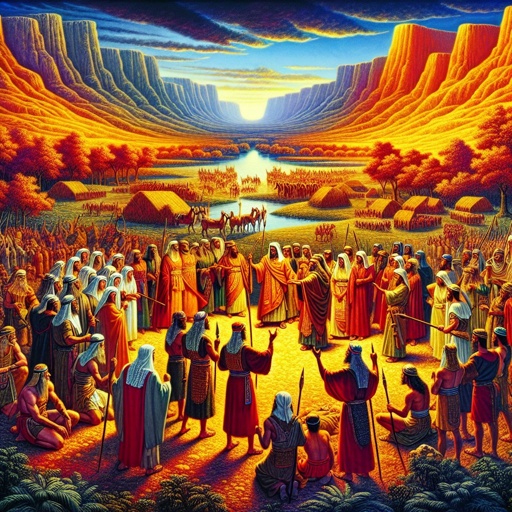
Nehemiah 10:30 - "And that we would not give our daughters unto the people of the land, nor take their daughters for our sons:"

Nehemiah 12:12 - "And in the days of Joiakim were priests, the chief of the fathers: of Seraiah, Meraiah; of Jeremiah, Hananiah;"

Nehemiah 12:16 - "Of Iddo, Zechariah; of Ginnethon, Meshullam;"

Nehemiah 12:13 - "Of Ezra, Meshullam; of Amariah, Jehohanan;"

Nehemiah 12:20 - "Of Sallai, Kallai; of Amok, Eber;"

Nehemiah 12:19 - "And of Joiarib, Mattenai; of Jedaiah, Uzzi;"

Nehemiah 12:34 - "Judah, and Benjamin, and Shemaiah, and Jeremiah,"

Nehemiah 12:15 - "Of Harim, Adna; of Meraioth, Helkai;"

Nehemiah 12:18 - "Of Bilgah, Shammua; of Shemaiah, Jehonathan;"

Nehemiah 12:14 - "Of Melicu, Jonathan; of Shebaniah, Joseph;"

Nehemiah 12:21 - "Of Hilkiah, Hashabiah; of Jedaiah, Nethaneel."

Nehemiah 12:17 - "Of Abijah, Zichri; of Miniamin, of Moadiah, Piltai;"

Nehemiah 13:30 - "Thus cleansed I them from all strangers, and appointed the wards of the priests and the Levites, every one in his business;"

Nehemiah 12:11 - "And Joiada begat Jonathan, and Jonathan begat Jaddua."
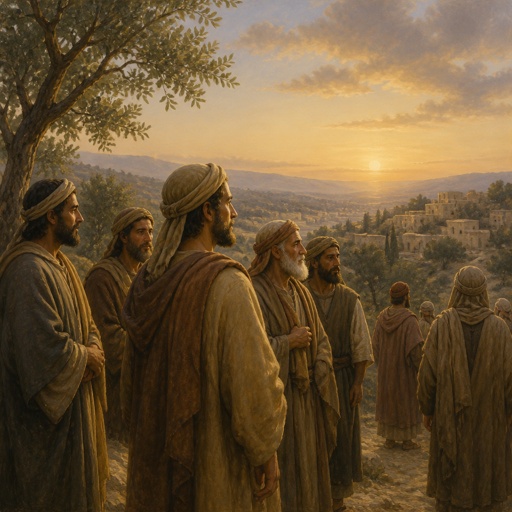
"The men of Ramah and Geba, six hundred twenty and one." - Nehemiah 7:30
Nehemiah 11:30 - "Zanoah, Adullam, and in their villages, at Lachish, and the fields thereof, at Azekah, and in the villages thereof. And they dwelt from Beer-sheba unto the valley of Hinnom."

Nehemiah 7:12 - "The children of Elam, a thousand two hundred fifty and four."

Nehemiah 12:32 - "And after them went Hoshaiah, and half of the princes of Judah,"

"Miamin, Maadiah, Bilgah," - Nehemiah 12:5