What does Nehemiah 12:23 mean?
"The sons of Levi, the chief of the fathers, were written in the book of the chronicles, even until the days of Johanan the son of Eliashib." - Nehemiah 12:23
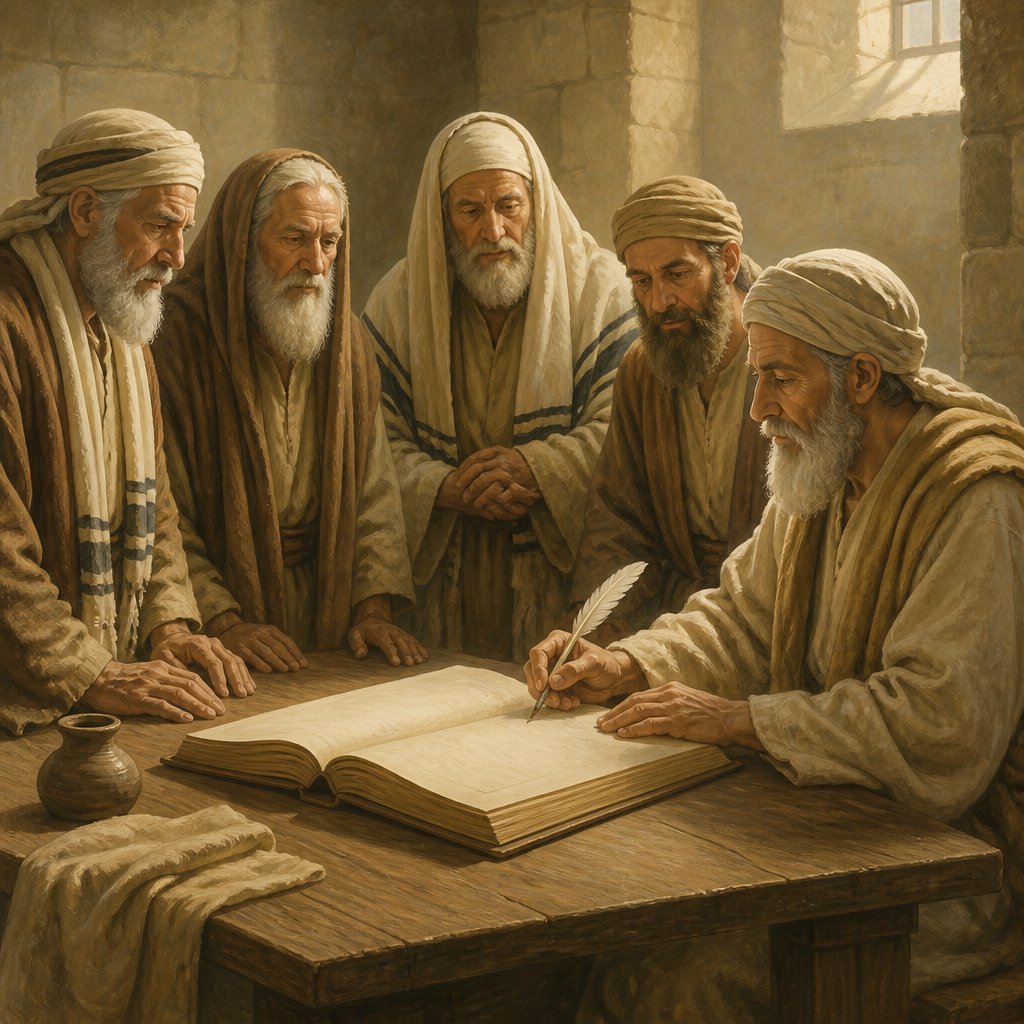
The Bible verse Nehemiah 12:23, as found in the King James Version, reads, "The sons of Levi, the chief of the fathers, were written in the book of the chronicles, even until the days of Johanan the son of Eliashib." At first glance, this verse may seem esoteric or difficult to understand, but upon closer examination, it reveals significant themes of perseverance, faithfulness, and the recording of history.
To fully understand the context of this verse, it is essential to have some background knowledge of the book of Nehemiah. Nehemiah was a Jewish leader who played a pivotal role in the rebuilding of the walls of Jerusalem after the Babylonian captivity. The book of Nehemiah chronicles the efforts of Nehemiah and the returned exiles to rebuild the city and restore the worship of God. Chapter 12 specifically deals with the dedication of the wall of Jerusalem and the organization of the priests and Levites.
The verse in question, Nehemiah 12:23, stands as a testament to the faithfulness and dedication of the sons of Levi, who were charged with overseeing the worship and sacrifices in the temple. It highlights the meticulous recording of the lineage and lineage of these leaders, ensuring that their names and deeds were preserved for future generations. This emphasis on record-keeping demonstrates the importance of remembering and honoring the legacy of those who have gone before, as well as the significance of one's actions in the grander narrative of God's plan.
One of the key themes present in this verse is that of perseverance and faithfulness. The sons of Levi were responsible for upholding the sacred traditions and rites of worship. Their commitment to their duties, as evidenced by the meticulous recording of their names and deeds, serves as a reminder of the importance of steadfastness in fulfilling one's calling or position. It also serves as an encouragement to modern-day believers to remain faithful in their service to God and to uphold the teachings and traditions of the faith.
Furthermore, the verse highlights the significance of the recording of history. The mention of the "book of the chronicles" alludes to the careful documentation of important events and individuals in the history of Israel. This act of recording serves to preserve the heritage and lineage of the people of God, emphasizing the importance of remembering the past and learning from it. In a broader sense, it also signifies the role of the Bible itself as a written record of God's interactions with humanity and the unfolding of His plan of redemption.
The symbolism in this verse lies in the idea of the book of the chronicles. It represents the recording and preservation of the history and lineage of the Israelites. This symbolism points to the importance of remembering and honoring the past, as well as the faithfulness and perseverance of those who came before. It also symbolizes the faithfulness and consistency of God in maintaining His covenant with His people throughout history.
In conclusion, Nehemiah 12:23 serves as a testament to the faithfulness, perseverance, and historical significance of the sons of Levi. It reminds believers of the importance of remaining steadfast in their service to God and upholding the traditions of the faith. It also underlines the significance of recording and preserving history, both in a personal and communal sense. Ultimately, this verse serves as a valuable reminder of the timeless truths and enduring legacy found within the pages of the Bible.
Have questions about Nehemiah 12:23?
Dive deeper into this scripture with Bible Chat — an AI-powered tool for exploring God's Word through conversation. Ask questions, get context, and grow in your understanding of the Bible.
Get Our Apps


Nehemiah 12:23 Artwork

Nehemiah 12:23 - "The sons of Levi, the chief of the fathers, were written in the book of the chronicles, even until the days of Johanan the son of Eliashib."
"The sons of Levi, the chief of the fathers, were written in the book of the chronicles, even until the days of Johanan the son of Eliashib." - Nehemiah 12:23

Genesis 1:2 3

Nehemiah 10:23 - "Hoshea, Hananiah, Hashub,"

Nehemiah 7:23 - "The children of Bezai, three hundred twenty and four."

Nehemiah 12:26 - "These were in the days of Joiakim the son of Jeshua, the son of Jozadak, and in the days of Nehemiah the governor, and of Ezra the priest, the scribe."

"Hoshea, Hananiah, Hashub," - Nehemiah 10:23

Nehemiah 12:5 - "Miamin, Maadiah, Bilgah,"

Nehemiah 12:33 - "And Azariah, Ezra, and Meshullam,"

Nehemiah 12:4 - "Iddo, Ginnetho, Abijah,"

Nehemiah 12:2 - "Amariah, Malluch, Hattush,"

Nehemiah 12:3 - "Shechaniah, Rehum, Meremoth,"

Nehemiah 10:12 - "Zaccur, Sherebiah, Shebaniah,"

Nehemiah 12:6 - "Shemaiah, and Joiarib, Jedaiah,"

Nehemiah 12:12 - "And in the days of Joiakim were priests, the chief of the fathers: of Seraiah, Meraiah; of Jeremiah, Hananiah;"

Nehemiah 12:13 - "Of Ezra, Meshullam; of Amariah, Jehohanan;"

Nehemiah 12:16 - "Of Iddo, Zechariah; of Ginnethon, Meshullam;"

Nehemiah 12:20 - "Of Sallai, Kallai; of Amok, Eber;"

Nehemiah 12:19 - "And of Joiarib, Mattenai; of Jedaiah, Uzzi;"

Nehemiah 12:34 - "Judah, and Benjamin, and Shemaiah, and Jeremiah,"

Nehemiah 12:15 - "Of Harim, Adna; of Meraioth, Helkai;"

Nehemiah 12:18 - "Of Bilgah, Shammua; of Shemaiah, Jehonathan;"

Nehemiah 12:21 - "Of Hilkiah, Hashabiah; of Jedaiah, Nethaneel."

Nehemiah 12:14 - "Of Melicu, Jonathan; of Shebaniah, Joseph;"

Nehemiah 12:17 - "Of Abijah, Zichri; of Miniamin, of Moadiah, Piltai;"

Nehemiah 12:11 - "And Joiada begat Jonathan, and Jonathan begat Jaddua."

Nehemiah 11:23 - "For it was the king's commandment concerning them, that a certain portion should be for the singers, due for every day."

Nehemiah 7:12 - "The children of Elam, a thousand two hundred fifty and four."

Nehemiah 12:32 - "And after them went Hoshaiah, and half of the princes of Judah,"

Nehemiah 13:23 - "¶ In those days also saw I Jews that had married wives of Ashdod, of Ammon, and of Moab:"