What does Nehemiah 12:21 mean?
"Of Hilkiah, Hashabiah; of Jedaiah, Nethaneel." - Nehemiah 12:21
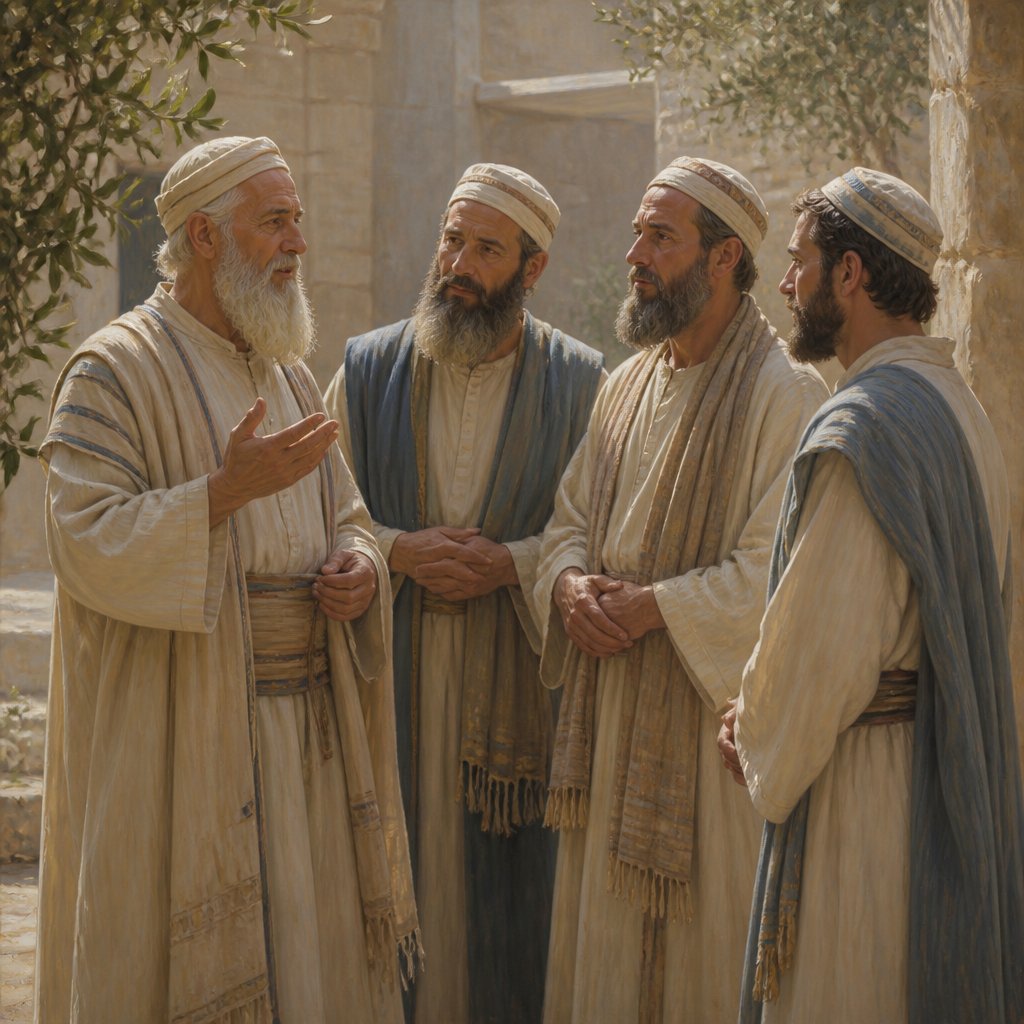
The Bible verse Nehemiah 12:21 in the King James Version (KJV) states: "Of Hilkiah, Hashabiah; of Jedaiah, Nethaneel." At first glance, this verse may seem obscure and difficult to decipher, but when placed within the proper context of the Book of Nehemiah and the biblical narrative as a whole, its significance becomes clearer.
Nehemiah is a book in the Old Testament that tells the story of Nehemiah, a Jewish man who served as the cupbearer to King Artaxerxes I of Persia. In the time of Nehemiah, the Jewish people had been exiled from Jerusalem and were living in Babylon. Nehemiah received news about the dire state of Jerusalem's walls and gates, and he felt a strong calling from God to go and rebuild them. With the blessing of King Artaxerxes, Nehemiah traveled to Jerusalem and led the people in the monumental task of rebuilding the city's defenses.
The verse Nehemiah 12:21 falls within a chapter that lists the priests and Levites who returned to Jerusalem after the exile in Babylon. This list demonstrates the importance of the priesthood in the restoration and reestablishment of Jerusalem as a center for worship and spiritual life. The specific names mentioned in the verse, Hilkiah, Hashabiah, Jedaiah, and Nethaneel, are all individuals who played a significant role in the religious leadership and service of the Jewish community. Their inclusion in this list highlights the importance of their contributions to the religious revival that took place during Nehemiah's time.
One of the underlying themes in the book of Nehemiah is the faithfulness and sovereignty of God. Throughout the narrative, Nehemiah demonstrates unwavering faith in God's guidance and protection as he leads the people in the monumental task of rebuilding Jerusalem. The inclusion of the names of these priests and Levites in the list serves as a reminder of God's faithfulness to His people and His continued work through the ordained leadership within the community.
Furthermore, the genealogical record in Nehemiah 12 serves as a symbol of the continuity and preservation of the priestly line. The preservation of lineage was a crucial aspect of Jewish identity and religious practice, as the priests and Levites played a central role in the rituals and observances of the Law. By meticulously recording the names of these religious leaders, the biblical author emphasizes the importance of preserving the heritage and traditions of the priesthood.
In a broader sense, the verse Nehemiah 12:21 also underscores the significance of community and collaboration in the work of God. The priests and Levites mentioned in the verse were not acting as individuals but were part of a collective effort to restore Jerusalem and its religious life. Their respective roles and responsibilities within the community were essential for the spiritual welfare of the people. This theme of communal participation in God's work resonates with the overall message of the book of Nehemiah, which emphasizes the unity and cooperation of the people in fulfilling God's purposes.
In conclusion, Nehemiah 12:21 may appear as a simple genealogical listing at first glance, but when examined in the context of the book of Nehemiah and the broader biblical narrative, it carries deep significance. The verse serves as a reminder of God's faithfulness, the preservation of priestly lineage, and the importance of communal participation in fulfilling God's purposes. As readers of the Bible, we can draw inspiration from the dedication and service of these priests and Levites, recognizing the value of collaborative efforts in advancing God's kingdom.
Have questions about Nehemiah 12:21?
Dive deeper into this scripture with Bible Chat — an AI-powered tool for exploring God's Word through conversation. Ask questions, get context, and grow in your understanding of the Bible.
Get Our Apps


Nehemiah 12:21 Artwork

Nehemiah 12:21 - "Of Hilkiah, Hashabiah; of Jedaiah, Nethaneel."
"Of Hilkiah, Hashabiah; of Jedaiah, Nethaneel." - Nehemiah 12:21

Matthew 2:1-2

Genesis 2:1-2

Genesis 2:1-2

Nehemiah 10:21 - "Meshezabeel, Zadok, Jaddua,"

Nehemiah 7:21 - "The children of Ater of Hezekiah, ninety and eight."

Nehemiah 12:26 - "These were in the days of Joiakim the son of Jeshua, the son of Jozadak, and in the days of Nehemiah the governor, and of Ezra the priest, the scribe."

Nehemiah 12:33 - "And Azariah, Ezra, and Meshullam,"

Nehemiah 12:5 - "Miamin, Maadiah, Bilgah,"

Nehemiah 12:2 - "Amariah, Malluch, Hattush,"

Nehemiah 12:4 - "Iddo, Ginnetho, Abijah,"

Nehemiah 12:3 - "Shechaniah, Rehum, Meremoth,"

Nehemiah 10:12 - "Zaccur, Sherebiah, Shebaniah,"

Nehemiah 12:6 - "Shemaiah, and Joiarib, Jedaiah,"

Nehemiah 12:12 - "And in the days of Joiakim were priests, the chief of the fathers: of Seraiah, Meraiah; of Jeremiah, Hananiah;"

Nehemiah 12:16 - "Of Iddo, Zechariah; of Ginnethon, Meshullam;"

Nehemiah 12:13 - "Of Ezra, Meshullam; of Amariah, Jehohanan;"

Nehemiah 12:20 - "Of Sallai, Kallai; of Amok, Eber;"

"Meshezabeel, Zadok, Jaddua," - Nehemiah 10:21

Nehemiah 12:19 - "And of Joiarib, Mattenai; of Jedaiah, Uzzi;"

Nehemiah 12:34 - "Judah, and Benjamin, and Shemaiah, and Jeremiah,"

Nehemiah 12:15 - "Of Harim, Adna; of Meraioth, Helkai;"

Nehemiah 12:18 - "Of Bilgah, Shammua; of Shemaiah, Jehonathan;"

Nehemiah 12:14 - "Of Melicu, Jonathan; of Shebaniah, Joseph;"

Nehemiah 11:21 - "But the Nethinims dwelt in Ophel: and Ziha and Gispa were over the Nethinims."

Nehemiah 12:17 - "Of Abijah, Zichri; of Miniamin, of Moadiah, Piltai;"

Nehemiah 12:11 - "And Joiada begat Jonathan, and Jonathan begat Jaddua."

Nehemiah 7:12 - "The children of Elam, a thousand two hundred fifty and four."

Nehemiah 12:32 - "And after them went Hoshaiah, and half of the princes of Judah,"