What does Nehemiah 12:10 mean?
"¶ And Jeshua begat Joiakim, Joiakim also begat Eliashib, and Eliashib begat Joiada," - Nehemiah 12:10
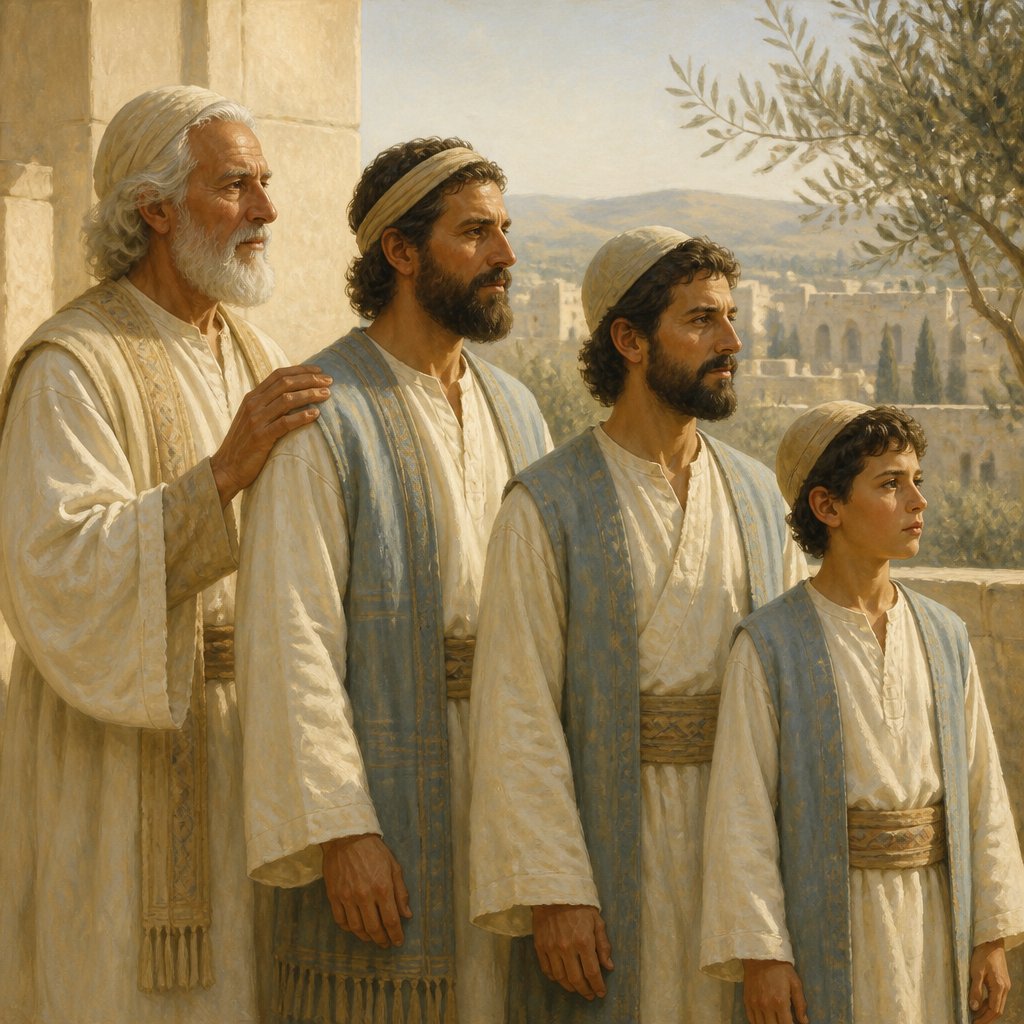
Nehemiah 12:10 (KJV) mentions, "...and his brethren, Shemaiah, and Azarael, Milalai, Gilalai, Maai, Nethaneel, and Judah, Hanani, with the musical instruments of David the man of God, and Ezra the scribe before them." This verse is part of the book of Nehemiah, which is named after its main character. Nehemiah was a Jewish leader who played a crucial role in the rebuilding of Jerusalem and the restoration of the Jewish community after the Babylonian exile.
The book of Nehemiah is set in the 5th century BCE, during the time when the Jewish people were allowed to return to Jerusalem after being exiled to Babylon. Nehemiah served as a cupbearer to King Artaxerxes I of Persia, and he received permission from the king to lead a group of exiles back to Jerusalem to rebuild its walls and restore its infrastructure. The book describes the challenges and opposition Nehemiah faced in carrying out this task, as well as the spiritual revival that took place among the Jewish people.
In this particular verse, Nehemiah 12:10, the focus is on a group of individuals who were involved in leading the procession that marked the dedication of the restored walls of Jerusalem. These individuals are listed along with the musical instruments of David and Ezra the scribe who led the procession. This verse is part of a larger passage that describes the organization of the procession, which involved priests, Levites, and other leaders from the community.
One possible theme in this verse is the importance of music and worship in the life of the Jewish community. The mention of the "musical instruments of David" points to the significant role that music played in the religious rituals and ceremonies of the Jewish people. Music was an integral part of the worship in the temple, and it was used to praise and honor God. In this context, the mention of the musical instruments of David and Ezra the scribe before them highlights the significance of these individuals in leading the people in worship and celebration.
Another theme that can be derived from this verse is the idea of communal celebration and dedication. The dedication of the restored walls of Jerusalem was a momentous occasion for the Jewish community, and it was marked with great pomp and ceremony. The involvement of various individuals from the community, including priests, Levites, musicians, and leaders, underscores the communal nature of the event. This emphasizes the idea that the restoration of Jerusalem was not the work of one individual, but the result of collective effort and commitment.
The verse also signifies the continuity of tradition and the connection to the past. The mention of the musical instruments of David the man of God and Ezra the scribe before them reflects the reverence the Jewish people had for their history and heritage. David, the legendary king of Israel, was known for his musical talents and his close relationship with God. Ezra, on the other hand, was a scribe and a key figure in the preservation and interpretation of the Jewish law. By mentioning their names and their instruments, the verse acknowledges the importance of honoring and perpetuating the traditions and teachings of these revered figures.
Symbolism can also be found in this verse. The musical instruments of David and the presence of Ezra the scribe can be seen as symbols of spiritual leadership and guidance. Music has always been associated with a spiritual and emotional connection to the divine, and the reference to David's instruments suggests that the music played during the dedication ceremony was not just for entertainment but as a means of connecting with God. Similarly, the presence of Ezra as the scribe signifies the importance of the written word and the authority of the Scriptures in the life of the Jewish community.
In conclusion, Nehemiah 12:10 is a verse that captures the spirit of communal celebration, the significance of tradition, and the importance of music and worship in the life of the Jewish community. It reflects the sense of unity and shared purpose that characterized the dedication of the restored walls of Jerusalem and illustrates the deep spiritual and cultural connections that were central to the identity of the Jewish people.
Have questions about Nehemiah 12:10?
Dive deeper into this scripture with Bible Chat — an AI-powered tool for exploring God's Word through conversation. Ask questions, get context, and grow in your understanding of the Bible.
Get Our Apps


Nehemiah 12:10 Artwork

Nehemiah 12:10 - "¶ And Jeshua begat Joiakim, Joiakim also begat Eliashib, and Eliashib begat Joiada,"

"¶ And Jeshua begat Joiakim, Joiakim also begat Eliashib, and Eliashib begat Joiada," - Nehemiah 12:10

Nehemiah 10:12 - "Zaccur, Sherebiah, Shebaniah,"

"Zaccur, Sherebiah, Shebaniah," - Nehemiah 10:12

Nehemiah 10:1 - "Now those that sealed were, Nehemiah, the Tirshatha, the son of Hachaliah, and Zidkijah,"

Nehemiah 10:10 - "And their brethren, Shebaniah, Hodijah, Kelita, Pelaiah, Hanan,"

Nehemiah 8:10

Nehemiah 12:26 - "These were in the days of Joiakim the son of Jeshua, the son of Jozadak, and in the days of Nehemiah the governor, and of Ezra the priest, the scribe."

Nehemiah 8:10

Nehemiah 8:10

Nehemiah 12:5 - "Miamin, Maadiah, Bilgah,"

Nehemiah 12:33 - "And Azariah, Ezra, and Meshullam,"

Nehemiah 12:4 - "Iddo, Ginnetho, Abijah,"

Nehemiah 12:2 - "Amariah, Malluch, Hattush,"

Nehemiah 12:3 - "Shechaniah, Rehum, Meremoth,"

Nehemiah 12:6 - "Shemaiah, and Joiarib, Jedaiah,"

Nehemiah 10:24 - "Hallohesh, Pileha, Shobek,"

Nehemiah 10:22 - "Pelatiah, Hanan, Anaiah,"

Nehemiah 10:5 - "Harim, Meremoth, Obadiah,"

Nehemiah 10:23 - "Hoshea, Hananiah, Hashub,"

Nehemiah 10:21 - "Meshezabeel, Zadok, Jaddua,"

Nehemiah 10:7 - "Meshullam, Abijah, Mijamin,"

Nehemiah 10:11 - "Micha, Rehob, Hashabiah,"

Nehemiah 10:27 - "Malluch, Harim, Baanah."

Nehemiah 10:25 - "Rehum, Hashabnah, Maaseiah,"

Nehemiah 10:19 - "Hariph, Anathoth, Nebai,"

Nehemiah 10:6 - "Daniel, Ginnethon, Baruch,"

Nehemiah 12:12 - "And in the days of Joiakim were priests, the chief of the fathers: of Seraiah, Meraiah; of Jeremiah, Hananiah;"

Nehemiah 10:26 - "And Ahijah, Hanan, Anan,"

Nehemiah 10:16 - "Adonijah, Bigvai, Adin,"