What does Nehemiah 11:6 mean?
"All the sons of Perez that dwelt at Jerusalem were four hundred threescore and eight valiant men." - Nehemiah 11:6
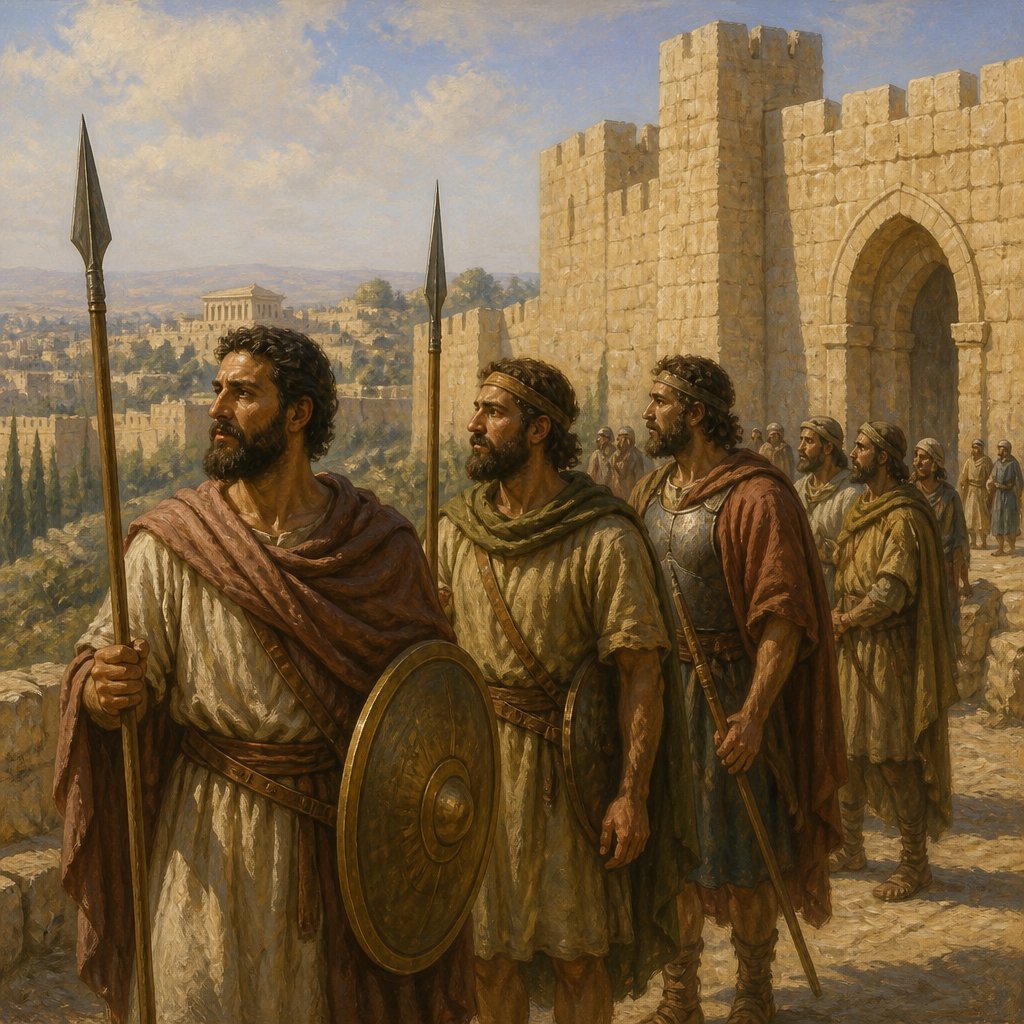
Nehemiah 11:6 (KJV): "All the sons of Perez that dwelt at Jerusalem were four hundred threescore and eight valiant men."
The book of Nehemiah in the Old Testament is a historical account of the rebuilding of the walls of Jerusalem and the restoration of the city of Jerusalem after the Babylonian captivity. Chapter 11 specifically details the repopulation of Jerusalem after the walls were rebuilt. The verse in question gives us a specific number of men who were descended from Perez and resided in Jerusalem.
The significance of the verse lies in the emphasis on the valiant men who were descended from Perez. The mention of their valiance may be a reminder of the importance of courage, strength, and valor in the face of the challenges that the people of Jerusalem had to face. These men were not just residents of Jerusalem, but they were valiant, indicating that they were ready and able to defend their city and their people if necessary.
In a broader context, the verse may also be seen as a reflection of the importance of lineage and ancestry in the Old Testament. The descendants of Perez were considered to be valiant men, which may have been seen as a reflection of the character and virtues of their ancestors. This emphasis on lineage and ancestry is a recurring theme in the Old Testament, as genealogies and family histories were highly valued and played a significant role in the social and religious identity of the people.
Furthermore, the number "four hundred threescore and eight" is also significant. In the Old Testament, numbers often carry symbolic meanings. The number 4 is often associated with the earth or the material world, while the number 8 is associated with new beginnings or resurrection. The combination of these numbers may suggest the completeness and fullness of the valiant men who were descended from Perez. It may also signify the strength and stability of the community in Jerusalem, as they had a significant number of valiant men to protect and defend the city.
Symbolically, the verse can also be interpreted as a representation of the strength and resilience of the people of Jerusalem. After the devastation of the Babylonian captivity, the city of Jerusalem was in ruins, and its inhabitants faced numerous challenges and threats. The mention of the valiant men descended from Perez emphasizes the determination and bravery of the people, as they sought to rebuild and fortify their city.
In conclusion, Nehemiah 11:6 (KJV) provides us with a glimpse into the repopulation of Jerusalem and the emphasis on the valiant men who were descended from Perez. The verse reflects the importance of courage, strength, and lineage in the Old Testament, and it can be interpreted as a symbol of the resilience and determination of the people of Jerusalem. In a broader context, the verse also carries symbolic meanings through the numbers mentioned, emphasizing the completeness and stability of the community.
Have questions about Nehemiah 11:6?
Dive deeper into this scripture with Bible Chat — an AI-powered tool for exploring God's Word through conversation. Ask questions, get context, and grow in your understanding of the Bible.
Get Our Apps


Nehemiah 11:6 Artwork

Nehemiah 11:6 - "All the sons of Perez that dwelt at Jerusalem were four hundred threescore and eight valiant men."
"All the sons of Perez that dwelt at Jerusalem were four hundred threescore and eight valiant men." - Nehemiah 11:6
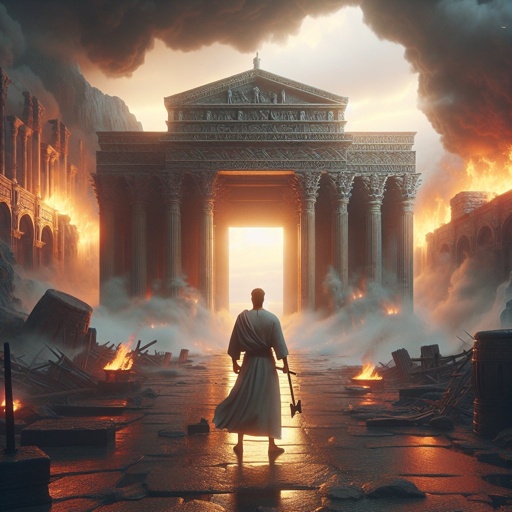
Nehemiah 6:11 - "And I said, Should such a man as I flee? and who is there, that, being as I am, would go into the temple to save his life? I will not go in."

Nehemiah 11:11-14

Nehemiah 11:13

Nehemiah 11:1-19

Nehemiah 4:6

Nehemiah 4:6

Nehemiah 4:6

Nehemiah 6:9

Nehemiah 11:34 - "Hadid, Zeboim, Neballat,"

Nehemiah 10:11 - "Micha, Rehob, Hashabiah,"

Nehemiah 11:33 - "Hazor, Ramah, Gittaim,"

Nehemiah 11:32 - "And at Anathoth, Nob, Ananiah,"

Nehemiah 11:26 - "And at Jeshua, and at Moladah, and at Beth-phelet,"

Nehemiah 11:29 - "And at En-rimmon, and at Zareah, and at Jarmuth,"

Nehemiah 10:6 - "Daniel, Ginnethon, Baruch,"

Nehemiah 11:35 - "Lod, and Ono, the valley of craftsmen."

Nehemiah 11:28 - "And at Ziklag, and at Mekonah, and in the villages thereof,"

Nehemiah 12:6 - "Shemaiah, and Joiarib, Jedaiah,"
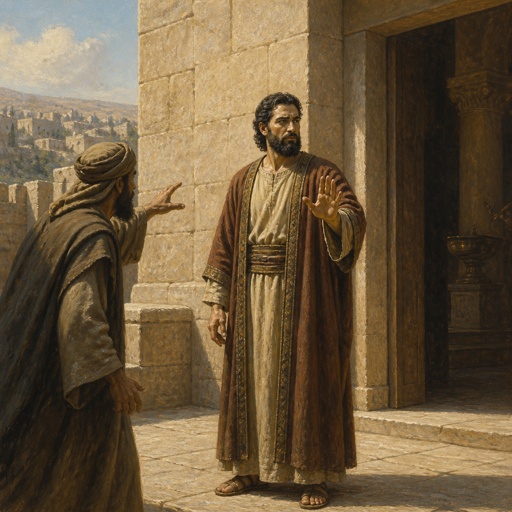
"And I said, Should such a man as I flee? and who is there, that, being as I am, would go into the temple to save his life? I will not go in." - Nehemiah 6:11

Nehemiah 11:36 - "And of the Levites were divisions in Judah, and in Benjamin."

Nehemiah 11:10 - "Of the priests: Jedaiah the son of Joiarib, Jachin."

Nehemiah 12:11 - "And Joiada begat Jonathan, and Jonathan begat Jaddua."

Nehemiah 11:27 - "And at Hazar-shual, and at Beer-sheba, and in the villages thereof,"

Nehemiah 2:11 - "So I came to Jerusalem, and was there three days."

Nehemiah 11:11 - "Seraiah the son of Hilkiah, the son of Meshullam, the son of Zadok, the son of Meraioth, the son of Ahitub, was the ruler of the house of God."

"And at Anathoth, Nob, Ananiah," - Nehemiah 11:32

"Hadid, Zeboim, Neballat," - Nehemiah 11:34

"Hazor, Ramah, Gittaim," - Nehemiah 11:33