What does Nehemiah 11:15 mean?
"Also of the Levites: Shemaiah the son of Hashub, the son of Azrikam, the son of Hashabiah, the son of Bunni;" - Nehemiah 11:15
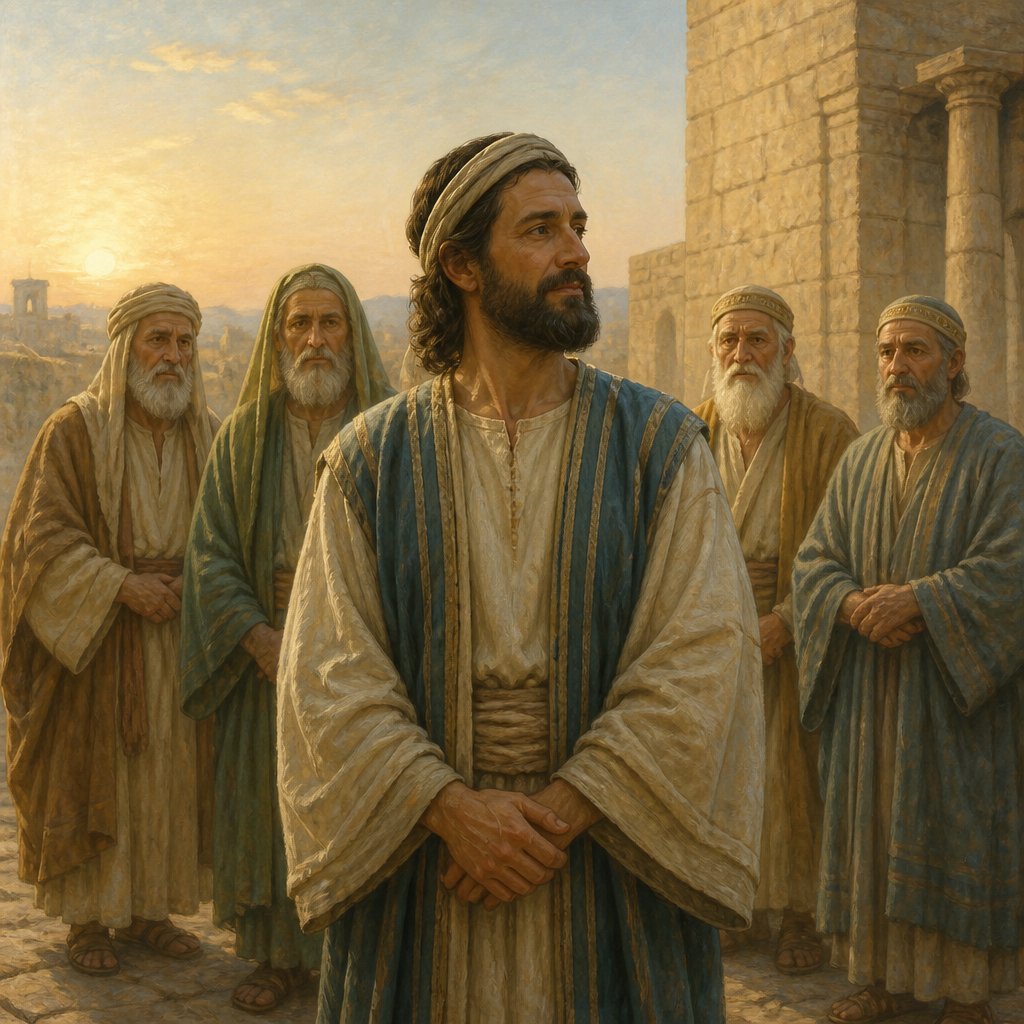
Nehemiah 11:15 (KJV) states: "Also of the Levites: Shemaiah the son of Hashub, the son of Azrikam, the son of Hashabiah, the son of Bunni."
The book of Nehemiah is set in the 5th century BC and tells the story of Nehemiah, a Jewish leader who returns to Jerusalem to help rebuild the city. In this particular verse, the focus is on the Levites, who were a designated tribe within the Jewish community responsible for religious duties and upholding the laws of the Torah. The verse lists the lineage of Shemaiah, a Levite, tracing his ancestry back through several generations.
This verse may seem insignificant at first glance, merely listing a genealogy. However, within the context of the book of Nehemiah and the broader themes of the Bible, this verse carries important symbolism and significance.
One of the key themes of the book of Nehemiah is the restoration and revitalization of Jerusalem. The city had been destroyed, and its people were scattered. Nehemiah's mission was to rally the people to rebuild the city's walls and reestablish the Jewish community. The inclusion of Shemaiah's lineage in this verse serves as a reminder of the continuity and lineage of the Levites, who played a crucial role in the religious life of the community. Their lineage represents the continuity of the Jewish faith and the significance of their role in maintaining the religious traditions and practices.
Furthermore, the genealogy in this verse reflects the broader theme of heritage and lineage within the Bible. Throughout the Old Testament, genealogies are frequently used to establish identity, heritage, and legitimacy. The detailed listing of Shemaiah's ancestry serves to connect him to his ancestors and establish his place within the Levitical line, affirming his authority and status within the community.
The verse also highlights the value and importance of the Levites within the Jewish community. As custodians of the religious traditions and practices, the Levites played a crucial role in maintaining the spiritual life of the community. By listing Shemaiah's lineage, the verse underscores the significance of the Levites and their contribution to the religious and cultural identity of the Jewish people.
Symbolically, this verse can also be seen as a reminder of the faithfulness and steadfastness of God throughout the generations. The preservation of Shemaiah's lineage reflects God's faithfulness to His covenant with the Jewish people and the continuity of His plan throughout history.
In conclusion, while Nehemiah 11:15 may appear to be a simple genealogical listing, it carries important themes and symbolism within the broader context of the Bible. It serves to affirm the significance of the Levites, underline the continuity of the Jewish faith, and reflect God's faithfulness throughout the generations. As such, this verse is a testament to the enduring legacy of faith and the importance of heritage within the biblical narrative.
Have questions about Nehemiah 11:15?
Dive deeper into this scripture with Bible Chat — an AI-powered tool for exploring God's Word through conversation. Ask questions, get context, and grow in your understanding of the Bible.
Get Our Apps


Nehemiah 11:15 Artwork

Nehemiah 11:15 - "Also of the Levites: Shemaiah the son of Hashub, the son of Azrikam, the son of Hashabiah, the son of Bunni;"
"Also of the Levites: Shemaiah the son of Hashub, the son of Azrikam, the son of Hashabiah, the son of Bunni;" - Nehemiah 11:15

Nehemiah 11:11-14

Nehemiah 11:13

Nehemiah 11:1-19

Nehemiah 10:15 - "Bunni, Azgad, Bebai,"

Nehemiah 11:34 - "Hadid, Zeboim, Neballat,"

Nehemiah 10:11 - "Micha, Rehob, Hashabiah,"

Nehemiah 12:15 - "Of Harim, Adna; of Meraioth, Helkai;"

Nehemiah 11:33 - "Hazor, Ramah, Gittaim,"

Nehemiah 11:32 - "And at Anathoth, Nob, Ananiah,"

Nehemiah 11:26 - "And at Jeshua, and at Moladah, and at Beth-phelet,"

Nehemiah 11:29 - "And at En-rimmon, and at Zareah, and at Jarmuth,"

Nehemiah 11:35 - "Lod, and Ono, the valley of craftsmen."

Nehemiah 11:28 - "And at Ziklag, and at Mekonah, and in the villages thereof,"

Nehemiah 7:15 - "The children of Binnui, six hundred forty and eight."

Nehemiah 11:36 - "And of the Levites were divisions in Judah, and in Benjamin."

Nehemiah 11:10 - "Of the priests: Jedaiah the son of Joiarib, Jachin."

Nehemiah 12:11 - "And Joiada begat Jonathan, and Jonathan begat Jaddua."
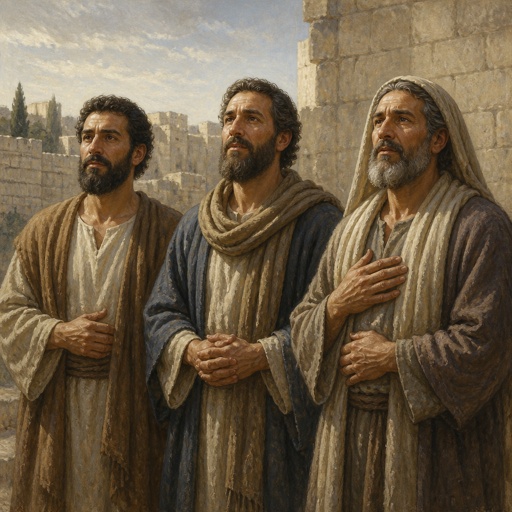
"Bunni, Azgad, Bebai," - Nehemiah 10:15

Nehemiah 11:27 - "And at Hazar-shual, and at Beer-sheba, and in the villages thereof,"

Nehemiah 2:11 - "So I came to Jerusalem, and was there three days."

Nehemiah 11:11 - "Seraiah the son of Hilkiah, the son of Meshullam, the son of Zadok, the son of Meraioth, the son of Ahitub, was the ruler of the house of God."

Nehemiah 6:15 – "So the wall was completed on the twenty-fifth of Elul, in fifty-two days."
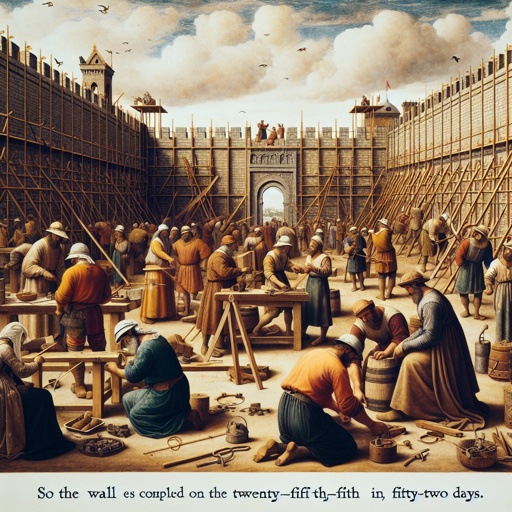
Nehemiah 6:15 – "So the wall was completed on the twenty-fifth of Elul, in fifty-two days."

"And at Anathoth, Nob, Ananiah," - Nehemiah 11:32

John 1:1-5

John 1:1-5

"Hadid, Zeboim, Neballat," - Nehemiah 11:34

"Hazor, Ramah, Gittaim," - Nehemiah 11:33