What does Nehemiah 10:39 mean?
"For the children of Israel and the children of Levi shall bring the offering of the corn, of the new wine, and the oil, unto the chambers, where are the vessels of the sanctuary, and the priests that minister, and the porters, and the singers: and we will not forsake the house of our God." - Nehemiah 10:39
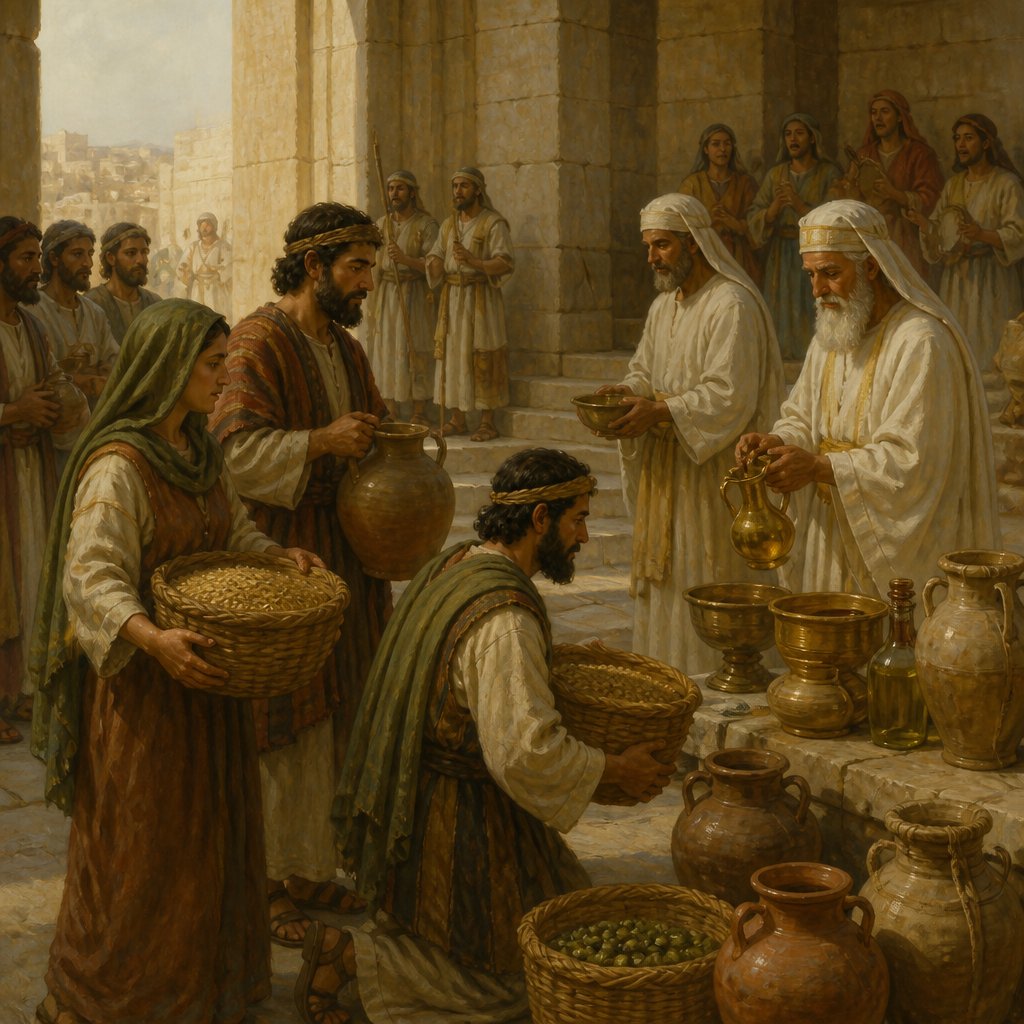
Nehemiah 10:39 from the King James Version of the Bible reads, "For the children of Israel and the children of Levi shall bring the offering of the corn, of the new wine, and the oil, unto the chambers, where are the vessels of the sanctuary, and the priests that minister, and the porters, and the singers: and we will not forsake the house of our God."
This passage comes from the book of Nehemiah, which documents the efforts to restore and rebuild Jerusalem after the Israelites returned from exile in Babylon. The verse is part of a covenant that the people of Israel made with God to faithfully follow his commandments and laws. In the preceding verses, the Israelites had committed to various offerings, including the firstfruits of their produce and livestock, as well as the tithe, to support the work of the priests and Levites in the temple.
The verse reflects the people's commitment to provide for the needs of the temple and its servants, as well as their determination to maintain the sanctity of the house of God. It underscores their devotion to God and their understanding of their duty to support the worship and service of the Lord.
One of the key themes in this passage is the concept of faithfulness and obedience to God. The Israelites' commitment to bring offerings of the firstfruits of their produce demonstrates their trust in God as their provider and their desire to honor him with their resources. In doing so, they acknowledge God as the source of their blessings and recognize the importance of giving back to Him.
Another important theme is the idea of communal responsibility and care for the house of God. The verse emphasizes the collective efforts of the children of Israel and the children of Levi to ensure that the needs of the temple, including the vessels, the priests, the porters, and the singers, are met. This underscores the importance of unity and cooperation within the community of believers and the shared responsibility to support the work of the Lord.
The passage also highlights the significance of the sanctuary and the worship of God. By bringing their offerings to the chambers where the vessels of the sanctuary are kept, the Israelites demonstrate their reverence for the sacred and their commitment to the maintenance of the temple. They recognize the importance of upholding the integrity of the place where God's presence dwells and the role of the priests, porters, and singers in facilitating worship and service.
In terms of context, it's important to consider the historical background of the book of Nehemiah. The Israelites had returned from exile and were facing the daunting task of rebuilding the walls of Jerusalem and restoring the city to its former glory. The people had strayed from God's commandments, leading to their exile, but now they were seeking to renew their covenant with Him and reestablish their commitment to His law.
Symbolically, the offerings of the corn, new wine, and oil represent the fruits of the land and the bounty that God had provided for His people. By bringing these offerings to the chambers of the sanctuary, the Israelites were acknowledging God's sovereignty and expressing their gratitude for His provision. The various roles mentioned in the verse, such as the priests, porters, and singers, symbolize the diverse gifts and ministries within the community of believers, each contributing to the worship and service of God.
In conclusion, Nehemiah 10:39 conveys a powerful message about faithfulness, communal responsibility, and reverence for the house of God. It serves as a reminder of the importance of honoring God with our resources and supporting the work of worship and service. The verse encapsulates the Israelites' commitment to uphold their covenant with God and their determination to prioritize the worship and sanctity of the temple. It also underscores the significance of unity and cooperation within the community of believers. This passage continues to inspire and challenge Christians today to faithfully serve and support the work of God's kingdom.
Have questions about Nehemiah 10:39?
Dive deeper into this scripture with Bible Chat — an AI-powered tool for exploring God's Word through conversation. Ask questions, get context, and grow in your understanding of the Bible.
Get Our Apps


Nehemiah 10:39 Artwork

Nehemiah 10:39 - "For the children of Israel and the children of Levi shall bring the offering of the corn, of the new wine, and the oil, unto the chambers, where are the vessels of the sanctuary, and the priests that minister, and the porters, and the singers: and we will not forsake the house of our God."
"For the children of Israel and the children of Levi shall bring the offering of the corn, of the new wine, and the oil, unto the chambers, where are the vessels of the sanctuary, and the priests that minister, and the porters, and the singers: and we will not forsake the house of our God." - Nehemiah 10:39

Nehemiah 7:39 - "¶ The priests: the children of Jedaiah, of the house of Jeshua, nine hundred seventy and three."

Nehemiah 10:1 - "Now those that sealed were, Nehemiah, the Tirshatha, the son of Hachaliah, and Zidkijah,"

Nehemiah 10:10 - "And their brethren, Shebaniah, Hodijah, Kelita, Pelaiah, Hanan,"

Nehemiah 8:10

Nehemiah 8:10

Nehemiah 8:10

Ezra 10:39 - "And Shelemiah, and Nathan, and Adaiah,"
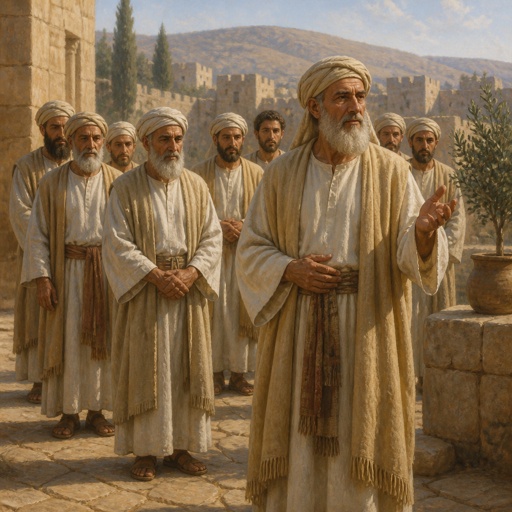
"¶ The priests: the children of Jedaiah, of the house of Jeshua, nine hundred seventy and three." - Nehemiah 7:39

Nehemiah 10:22 - "Pelatiah, Hanan, Anaiah,"

Nehemiah 10:24 - "Hallohesh, Pileha, Shobek,"

Nehemiah 10:5 - "Harim, Meremoth, Obadiah,"

Nehemiah 10:21 - "Meshezabeel, Zadok, Jaddua,"

Nehemiah 10:23 - "Hoshea, Hananiah, Hashub,"

Nehemiah 10:7 - "Meshullam, Abijah, Mijamin,"

Nehemiah 10:25 - "Rehum, Hashabnah, Maaseiah,"

Nehemiah 10:11 - "Micha, Rehob, Hashabiah,"

Nehemiah 10:27 - "Malluch, Harim, Baanah."

Nehemiah 10:19 - "Hariph, Anathoth, Nebai,"

Nehemiah 10:6 - "Daniel, Ginnethon, Baruch,"

Nehemiah 10:26 - "And Ahijah, Hanan, Anan,"

Nehemiah 10:16 - "Adonijah, Bigvai, Adin,"

Nehemiah 10:18 - "Hodijah, Hashum, Bezai,"

Nehemiah 10:4 - "Hattush, Shebaniah, Malluch,"

Nehemiah 10:2 - "Seraiah, Azariah, Jeremiah,"

Nehemiah 10:20 - "Magpiash, Meshullam, Hezir,"

Nehemiah 10:3 - "Pashur, Amariah, Malchijah,"

Nehemiah 10:17 - "Ater, Hizkijah, Azzur,"

Nehemiah 10:15 - "Bunni, Azgad, Bebai,"