What does Nehemiah 10:25 mean?
"Rehum, Hashabnah, Maaseiah," - Nehemiah 10:25
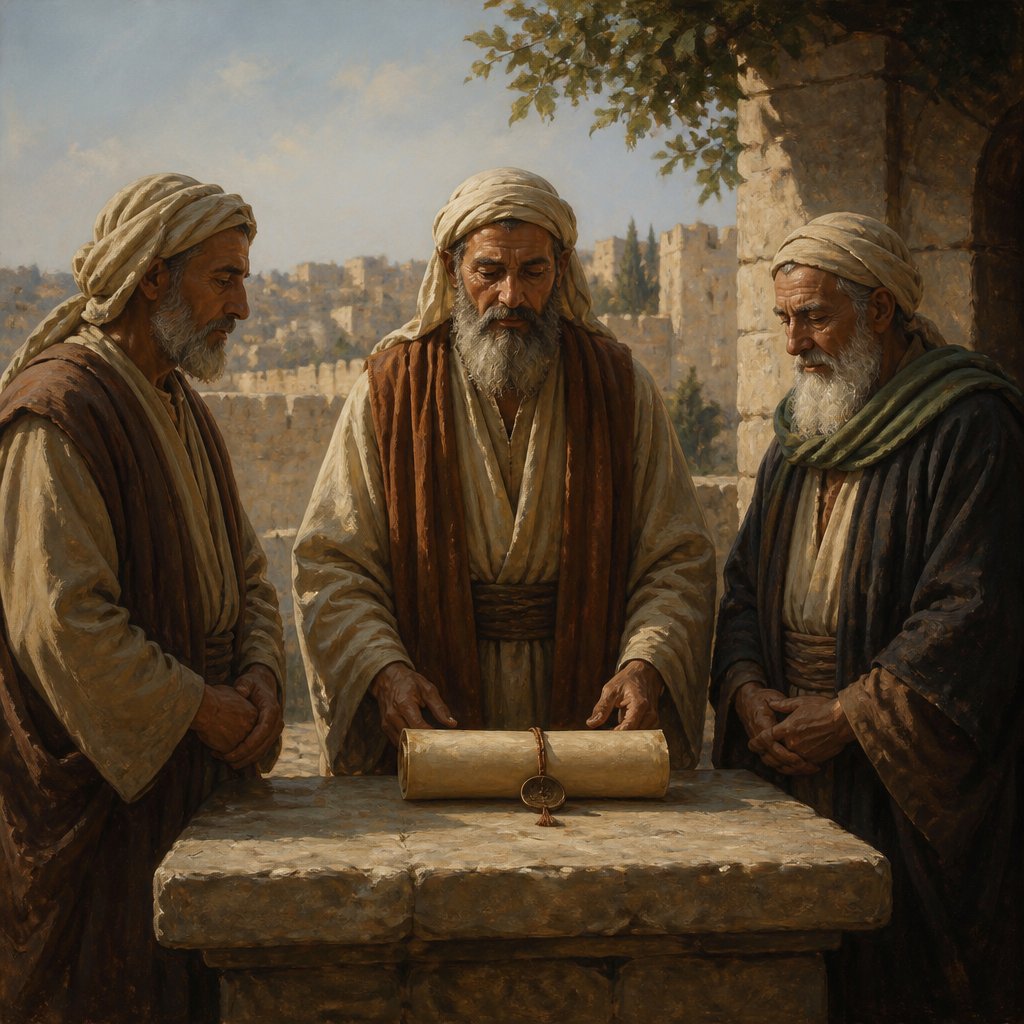
Nehemiah 10:25 (KJV) states: "And to bring the firstfruits of our ground, and the firstfruits of all fruit of all trees, year by year, unto the house of the Lord."
This verse, found in the Book of Nehemiah in the Old Testament, is part of a passage that details the commitment made by the people of Israel after they had returned to Jerusalem following their exile in Babylon. The context of this verse is important in understanding its meaning and significance. Nehemiah had been appointed as governor of Judah and had led the efforts to rebuild the wall of Jerusalem, which had been destroyed. In the process, he also sought to restore the spiritual and moral well-being of the people.
The verse specifically mentions the concept of bringing firstfruits to the house of the Lord. In the agricultural society of ancient Israel, the offering of firstfruits was an essential part of faith and worship. It was a way for the people to acknowledge God as the provider of their harvest and to express gratitude for His provision. In this verse, the people commit to bringing the firstfruits of their ground and the firstfruits of all fruit of all trees to the house of the Lord on an annual basis. This act of giving was significant not only in terms of the material support it provided for the temple and its workers, but also for the spiritual and symbolic meaning it held for the people.
The theme of faithfulness and obedience to God's commands is central to this verse. By committing to bring their firstfruits to the house of the Lord, the people were acknowledging God's sovereignty over all aspects of their lives, including their agricultural produce. The act of giving firstfruits was a tangible demonstration of their trust in God's provision and their willingness to prioritize their relationship with Him. It was a way for them to live out the principle of putting God first in all things, as taught in the commandments and wisdom literature of the Old Testament.
Additionally, the verse conveys the idea of stewardship and gratitude. The people understood that the land and its produce ultimately belonged to God, and they were called to manage and use these resources in a way that honored Him. By bringing the firstfruits to the house of the Lord, they were expressing their appreciation for His blessings and acknowledging His ownership of all they had. This practice was a tangible way for the people to demonstrate their faith and to participate in the ongoing work of the temple and its services.
Symbolically, the concept of firstfruits holds broader significance within the Christian faith. In the New Testament, Jesus is referred to as the "firstfruits of those who have fallen asleep" (1 Corinthians 15:20, ESV), connecting His resurrection to the Old Testament practice of offering the firstfruits. In this sense, the principle of firstfruits points to the redemptive work of Christ and the new life that He offers to those who believe in Him. The act of giving firstfruits becomes a reflection of the believer's gratitude for the gift of salvation and a symbol of their commitment to God.
Overall, Nehemiah 10:25 highlights the themes of faithfulness, obedience, stewardship, and gratitude. It underscores the importance of honoring God with the first and best of what we have, and it serves as a reminder of the enduring principles of worship and devotion found in the Old Testament. The verse challenges believers to consider how they prioritize their resources and to reflect on their willingness to give to God with a generous and thankful heart.
Have questions about Nehemiah 10:25?
Dive deeper into this scripture with Bible Chat — an AI-powered tool for exploring God's Word through conversation. Ask questions, get context, and grow in your understanding of the Bible.
Get Our Apps


Nehemiah 10:25 Artwork

Nehemiah 10:25 - "Rehum, Hashabnah, Maaseiah,"
"Rehum, Hashabnah, Maaseiah," - Nehemiah 10:25

Nehemiah 7:25 - "The children of Gibeon, ninety and five."

Nehemiah 10:1 - "Now those that sealed were, Nehemiah, the Tirshatha, the son of Hachaliah, and Zidkijah,"

Nehemiah 10:10 - "And their brethren, Shebaniah, Hodijah, Kelita, Pelaiah, Hanan,"

Nehemiah 8:10

Nehemiah 8:10

Nehemiah 8:10
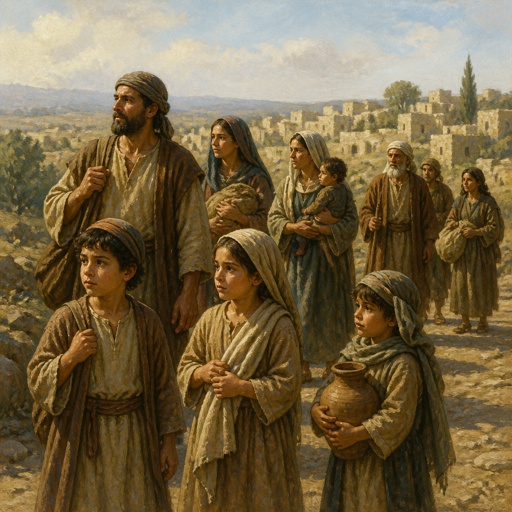
"The children of Gibeon, ninety and five." - Nehemiah 7:25

Nehemiah 10:22 - "Pelatiah, Hanan, Anaiah,"

Nehemiah 10:24 - "Hallohesh, Pileha, Shobek,"

Nehemiah 10:5 - "Harim, Meremoth, Obadiah,"

Nehemiah 10:21 - "Meshezabeel, Zadok, Jaddua,"

Nehemiah 10:23 - "Hoshea, Hananiah, Hashub,"

Nehemiah 10:7 - "Meshullam, Abijah, Mijamin,"

Nehemiah 10:11 - "Micha, Rehob, Hashabiah,"

Nehemiah 10:27 - "Malluch, Harim, Baanah."

Nehemiah 10:19 - "Hariph, Anathoth, Nebai,"

Nehemiah 10:6 - "Daniel, Ginnethon, Baruch,"

Nehemiah 10:26 - "And Ahijah, Hanan, Anan,"

Nehemiah 10:16 - "Adonijah, Bigvai, Adin,"

Nehemiah 10:18 - "Hodijah, Hashum, Bezai,"

Nehemiah 10:4 - "Hattush, Shebaniah, Malluch,"

Nehemiah 10:2 - "Seraiah, Azariah, Jeremiah,"

Nehemiah 10:20 - "Magpiash, Meshullam, Hezir,"

Nehemiah 10:3 - "Pashur, Amariah, Malchijah,"

Nehemiah 10:17 - "Ater, Hizkijah, Azzur,"

Nehemiah 10:15 - "Bunni, Azgad, Bebai,"

Nehemiah 10:13 - "Hodijah, Bani, Beninu."

Nehemiah 10:12 - "Zaccur, Sherebiah, Shebaniah,"