What does Nehemiah 10:15 mean?
"Bunni, Azgad, Bebai," - Nehemiah 10:15
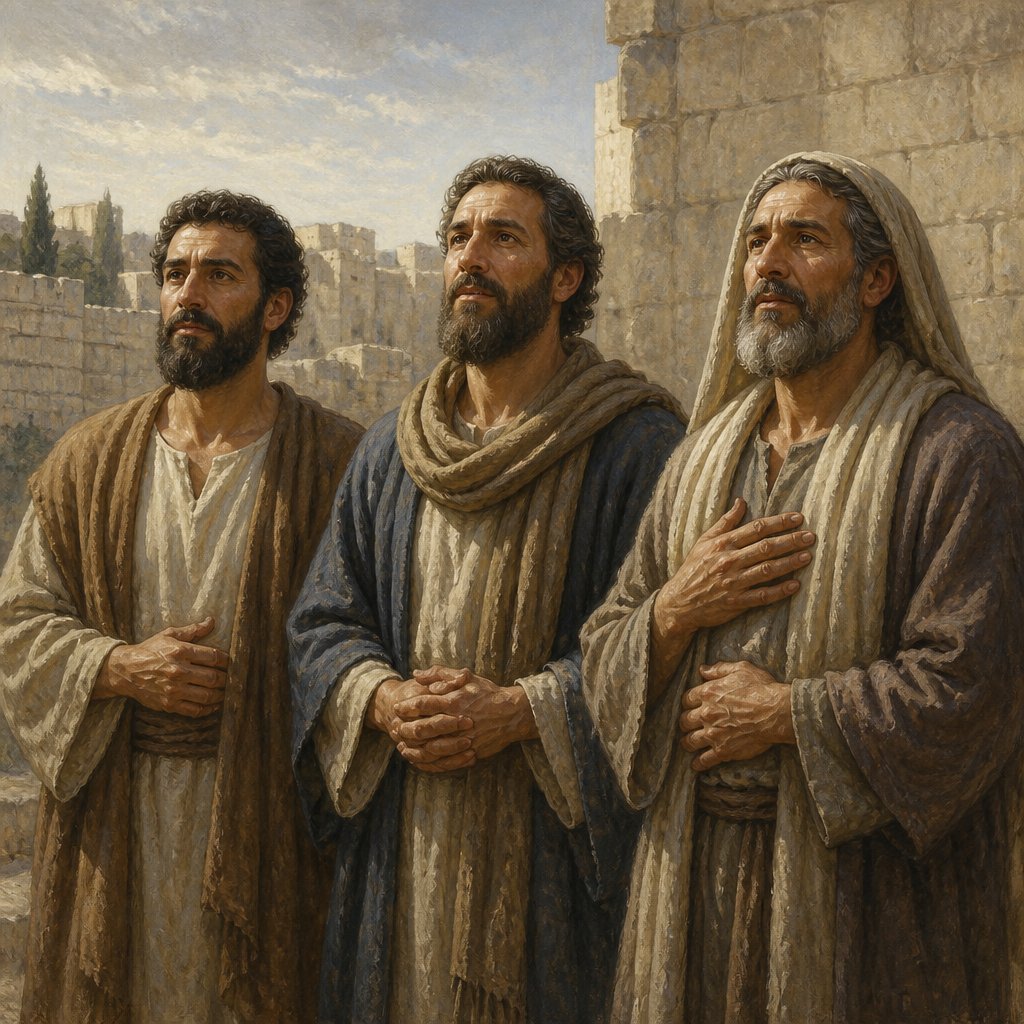
Nehemiah 10:15 in the King James Version of the Bible reads: "And that we would not give our daughters unto the people of the land, not take their daughters for our sons."
This verse is part of a larger passage in the book of Nehemiah, which follows the Israelites as they return to Jerusalem from exile in Babylon and work to rebuild the city and restore their faith in God. The chapter this verse is found in describes the people of Israel coming together to renew their commitment to God and his laws.
The verse is a reminder to the Israelites of the importance of maintaining their cultural and religious identity. It reflects a common theme in the Old Testament, which emphasizes the need for the Israelites to remain separate from other nations and to uphold the laws and traditions outlined in the Torah.
The context of this verse is significant in understanding its meaning. At the time of its writing, the Israelites had returned to Jerusalem and were rebuilding their city and temple. They were also recommitting themselves to following God's laws, which they had neglected during their time in exile.
The verse addresses the issue of intermarriage with the people of the land. It was common at the time for people from different cultures to intermarry, but the Israelites were instructed to avoid this practice in order to preserve their identity as God's chosen people. This was a way for them to remain committed to God and his laws, and to avoid the potential for idolatry and other forms of spiritual compromise that could come from intermarrying with those who did not share their faith.
The symbolism of this verse is found in the idea of preserving cultural and religious identity. It serves as a reminder to the Israelites to remain faithful to God and resist the temptation to assimilate into the surrounding culture. By not giving their daughters to the people of the land or taking their daughters for their sons, the Israelites were upholding their commitment to God and reinforcing their unique identity as his chosen people.
The verse also carries a timeless message about the importance of preserving one's faith and cultural identity. It prompts readers to reflect on the ways in which they maintain their own religious and cultural heritage in the face of societal pressures to assimilate or compromise their beliefs.
In conclusion, Nehemiah 10:15 is a verse that carries a powerful message about the importance of preserving one's cultural and religious identity. It serves as a reminder to the Israelites, and to all who read the Bible, of the importance of remaining faithful to God and resisting the temptation to assimilate into the surrounding culture. The verse reflects a larger theme in the Old Testament of the need for the Israelites to remain separate from other nations and to uphold the laws and traditions outlined in the Torah. It is a reminder of the importance of staying true to one's faith and cultural heritage, even in the face of societal pressures to assimilate or compromise one's beliefs.
Have questions about Nehemiah 10:15?
Dive deeper into this scripture with Bible Chat — an AI-powered tool for exploring God's Word through conversation. Ask questions, get context, and grow in your understanding of the Bible.
Get Our Apps


Nehemiah 10:15 Artwork

Nehemiah 10:15 - "Bunni, Azgad, Bebai,"
"Bunni, Azgad, Bebai," - Nehemiah 10:15

Nehemiah 10:1 - "Now those that sealed were, Nehemiah, the Tirshatha, the son of Hachaliah, and Zidkijah,"

Nehemiah 10:10 - "And their brethren, Shebaniah, Hodijah, Kelita, Pelaiah, Hanan,"

Nehemiah 8:10

Nehemiah 8:10

Nehemiah 8:10

Nehemiah 12:15 - "Of Harim, Adna; of Meraioth, Helkai;"

Nehemiah 10:22 - "Pelatiah, Hanan, Anaiah,"

Nehemiah 10:24 - "Hallohesh, Pileha, Shobek,"

Nehemiah 10:5 - "Harim, Meremoth, Obadiah,"

Nehemiah 10:21 - "Meshezabeel, Zadok, Jaddua,"

Nehemiah 10:23 - "Hoshea, Hananiah, Hashub,"

Nehemiah 10:7 - "Meshullam, Abijah, Mijamin,"

Nehemiah 10:25 - "Rehum, Hashabnah, Maaseiah,"

Nehemiah 10:11 - "Micha, Rehob, Hashabiah,"

Nehemiah 10:27 - "Malluch, Harim, Baanah."

Nehemiah 10:19 - "Hariph, Anathoth, Nebai,"

Nehemiah 10:6 - "Daniel, Ginnethon, Baruch,"

Nehemiah 10:26 - "And Ahijah, Hanan, Anan,"

Nehemiah 10:16 - "Adonijah, Bigvai, Adin,"

Nehemiah 10:18 - "Hodijah, Hashum, Bezai,"

Nehemiah 10:4 - "Hattush, Shebaniah, Malluch,"

Nehemiah 10:2 - "Seraiah, Azariah, Jeremiah,"

Nehemiah 10:20 - "Magpiash, Meshullam, Hezir,"

Nehemiah 10:3 - "Pashur, Amariah, Malchijah,"

Nehemiah 10:17 - "Ater, Hizkijah, Azzur,"

Nehemiah 10:13 - "Hodijah, Bani, Beninu."

Nehemiah 10:12 - "Zaccur, Sherebiah, Shebaniah,"

Nehemiah 7:15 - "The children of Binnui, six hundred forty and eight."