What does Nehemiah 10:13 mean?
"Hodijah, Bani, Beninu." - Nehemiah 10:13
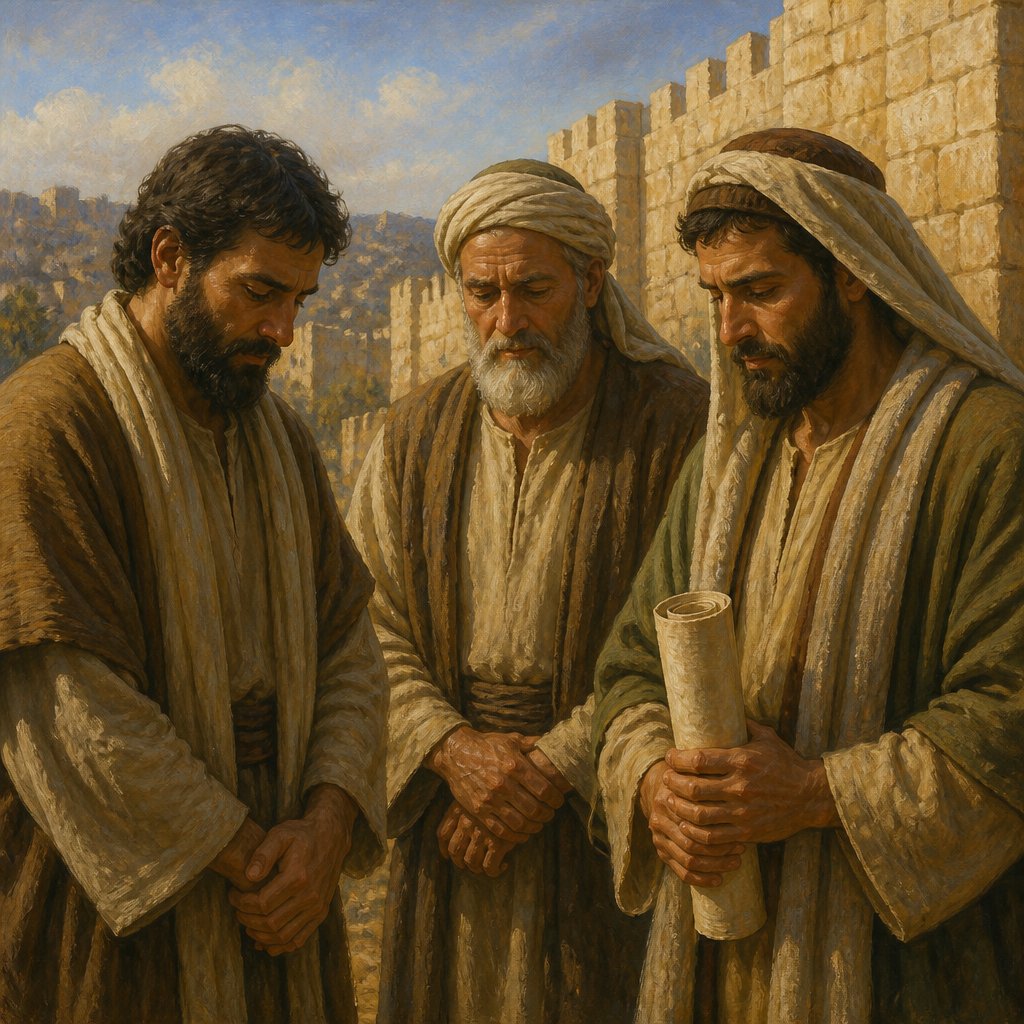
Nehemiah 10:13 (King James Version) says, "And the priests: the sons of Immer; the children of Pashur; the children of Harim." This verse may seem insignificant at first glance, but within the larger context of the book of Nehemiah, it holds deep significance and plays a part in the spiritual and historical narrative of the Israelites.
The book of Nehemiah is set in the time of the Israelites' return from exile in Babylon. It recounts the story of Nehemiah, a Jewish man who served as a cupbearer to the Persian king Artaxerxes I. Upon hearing about the desolation of Jerusalem, Nehemiah was moved to seek permission from the king to return to Jerusalem and rebuild its walls. The book chronicles the challenges and opposition Nehemiah faced as he led the Israelites in this monumental task.
Within this historical and spiritual context, the verse Nehemiah 10:13 can be interpreted as a part of a larger list of the various priestly families who were making documented commitments to uphold the law of God. The verse is part of a passage where the people of Israel, including the priests, Levites, and the leaders, were collectively acknowledging and sealing a covenant with God. This covenant was a formal agreement to abide by the laws and commandments given by God through Moses. Each family and group listed in the passage made a public commitment to fulfill their duties and responsibilities according to the law of God.
The mention of specific priestly families such as the sons of Immer, the children of Pashur, and the children of Harim holds symbolic and historical significance. These families were directly involved in the service of the temple and the religious life of the community. The mention of their names serves as a reminder of the continuity and lineage of the priesthood within the Israelite community. Each family had its roles and responsibilities within the religious structure, and their commitment to the covenant was essential for maintaining the spiritual integrity of the community.
Furthermore, the inclusion of these specific priestly families underscores the importance of individual and corporate accountability in serving God. Each family had its own lineage and heritage, and they were accountable as representatives of their respective lineages to uphold the covenant with God. This individual and collective commitment to God's law was an essential component of the Israelites' identity as a chosen and holy nation.
In terms of broader themes, Nehemiah 10:13 reflects the themes of commitment, continuity, and community within the context of faith and religious practice. The commitment made by these priestly families signifies their devotion to the divine laws and their willingness to live according to God's commands. The continuity of the priestly lineage highlights the importance of heritage and tradition in the practice of faith. Additionally, the communal aspect of the covenant underscores the interconnectedness of the Israelite community in their shared commitment to God.
In contemporary interpretation, Nehemiah 10:13 serves as a reminder for believers to uphold their commitments to God and to live in accordance with His laws. It also emphasizes the importance of accountability and community in the practice of faith. The verse also points to the significance of family heritage and lineage in the spiritual journey of individuals and communities.
In conclusion, Nehemiah 10:13 may appear as a simple list of priestly families, but within the broader context of the book of Nehemiah, it carries deep spiritual and historical significance. It serves as a symbolic representation of commitment, continuity, and community within the context of faith and religious practice. The verse underscores the individual and collective responsibility of the priestly families in upholding the covenant with God and highlights the interconnectedness of the Israelite community in their shared commitment to God.
Have questions about Nehemiah 10:13?
Dive deeper into this scripture with Bible Chat — an AI-powered tool for exploring God's Word through conversation. Ask questions, get context, and grow in your understanding of the Bible.
Get Our Apps


Nehemiah 10:13 Artwork

Nehemiah 10:13 - "Hodijah, Bani, Beninu."

"Hodijah, Bani, Beninu." - Nehemiah 10:13
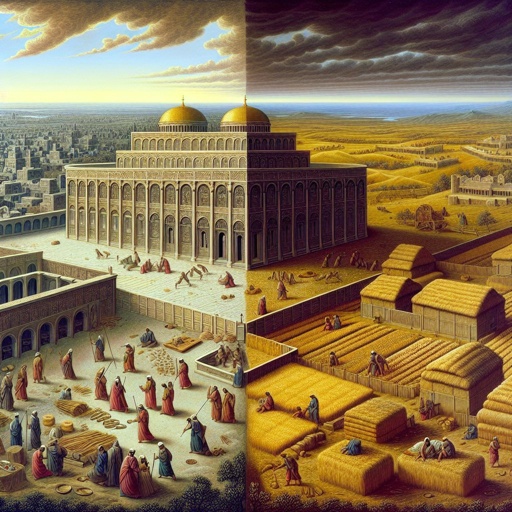
Nehemiah 13:10 - "¶ And I perceived that the portions of the Levites had not been given them: for the Levites and the singers, that did the work, were fled every one to his field."

Nehemiah 10:1 - "Now those that sealed were, Nehemiah, the Tirshatha, the son of Hachaliah, and Zidkijah,"

Nehemiah 11:13

Nehemiah 10:10 - "And their brethren, Shebaniah, Hodijah, Kelita, Pelaiah, Hanan,"

Nehemiah 8:10

Nehemiah 8:10

Nehemiah 8:10

Nehemiah 10:24 - "Hallohesh, Pileha, Shobek,"

Nehemiah 10:22 - "Pelatiah, Hanan, Anaiah,"

Nehemiah 10:5 - "Harim, Meremoth, Obadiah,"

Nehemiah 10:23 - "Hoshea, Hananiah, Hashub,"

Nehemiah 10:21 - "Meshezabeel, Zadok, Jaddua,"

Nehemiah 10:7 - "Meshullam, Abijah, Mijamin,"

Nehemiah 10:11 - "Micha, Rehob, Hashabiah,"

Nehemiah 10:27 - "Malluch, Harim, Baanah."

Nehemiah 10:25 - "Rehum, Hashabnah, Maaseiah,"

Nehemiah 10:19 - "Hariph, Anathoth, Nebai,"

Nehemiah 10:6 - "Daniel, Ginnethon, Baruch,"

Nehemiah 12:13 - "Of Ezra, Meshullam; of Amariah, Jehohanan;"

Nehemiah 10:26 - "And Ahijah, Hanan, Anan,"

Nehemiah 10:16 - "Adonijah, Bigvai, Adin,"

Nehemiah 10:18 - "Hodijah, Hashum, Bezai,"

Nehemiah 10:20 - "Magpiash, Meshullam, Hezir,"

Nehemiah 10:3 - "Pashur, Amariah, Malchijah,"

Nehemiah 10:17 - "Ater, Hizkijah, Azzur,"

Nehemiah 10:4 - "Hattush, Shebaniah, Malluch,"

Nehemiah 10:2 - "Seraiah, Azariah, Jeremiah,"

Nehemiah 10:12 - "Zaccur, Sherebiah, Shebaniah,"