What does Micah 6:6 mean?
"¶ Wherewith shall I come before the LORD, and bow myself before the high God? shall I come before him with burnt offerings, with calves of a year old?" - Micah 6:6
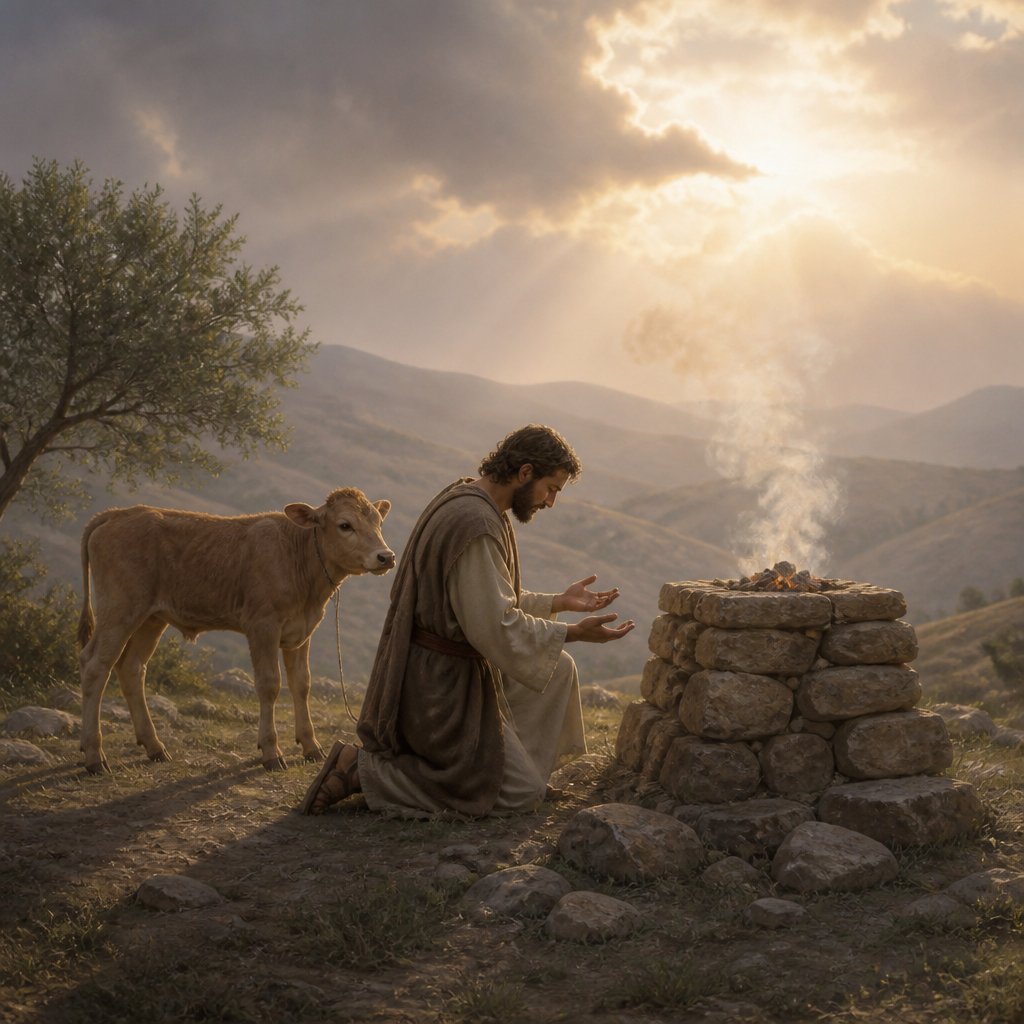
Micah 6:6 (KJV) "Wherewith shall I come before the Lord, and bow myself before the high God? shall I come before him with burnt offerings, with calves of a year old?"
Micah 6:6, from the Old Testament book of Micah, is a verse that speaks to the question of what it means to come before the Lord and how to worship Him in a way that is pleasing and acceptable. In this verse, the prophet Micah is addressing the people of Israel and challenging them to consider the true nature of worship and their relationship with God.
The verse begins with a rhetorical question, "Wherewith shall I come before the Lord, and bow myself before the high God?" This question serves as an invitation for introspection and contemplation on the part of the people. They are being asked to consider what it means to approach the Lord, the "high God," and what actions or offerings are appropriate in that context. This question sets the stage for the rest of the verse, as Micah delves into a discussion of different forms of worship and their significance.
The prophet then poses the question, "shall I come before him with burnt offerings, with calves of a year old?" This question highlights the tension between outward displays of religious piety and the true intentions of the worshipper. The reference to "burnt offerings" and "calves of a year old" alludes to the sacrificial system of ancient Israel, in which animals were offered as a way of atoning for sin and seeking God's favor. These offerings were an integral part of Israel's religious practice, and yet Micah is calling into question their value if they are not accompanied by genuine devotion and righteousness.
The passage reflects a deeper issue within the religious life of Israel at the time. The people had become accustomed to performing the rituals and ceremonies of their faith without truly engaging their hearts and minds in worship. Their outward expressions of devotion had become disconnected from the inner spiritual reality that God desired. Micah's words serve as a reminder that true worship involves more than external acts of sacrifice; it requires a sincere and humble approach to God, rooted in righteousness and justice.
This theme is consistent with other passages in the Bible that emphasize the importance of genuine faith and obedience over empty religious observance. In Isaiah 1:11-17, for example, God condemns the Israelites for their hollow offerings and hypocritical worship, calling for them to "cease to do evil" and "learn to do well." Similarly, in the New Testament, Jesus criticizes the religious leaders of his day for their outward show of piety while neglecting the weightier matters of the law, such as justice, mercy, and faithfulness (Matthew 23:23).
In the broader context of the book of Micah, this verse is part of a larger message in which the prophet denounces the social and moral corruption of the people and calls for repentance and a return to God. Throughout the book, Micah condemns the oppression of the poor and vulnerable, the perversion of justice, and the worship of false gods. The overarching theme is one of judgment and restoration, as God holds the people accountable for their actions but also offers the promise of forgiveness and redemption if they turn back to Him.
Symbolically, the question posed in Micah 6:6 serves as a reminder that God desires not just our external religious expressions, but our whole-hearted devotion and obedience. The burnt offerings and calves represent the superficial trappings of religion, while the deeper call is to live in accordance with God's will and values. The verse challenges us to examine our own motivations and attitudes in approaching God, encouraging us to seek a genuine relationship with Him based on righteousness and justice.
In conclusion, Micah 6:6 is a thought-provoking and challenging verse that prompts us to consider the nature of true worship and our relationship with God. It calls us to look beyond mere religious observance and delve into the inward reality of our hearts and minds. By doing so, we can align our lives with God's principles and purposes, living in a way that honors Him and reflects His righteousness.
Have questions about Micah 6:6?
Dive deeper into this scripture with Bible Chat — an AI-powered tool for exploring God's Word through conversation. Ask questions, get context, and grow in your understanding of the Bible.
Get Our Apps


Micah 6:6 Artwork

Micah 6:6

Micah 6:6 - "¶ Wherewith shall I come before the LORD, and bow myself before the high God? shall I come before him with burnt offerings, with calves of a year old?"

Micah 6:6-8 - "With what shall I come before the Lord and bow down before the exalted God? Shall I come before him with burnt offerings, with calves a year old? Will the Lord be pleased with thousands of rams, with ten thousand rivers of olive oil? Shall I offer my firstborn for my transgression, the fruit of my body for the sin of my soul? He has shown you, O mortal, what is good. And what does the Lord require of you? To act justly and to love mercy and to walk humbly with your God."
"¶ Wherewith shall I come before the LORD, and bow myself before the high God? shall I come before him with burnt offerings, with calves of a year old?" - Micah 6:6

"With what shall I come before the Lord and bow down before the exalted God? Shall I come before him with burnt offerings, with calves a year old? Will the Lord be pleased with thousands of rams, with ten thousand rivers of olive oil? Shall I offer my firstborn for my transgression, the fruit of my body for the sin of my soul? He has shown you, O mortal, what is good. And what does the Lord require of you? To act justly and to love mercy and to walk humbly with your God." - Micah 6:6-8

Micah 6:8

Micah 6:10 - "¶ Are there yet the treasures of wickedness in the house of the wicked, and the scant measure that is abominable?"

Micah 6:11 - "Shall I count them pure with the wicked balances, and with the bag of deceitful weights?"

Micah 2:6 - "Prophesy ye not, say they to them that prophesy: they shall not prophesy to them, that they shall not take shame."

Micah 6:12 - "For the rich men thereof are full of violence, and the inhabitants thereof have spoken lies, and their tongue is deceitful in their mouth."

Micah 6:13 - "Therefore also will I make thee sick in smiting thee, in making thee desolate because of thy sins."

Micah 4:6 - "In that day, saith the LORD, will I assemble her that halteth, and I will gather her that is driven out, and her that I have afflicted;"

Micah 6:1 - "Hear ye now what the LORD saith; Arise, contend thou before the mountains, and let the hills hear thy voice."

Micah 6:9 - "The LORD'S voice crieth unto the city, and the man of wisdom shall see thy name: hear ye the rod, and who hath appointed it."

Micah 6:3 - "O my people, what have I done unto thee? and wherein have I wearied thee? testify against me."

Micah 6:2 - "Hear ye, O mountains, the LORD'S controversy, and ye strong foundations of the earth: for the LORD hath a controversy with his people, and he will plead with Israel."

Micah 1:6 - "Therefore I will make Samaria as an heap of the field, and as plantings of a vineyard: and I will pour down the stones thereof into the valley, and I will discover the foundations thereof."

"¶ Are there yet the treasures of wickedness in the house of the wicked, and the scant measure that is abominable?" - Micah 6:10

Micah 6:4 - "For I brought thee up out of the land of Egypt, and redeemed thee out of the house of servants; and I sent before thee Moses, Aaron, and Miriam."

Micah 6:15 - "Thou shalt sow, but thou shalt not reap; thou shalt tread the olives, but thou shalt not anoint thee with oil; and sweet wine, but shalt not drink wine."

Micah 7:6 - "For the son dishonoureth the father, the daughter riseth up against her mother, the daughter in law against her mother in law; a man's enemies are the men of his own house."

Micah 6:7 - "Will the LORD be pleased with thousands of rams, or with ten thousands of rivers of oil? shall I give my firstborn for my transgression, the fruit of my body for the sin of my soul?"

Micah 6:8 - "He hath shewed thee, O man, what is good; and what doth the LORD require of thee, but to do justly, and to love mercy, and to walk humbly with thy God?"

"Shall I count them pure with the wicked balances, and with the bag of deceitful weights?" - Micah 6:11

Micah 6:14 - "Thou shalt eat, but not be satisfied; and thy casting down shall be in the midst of thee; and thou shalt take hold, but shalt not deliver; and that which thou deliverest will I give up to the sword."

"Prophesy ye not, say they to them that prophesy: they shall not prophesy to them, that they shall not take shame." - Micah 2:6
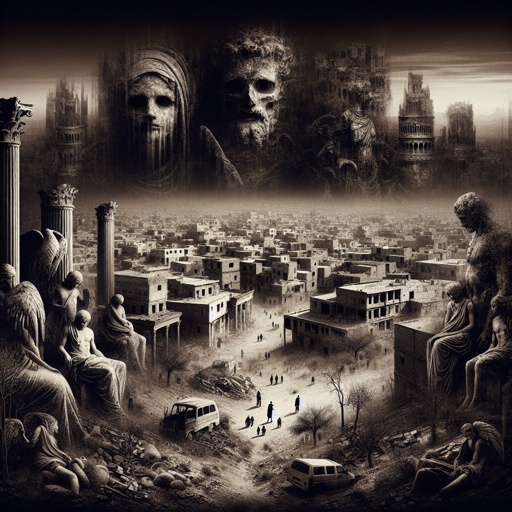
Micah 6:16 - "¶ For the statutes of Omri are kept, and all the works of the house of Ahab, and ye walk in their counsels; that I should make thee a desolation, and the inhabitants thereof an hissing: therefore ye shall bear the reproach of my people."

Micah 6:5 - "O my people, remember now what Balak king of Moab consulted, and what Balaam the son of Beor answered him from Shittim unto Gilgal; that ye may know the righteousness of the LORD."

Micah 3:6 - "Therefore night shall be unto you, that ye shall not have a vision; and it shall be dark unto you, that ye shall not divine; and the sun shall go down over the prophets, and the day shall be dark over them."

Micah 5:6 - "And they shall waste the land of Assyria with the sword, and the land of Nimrod in the entrances thereof: thus shall he deliver us from the Assyrian, when he cometh into our land, and when he treadeth within our borders."