What does Micah 2:7 mean?
"¶ O thou that art named the house of Jacob, is the spirit of the LORD straitened? are these his doings? do not my words do good to him that walketh uprightly?" - Micah 2:7
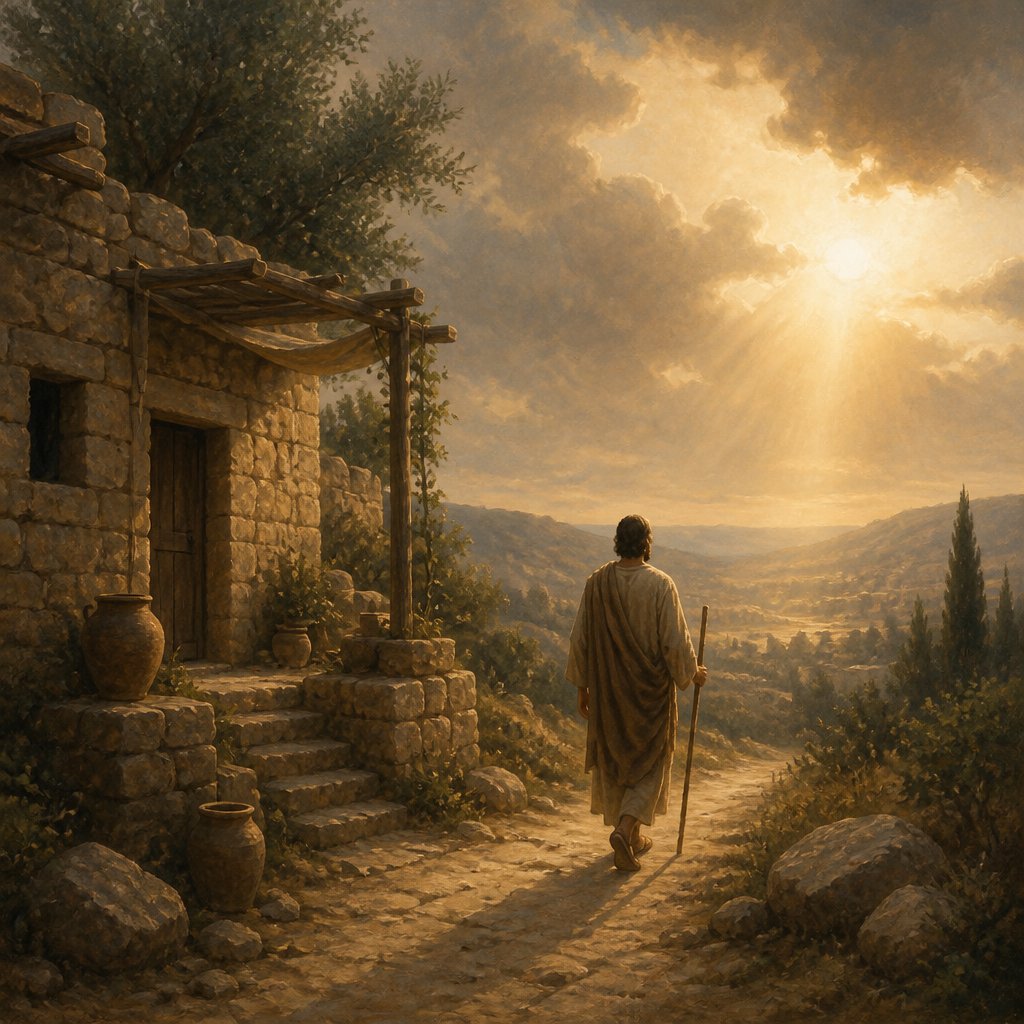
Micah 2:7 (KJV) – “O thou that art named the house of Jacob, is the spirit of the Lord straitened? are these his doings? do not my words do good to him that walketh uprightly?”
The book of Micah is one of the twelve minor prophets in the Old Testament and was written by the prophet Micah during the reigns of Jotham, Ahaz, and Hezekiah, kings of Judah. The central theme of the book of Micah is the sinfulness of man and the judgment that will come as a result of that sin, as well as the hope for redemption and restoration.
In Micah 2:7, the prophet is addressing the people of Israel, specifically those who are part of the house of Jacob. The verse begins with a rhetorical question: “is the spirit of the Lord straitened?” This question is asking whether the Lord’s power and influence are limited or bound in any way. The implication is that God’s spirit is not restricted in any way and is fully capable of carrying out his will and purposes. This is a reminder to the people that they cannot escape the judgment of the Lord and that they will be held accountable for their sins.
The next part of the verse continues with another rhetorical question: “are these his doings?” This question is suggesting that the actions and behaviors of the people, which are in opposition to God’s will, are not in line with his character and desires. The prophet is challenging the people to consider whether their actions truly align with the will of God. This is a call to repentance and a reminder that God’s ways are higher than our ways, and His ways are always just and righteous.
The verse concludes with a statement: “do not my words do good to him that walketh uprightly?” This statement is a reflection of God’s goodness and faithfulness to those who seek to live in obedience to Him. It serves as a contrast to the previous questioning, reminding the people that following God’s word and living with integrity will result in blessings and goodness. This is a message of hope and encouragement in the midst of judgment, reminding the people that there is a way to find favor and restoration in the sight of the Lord.
In the broader context of the book of Micah, this verse is part of a larger indictment of the people of Israel for their sins and injustices. The prophet condemns the wealthy and powerful for oppressing the poor and vulnerable, and he warns of the impending judgment and destruction that will come as a result of their sins. However, amidst this message of judgment, there is also a message of hope and redemption. The prophet looks forward to a time when God will gather His people, shepherd them with His strength, and lead them in righteousness.
Symbolically, this verse represents the tension between God’s judgment and His grace. It serves as a reminder that God is just and righteous, and He will hold His people accountable for their actions. At the same time, it offers hope for those who seek to live in obedience to God, promising that His words will bring goodness to those who walk in uprightness.
In conclusion, Micah 2:7 is a powerful reminder of God’s sovereignty and justice, as well as His goodness and faithfulness. It challenges the people of Israel to consider their ways and align themselves with the will of God, while also offering hope and encouragement to those who seek to live with integrity. This verse encapsulates the central themes of the book of Micah and serves as a timeless message for all people to seek righteousness and to trust in the goodness of God.
Have questions about Micah 2:7?
Dive deeper into this scripture with Bible Chat — an AI-powered tool for exploring God's Word through conversation. Ask questions, get context, and grow in your understanding of the Bible.
Get Our Apps


Micah 2:7 Artwork

Micah 2:7 - "¶ O thou that art named the house of Jacob, is the spirit of the LORD straitened? are these his doings? do not my words do good to him that walketh uprightly?"
"¶ O thou that art named the house of Jacob, is the spirit of the LORD straitened? are these his doings? do not my words do good to him that walketh uprightly?" - Micah 2:7

Micah 7:17

Micah 7:2 - "The good man is perished out of the earth: and there is none upright among men: they all lie in wait for blood; they hunt every man his brother with a net."

Micah 7:7 - "Therefore I will look unto the LORD; I will wait for the God of my salvation: my God will hear me."

Micah 7:11 - "In the day that thy walls are to be built, in that day shall the decree be far removed."

Micah 5:2-5

Micah 7:13 - "Notwithstanding the land shall be desolate because of them that dwell therein, for the fruit of their doings."

Micah 3:7 - "Then shall the seers be ashamed, and the diviners confounded: yea, they shall all cover their lips; for there is no answer of God."

Micah 7:15 - "According to the days of thy coming out of the land of Egypt will I shew unto him marvellous things."

Micah 7:16 - "¶ The nations shall see and be confounded at all their might: they shall lay their hand upon their mouth, their ears shall be deaf."

Micah 7:5 - "¶ Trust ye not in a friend, put ye not confidence in a guide: keep the doors of thy mouth from her that lieth in thy bosom."

Micah 7:20 - "Thou wilt perform the truth to Jacob, and the mercy to Abraham, which thou hast sworn unto our fathers from the days of old."

Micah 5:7 - "And the remnant of Jacob shall be in the midst of many people as a dew from the LORD, as the showers upon the grass, that tarrieth not for man, nor waiteth for the sons of men."

Micah 7:1 - "Woe is me! for I am as when they have gathered the summer fruits, as the grapegleanings of the vintage: there is no cluster to eat: my soul desired the firstripe fruit."

Micah 2:6 - "Prophesy ye not, say they to them that prophesy: they shall not prophesy to them, that they shall not take shame."
Micah 7:4 - "The best of them is as a brier: the most upright is sharper than a thorn hedge: the day of thy watchmen and thy visitation cometh; now shall be their perplexity."

Micah 2:5 - "Therefore thou shalt have none that shall cast a cord by lot in the congregation of the LORD."

Micah 7:19 - "He will turn again, he will have compassion upon us; he will subdue our iniquities; and thou wilt cast all their sins into the depths of the sea."

Micah 2:2 - "And they covet fields, and take them by violence; and houses, and take them away: so they oppress a man and his house, even a man and his heritage."

"He will turn again, he will have compassion upon us; he will subdue our iniquities; and thou wilt cast all their sins into the depths of the sea." - Micah 7:19

Micah 2:10 - "Arise ye, and depart; for this is not your rest: because it is polluted, it shall destroy you, even with a sore destruction."

"In the day that thy walls are to be built, in that day shall the decree be far removed." - Micah 7:11

Micah 7:8 - "¶ Rejoice not against me, O mine enemy: when I fall, I shall arise; when I sit in darkness, the LORD shall be a light unto me."

Micah 7:17 - "They shall lick the dust like a serpent, they shall move out of their holes like worms of the earth: they shall be afraid of the LORD our God, and shall fear because of thee."

Micah 7:3 - "¶ That they may do evil with both hands earnestly, the prince asketh, and the judge asketh for a reward; and the great man, he uttereth his mischievous desire: so they wrap it up."

"Therefore I will look unto the LORD; I will wait for the God of my salvation: my God will hear me." - Micah 7:7
"The good man is perished out of the earth: and there is none upright among men: they all lie in wait for blood; they hunt every man his brother with a net." - Micah 7:2

Micah 7:18 - "Who is a God like unto thee, that pardoneth iniquity, and passeth by the transgression of the remnant of his heritage? he retaineth not his anger for ever, because he delighteth in mercy."

Micah 7:6 - "For the son dishonoureth the father, the daughter riseth up against her mother, the daughter in law against her mother in law; a man's enemies are the men of his own house."