What does Micah 2:6 mean?
"Prophesy ye not, say they to them that prophesy: they shall not prophesy to them, that they shall not take shame." - Micah 2:6
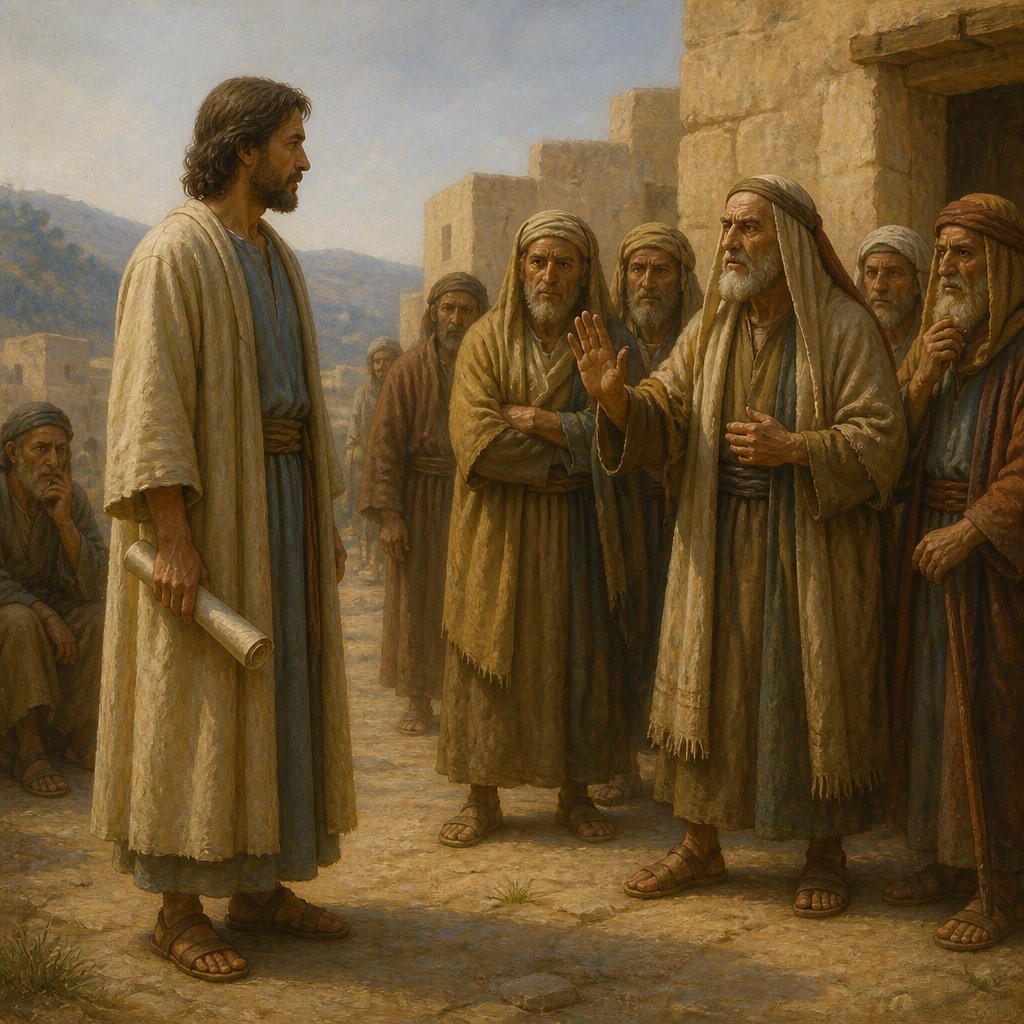
Micah 2:6 from the King James Version of the Bible reads, "Prophesy ye not, say they to them that prophesy: they shall not prophesy to them, that they shall not take shame." This verse is found within the book of Micah, which is one of the twelve minor prophets in the Old Testament. The prophet Micah lived during the reigns of Jotham, Ahaz, and Hezekiah, kings of Judah, and delivered his prophecies around the eighth century BC.
In this particular verse, Micah is addressing the false prophets who were proclaiming messages that were not aligned with God's will. The ruling class and the leading men of the nation were trying to silence the true prophets of God, telling them not to speak out against the injustices and sins being committed. The false prophets were declaring that there would be peace and prosperity, even when the nation was in a state of moral decay and rebellion against God.
The context of Micah's prophecy is that the people of Judah were engaged in various sins including idolatry, corruption, and social injustice. Micah's message is one of warning and judgment for these sins, but also one of hope for those who would turn back to God and live in accordance with His will.
The verse carries a profound message about the opposition and persecution that true prophets of God often face. The false prophets and the ruling class did not want to hear the truth, as it would have forced them to confront their own sinful behavior and make changes in their lives. As a result, they sought to silence those speaking on behalf of God.
The phrase "they shall not take shame" could be interpreted as a warning to those who reject the true prophets and continue in their disobedience. Eventually, their actions would bring shame upon them, as God's judgment and consequences for their sins would come to pass. Additionally, it can be understood as a warning to the false prophets themselves, that their messages of peace and prosperity in the face of sin would ultimately bring shame and disgrace upon them when the judgment of God is revealed.
The themes present in Micah 2:6 include the role of the prophet in speaking truth, the rejection of God's message by those in authority, and the inevitable consequences of continued disobedience and rejection of God's word. It also speaks to the broader theme of the sovereignty of God and His righteous judgment.
Additionally, this verse carries a message about the importance of discerning true prophets from false ones. Throughout the Bible, there are warnings about false prophets who lead people astray with their deceitful messages. Jesus himself warned about false prophets who would come in sheep's clothing but inwardly are ravenous wolves (Matthew 7:15). Therefore, it is important for believers to test the spirits and verify the authenticity of any prophetic message in light of God's word.
In conclusion, Micah 2:6 serves as a reminder of the opposition and persecution that the true prophets of God often face when proclaiming His word. It also contains a warning about the consequences of rejecting God's message and the importance of discerning between true and false prophets. Ultimately, the verse points to the sovereignty and righteous judgment of God, and the necessity for people to turn back to Him and align their lives with His will.
Have questions about Micah 2:6?
Dive deeper into this scripture with Bible Chat — an AI-powered tool for exploring God's Word through conversation. Ask questions, get context, and grow in your understanding of the Bible.
Get Our Apps


Micah 2:6 Artwork

Micah 2:6 - "Prophesy ye not, say they to them that prophesy: they shall not prophesy to them, that they shall not take shame."

"Prophesy ye not, say they to them that prophesy: they shall not prophesy to them, that they shall not take shame." - Micah 2:6

Micah 6:6

Micah 6:8

Micah 6:2 - "Hear ye, O mountains, the LORD'S controversy, and ye strong foundations of the earth: for the LORD hath a controversy with his people, and he will plead with Israel."

Micah 6:10 - "¶ Are there yet the treasures of wickedness in the house of the wicked, and the scant measure that is abominable?"

Micah 6:11 - "Shall I count them pure with the wicked balances, and with the bag of deceitful weights?"

Micah 5:2-5

Micah 6:6 - "¶ Wherewith shall I come before the LORD, and bow myself before the high God? shall I come before him with burnt offerings, with calves of a year old?"

Micah 6:12 - "For the rich men thereof are full of violence, and the inhabitants thereof have spoken lies, and their tongue is deceitful in their mouth."

Micah 6:13 - "Therefore also will I make thee sick in smiting thee, in making thee desolate because of thy sins."

Micah 4:6 - "In that day, saith the LORD, will I assemble her that halteth, and I will gather her that is driven out, and her that I have afflicted;"

Micah 6:1 - "Hear ye now what the LORD saith; Arise, contend thou before the mountains, and let the hills hear thy voice."

Micah 6:9 - "The LORD'S voice crieth unto the city, and the man of wisdom shall see thy name: hear ye the rod, and who hath appointed it."

Micah 6:3 - "O my people, what have I done unto thee? and wherein have I wearied thee? testify against me."

Micah 1:6 - "Therefore I will make Samaria as an heap of the field, and as plantings of a vineyard: and I will pour down the stones thereof into the valley, and I will discover the foundations thereof."

"¶ Are there yet the treasures of wickedness in the house of the wicked, and the scant measure that is abominable?" - Micah 6:10

Micah 2:5 - "Therefore thou shalt have none that shall cast a cord by lot in the congregation of the LORD."
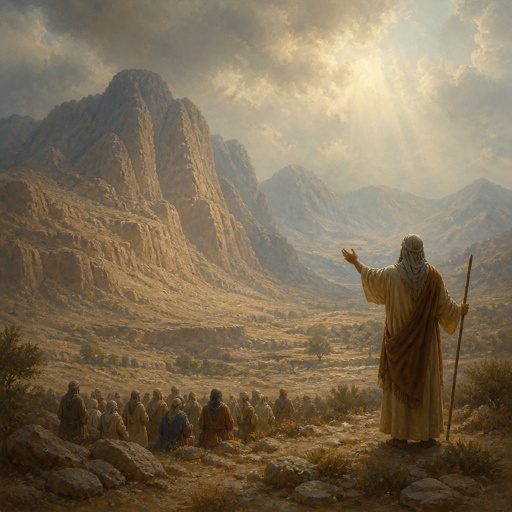
"Hear ye, O mountains, the LORD'S controversy, and ye strong foundations of the earth: for the LORD hath a controversy with his people, and he will plead with Israel." - Micah 6:2

Micah 6:4 - "For I brought thee up out of the land of Egypt, and redeemed thee out of the house of servants; and I sent before thee Moses, Aaron, and Miriam."

Micah 2:2 - "And they covet fields, and take them by violence; and houses, and take them away: so they oppress a man and his house, even a man and his heritage."

Micah 6:15 - "Thou shalt sow, but thou shalt not reap; thou shalt tread the olives, but thou shalt not anoint thee with oil; and sweet wine, but shalt not drink wine."

Micah 2:10 - "Arise ye, and depart; for this is not your rest: because it is polluted, it shall destroy you, even with a sore destruction."

Micah 7:6 - "For the son dishonoureth the father, the daughter riseth up against her mother, the daughter in law against her mother in law; a man's enemies are the men of his own house."

Micah 6:7 - "Will the LORD be pleased with thousands of rams, or with ten thousands of rivers of oil? shall I give my firstborn for my transgression, the fruit of my body for the sin of my soul?"

Micah 6:8 - "He hath shewed thee, O man, what is good; and what doth the LORD require of thee, but to do justly, and to love mercy, and to walk humbly with thy God?"

"Shall I count them pure with the wicked balances, and with the bag of deceitful weights?" - Micah 6:11

Micah 6:14 - "Thou shalt eat, but not be satisfied; and thy casting down shall be in the midst of thee; and thou shalt take hold, but shalt not deliver; and that which thou deliverest will I give up to the sword."

Micah 2:1 - "Woe to them that devise iniquity, and work evil upon their beds! when the morning is light, they practise it, because it is in the power of their hand."

2 Chronicles 34:20 - "And the king commanded Hilkiah, and Ahikam the son of Shaphan, and Abdon the son of Micah, and Shaphan the scribe, and Asaiah a servant of the king's, saying,"