What does Micah 1:15 mean?
"Yet will I bring an heir unto thee, O inhabitant of Mareshah: he shall come unto Adullam the glory of Israel." - Micah 1:15
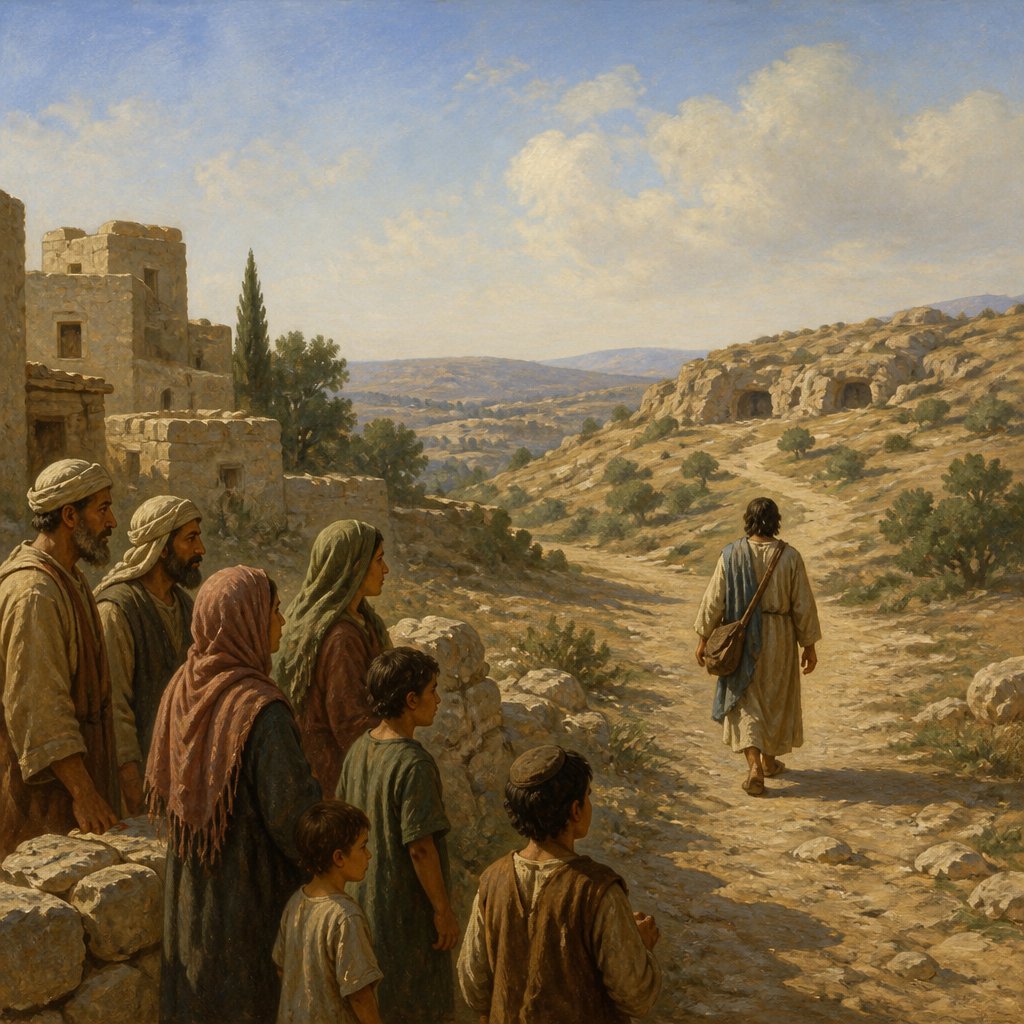
Micah 1:15 (KJV) says, "Yet will I bring an heir unto thee, O inhabitant of Mareshah: he shall come unto Adullam the glory of Israel." This verse is found in the book of Micah, which is one of the minor prophets in the Old Testament. The book of Micah addresses the impending judgment from God on the nations of Israel and Judah. In this verse, the prophet Micah speaks about the arrival of the heir of Mareshah and the greatness that will be found in Adullam, the glory of Israel.
To truly understand the depth and significance of this verse, it is important to consider the context in which it was written. During the time of Micah, the people of Israel and Judah had turned away from God and were engaging in idolatry, injustice, and oppression of the poor and vulnerable. The prophet Micah was called by God to deliver a message of warning and condemnation for their sins, but also a message of hope for restoration and redemption.
In Micah 1:15, the mention of an heir coming to the inhabitants of Mareshah is significant because it brings to mind the concept of inheritance and promise. In the biblical context, an heir represents someone who is designated to receive the blessings, responsibilities, and promises of the previous generation. This verse suggests that despite the impending judgment, God will fulfill His promises to the people of Mareshah. It shows that even in the midst of judgment, God’s faithfulness to His promises remains unwavering.
The mention of Adullam as "the glory of Israel" is also noteworthy. Adullam was a city in the Judean foothills, and in biblical times, it was a place of refuge and protection. It is associated with the stories of David seeking refuge in the cave of Adullam from King Saul, and later becoming a place where his mighty men gathered around him. The mention of Adullam as the glory of Israel carries the symbolic meaning of restoration, refuge, and strength. It is a reminder that God is a place of refuge for His people, and that their true glory is found in Him.
Furthermore, the promise of an heir coming to Mareshah and the mention of Adullam as the glory of Israel can also be interpreted as a foreshadowing of the arrival of Jesus Christ. The word "heir" has strong Messianic connotations, as Jesus is often referred to as the heir of all things in the New Testament (Hebrews 1:2). Additionally, Jesus is the fulfillment of the promises made to the people of Israel, and in Him, the glory of God is revealed. Therefore, this verse can also be seen as a prophetic declaration of the coming of the Messiah and the restoration and redemption He brings.
In conclusion, Micah 1:15 is a verse that holds deep meaning and significance within the broader context of the book of Micah and the biblical narrative as a whole. It carries themes of inheritance, promise, restoration, and the coming of the Messiah. It serves as a message of hope amidst impending judgment, reminding the people of God’s faithfulness and their ultimate refuge and glory found in Him. This verse, like many others in the Bible, points to the redemptive work of Jesus Christ and the fulfillment of God’s promises to His people.
Have questions about Micah 1:15?
Dive deeper into this scripture with Bible Chat — an AI-powered tool for exploring God's Word through conversation. Ask questions, get context, and grow in your understanding of the Bible.
Get Our Apps


Micah 1:15 Artwork

Micah 1:15 - "Yet will I bring an heir unto thee, O inhabitant of Mareshah: he shall come unto Adullam the glory of Israel."
"Yet will I bring an heir unto thee, O inhabitant of Mareshah: he shall come unto Adullam the glory of Israel." - Micah 1:15

1 Chronicles 9:15 - "And Bakbakkar, Heresh, and Galal, and Mattaniah the son of Micah, the son of Zichri, the son of Asaph;"

"And Bakbakkar, Heresh, and Galal, and Mattaniah the son of Micah, the son of Zichri, the son of Asaph;" - 1 Chronicles 9:15

Micah 5:15 - "And I will execute vengeance in anger and fury upon the heathen, such as they have not heard."

Micah 1:1 - "The word of the LORD that came to Micah the Morasthite in the days of Jotham, Ahaz, and Hezekiah, kings of Judah, which he saw concerning Samaria and Jerusalem."

Judges 18:15 - "And they turned thitherward, and came to the house of the young man the Levite, even unto the house of Micah, and saluted him."

Micah 7:15 - "According to the days of thy coming out of the land of Egypt will I shew unto him marvellous things."

Micah 5:2-5

Micah 1:5 - "For the transgression of Jacob is all this, and for the sins of the house of Israel. What is the transgression of Jacob? is it not Samaria? and what are the high places of Judah? are they not Jerusalem?"

Judges 17:1 - "And there was a man of mount Ephraim, whose name was Micah."

1 Chronicles 8:35 - "And the sons of Micah were, Pithon, and Melech, and Tarea, and Ahaz."

Micah 6:15 - "Thou shalt sow, but thou shalt not reap; thou shalt tread the olives, but thou shalt not anoint thee with oil; and sweet wine, but shalt not drink wine."

"And I will execute vengeance in anger and fury upon the heathen, such as they have not heard." - Micah 5:15

1 Chronicles 9:41 - "And the sons of Micah were, Pithon, and Melech, and Tahrea, and Ahaz."

1 Chronicles 9:40 - "And the son of Jonathan was Merib-baal: and Merib-baal begat Micah."

"The word of the LORD that came to Micah the Morasthite in the days of Jotham, Ahaz, and Hezekiah, kings of Judah, which he saw concerning Samaria and Jerusalem." - Micah 1:1

1 Chronicles 8:34 - "And the son of Jonathan was Merib-baal; and Merib-baal begat Micah."

1 Chronicles 5:5 - "Micah his son, Reaia his son, Baal his son,"

Micah 1:10 - "¶ Declare ye it not at Gath, weep ye not at all: in the house of Aphrah roll thyself in the dust."

Micah 1:14 - "Therefore shalt thou give presents to Moresheth-gath: the houses of Achzib shall be a lie to the kings of Israel."

Micah 1:12 - "For the inhabitant of Maroth waited carefully for good: but evil came down from the LORD unto the gate of Jerusalem."

Micah 1:9 - "For her wound is incurable; for it is come unto Judah; he is come unto the gate of my people, even to Jerusalem."

Micah 1:3 - "For, behold, the LORD cometh forth out of his place, and will come down, and tread upon the high places of the earth."

"And there was a man of mount Ephraim, whose name was Micah." - Judges 17:1

Micah 1:8 - "Therefore I will wail and howl, I will go stripped and naked: I will make a wailing like the dragons, and mourning as the owls."

"And they turned thitherward, and came to the house of the young man the Levite, even unto the house of Micah, and saluted him." - Judges 18:15
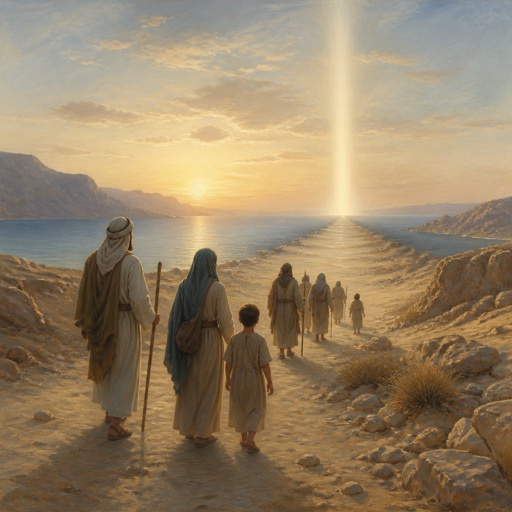
"According to the days of thy coming out of the land of Egypt will I shew unto him marvellous things." - Micah 7:15

Micah 2:1 - "Woe to them that devise iniquity, and work evil upon their beds! when the morning is light, they practise it, because it is in the power of their hand."

Micah 3:1 - "And I said, Hear, I pray you, O heads of Jacob, and ye princes of the house of Israel; Is it not for you to know judgment?"