What does Matthew 9:10 mean?
"¶ And it came to pass, as Jesus sat at meat in the house, behold, many publicans and sinners came and sat down with him and his disciples." - Matthew 9:10
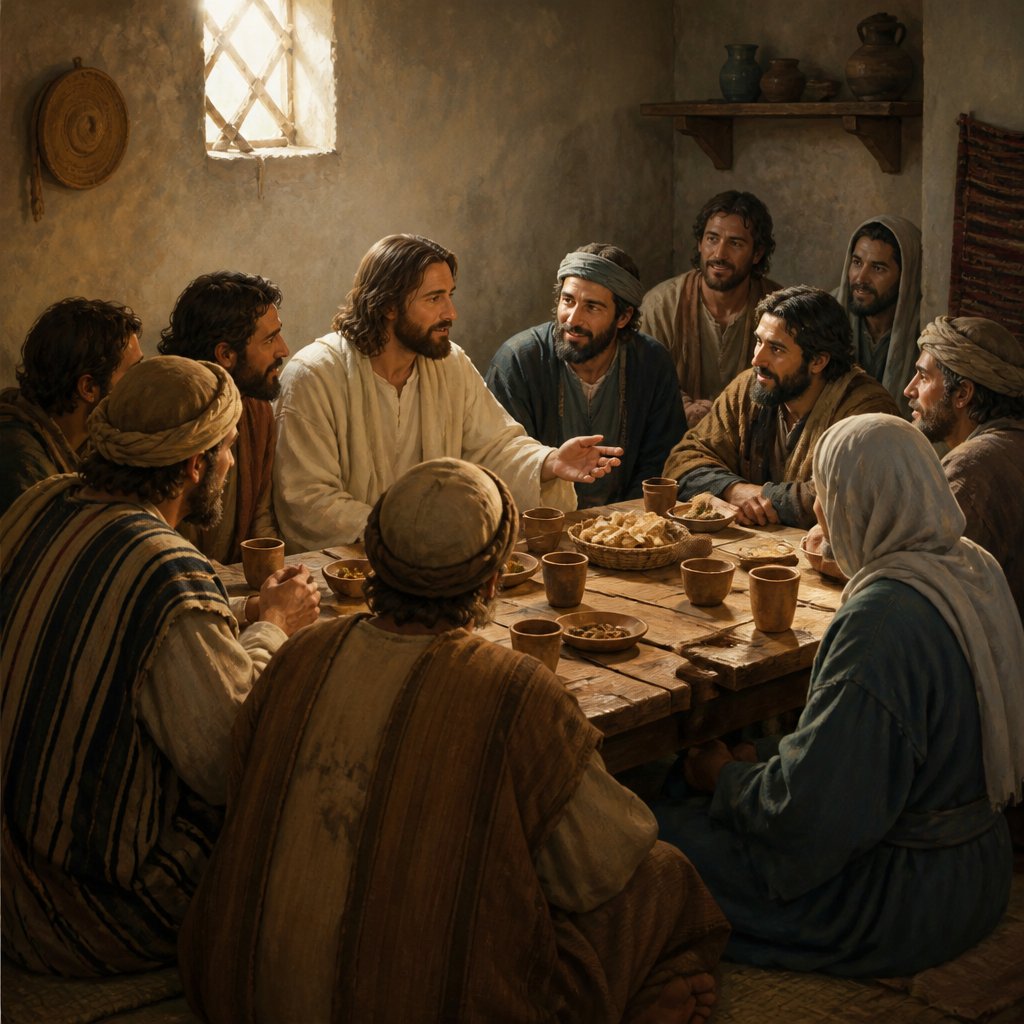
Matthew 9:10 in the King James Version (KJV) reads, "And it came to pass, as Jesus sat at meat in the house, behold, many publicans and sinners came and sat down with him and his disciples." This verse is a significant moment in the life of Jesus and holds deep meaning for believers today.
The context of this verse is that Jesus had just called Matthew, a tax collector, to be one of his disciples. In response, Matthew hosted a great feast at his house, inviting other tax collectors and those considered to be sinners to come and meet Jesus. This act of hospitality and inclusion of outcasts was deeply radical and controversial in the eyes of the religious leaders of the time.
The theme of this verse centers around the idea of Jesus' radical love and acceptance for all people. By choosing to dine with those deemed unworthy and sinful by society, Jesus demonstrates his unyielding love and compassion for all people, regardless of their social status or past mistakes. This theme is a central aspect of Jesus' ministry and sets the tone for his teachings on forgiveness, redemption, and grace.
The symbolism in this verse is also powerful. The act of sitting down to eat together in the ancient world was a symbol of fellowship and acceptance. By sharing a meal with tax collectors and sinners, Jesus symbolically extends his love and acceptance to those who were marginalized and rejected by society. This act challenges the cultural norms and religious expectations of the time, emphasizing the inclusivity and universality of God's love.
Furthermore, the choice to dine with tax collectors and sinners carries a deeper symbolic meaning in the Jewish context. Tax collectors were viewed as traitors to their own people, working for the Roman Empire and often engaging in corruption and exploitation. By associating with them, Jesus challenges the social and religious boundaries of the time, signaling a new way of understanding and practicing faith.
This verse also holds relevance for contemporary believers. It serves as a powerful reminder of the inclusivity and boundless love of God, calling us to extend that love and acceptance to all people, especially those who are marginalized and outcast in our society. It challenges us to reexamine our own attitudes and prejudices towards those who may be different from us, and to extend grace and compassion without judgment.
In summary, Matthew 9:10 in the King James Version conveys a profound message of radical love, inclusion, and acceptance. It challenges cultural and religious norms of the time and continues to inspire believers to embrace all people with the same love and grace that Jesus exemplified. The verse serves as a timeless reminder of the transformative power of God's love and the call to extend that love to all.
Have questions about Matthew 9:10?
Dive deeper into this scripture with Bible Chat — an AI-powered tool for exploring God's Word through conversation. Ask questions, get context, and grow in your understanding of the Bible.
Get Our Apps


Matthew 9:10 Artwork

Matthew 9:10 - "¶ And it came to pass, as Jesus sat at meat in the house, behold, many publicans and sinners came and sat down with him and his disciples."
"¶ And it came to pass, as Jesus sat at meat in the house, behold, many publicans and sinners came and sat down with him and his disciples." - Matthew 9:10

Matthew 10:9 - "Provide neither gold, nor silver, nor brass in your purses,"

Matthew 7:9-10 - "Or what man is there of you, whom if his son ask bread, will he give him a stone? Or if he ask a fish, will he give him a serpent?"
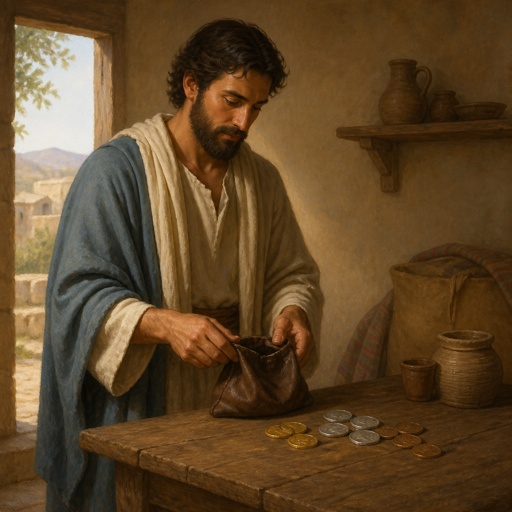
"Provide neither gold, nor silver, nor brass in your purses," - Matthew 10:9

Matthew 2:9-10 - "After they had heard the king, they went on their way, and the star they had seen when it rose went ahead of them until it stopped over the place where the child was. When they saw the star, they were overjoyed."

matthew 15 matthew 15:10

Matthew 9:21

Matthew 9:21-22

Matthew 9:21-22

Matthew 9:21-22

Matthew 9:21-22

Matthew 9:21-22

Matthew 2:9

Matthew 1:10

Matthew 18:10

Matthew 1:10

Matthew 9:9 - "¶ And as Jesus passed forth from thence, he saw a man, named Matthew, sitting at the receipt of custom: and he saith unto him, Follow me. And he arose, and followed him."

Matthew 2:9

Matthew 4:10

Matthew 10:3 - "Philip, and Bartholomew; Thomas, and Matthew the publican; James the son of Alphaeus, and Lebbaeus, whose surname was Thaddaeus;"

for the workman is worthy his meat Matthew 10:10

for the workman is worthy of his meat Matthew 10:10

for the workman is worthy of his meat Matthew 10:10

for the workman is worthy of his meat Matthew 10:10

for the disciple is worthy of his meat Matthew 10:10

for the workman is worthy of his meat Matthew 10:10

for the workman is worthy of his meat Matthew 10:10
Psalm 10:9-10

Matthew 6:9-13