What does Matthew 6:9-13 mean?
"King James Version (KJV) After this manner therefore pray ye: Our Father which art in heaven, Hallowed be thy name. Thy kingdom come, Thy will be done in earth, as it is in heaven. Give us this day our daily bread. And forgive us our debts, as we forgive our debtors. And lead us not into temptation, but deliver us from evil: For thine is the kingdom, and the power, and the glory, for ever. Amen." - Matthew 6:9-13
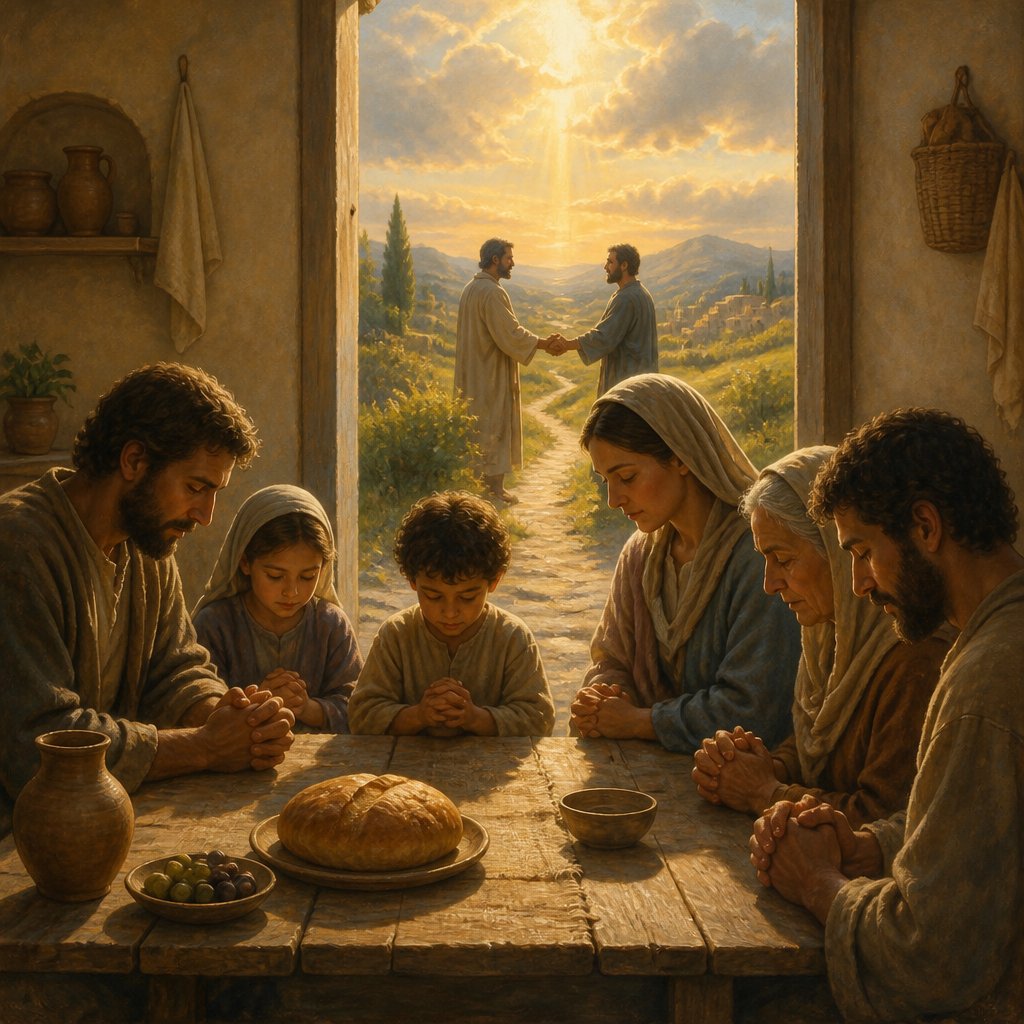
The Lord's Prayer, also known as the Our Father is a well-known and oft-recited prayer in Christian circles. Its origin can be traced back to the book of Matthew in the New Testament in the Bible. Specifically, it is found in Matthew 6:9-13 in the King James Version (KJV) which reads:
9. After this manner therefore pray ye: Our Father which art in heaven, Hallowed be thy name.
10. Thy kingdom come, Thy will be done in earth, as it is in heaven.
11. Give us this day our daily bread.
12. And forgive us our debts, as we forgive our debtors.
13. And lead us not into temptation, but deliver us from evil: For thine is the kingdom, and the power, and the glory, forever. Amen.
In this passage, Jesus Christ is instructing his disciples on how to pray. The language is simple and direct, yet it encompasses profound meaning and contains timeless principles that continue to resonate with believers today.
The first line, "Our Father which art in heaven, Hallowed be thy name," is a recognition and acknowledgment of the divine nature of God and His holiness. This sets the tone for the entire prayer, emphasizing reverence and respect for the Creator of the universe. By addressing God as "Our Father," it also establishes a personal and intimate relationship with Him, highlighting the familial bond between believers and their Heavenly Father.
The following lines, "Thy kingdom come, Thy will be done in earth, as it is in heaven," express a desire for the establishment of God's kingdom on earth and the fulfillment of His perfect will. It reflects the yearning for God's sovereignty and righteousness to reign in every aspect of human existence. This prayer is a call for the alignment of earthly affairs with heavenly principles, emphasizing the importance of submitting to God's authority and seeking His guidance in all things.
The petition for "daily bread" in verse 11 goes beyond the literal sustenance of food. It encompasses all of our physical, emotional, and spiritual needs. It is a plea for God to provide for His children and sustain them through every circumstance. It reflects a dependence on God for our well-being and a recognition of His faithfulness as the ultimate provider.
The next line, "And forgive us our debts, as we forgive our debtors," underscores the importance of forgiveness in the Christian walk. It emphasizes the reciprocal nature of forgiveness, in that we are to extend the same grace to others that we ourselves receive from God. This petition also acknowledges our own shortcomings and the need for divine forgiveness, while simultaneously challenging us to embody a spirit of forgiveness and reconciliation in our interactions with others.
The plea to "lead us not into temptation, but deliver us from evil" recognizes the inherent human frailty and the constant battle against sin and temptation. It is a humbling admission of our vulnerability and a heartfelt request for God's strength and protection in the face of spiritual warfare. This petition echoes the sentiment expressed in the book of James 1:13, which states, "let no man say when he is tempted, I am tempted of God: for God cannot be tempted with evil, neither tempteth he any man."
The prayer concludes with a declaration of the eternal nature of God's kingdom, His power, and His glory. It is a resounding affirmation of God's sovereignty and a proclamation of praise and adoration for His majesty. The word "Amen" signifies agreement and affirmation, underscoring the heartfelt sincerity and unwavering faith of the supplicant.
In summary, the Lord's Prayer encapsulates essential themes of reverence for God, submission to His will, dependence on His provision, forgiveness and reconciliation, spiritual strength, and the exaltation of His eternal kingdom. Its timeless wisdom and universal relevance have made it a cornerstone of Christian worship and a source of comfort and inspiration for believers throughout the ages.
The context in which Jesus delivered this prayer is also significant. He used it as a model for his disciples on how to pray, emphasizing sincerity, humility, and a focus on God's kingdom and righteousness. The prayer serves as a blueprint for believers to follow in their own prayer lives, guiding them in their communication with God and shaping their attitudes and priorities.
Symbolism can also be found throughout the prayer. The address of God as "Our Father" symbolizes the familial relationship believers have with God through their faith in Jesus Christ. The plea for "daily bread" symbolizes a dependence on God for all of life's necessities. The request for forgiveness and the avoidance of temptation symbolize the ongoing spiritual battles that believers face and their reliance on God for deliverance and strength.
In conclusion, the Lord's Prayer is a profound and multifaceted passage that encapsulates essential principles of Christian faith and practice. Its enduring relevance and universal appeal continue to make it a cherished and foundational component of Christian worship and devotion, serving as a timeless guide for believers in their relationship with God.
Have questions about Matthew 6:9-13?
Dive deeper into this scripture with Bible Chat — an AI-powered tool for exploring God's Word through conversation. Ask questions, get context, and grow in your understanding of the Bible.
Get Our Apps


Matthew 6:9-13 Artwork

Matthew 6:9-13

Matthew 6:9-13 - "This, then, is how you should pray: 'Our Father in heaven, hallowed be your name, your kingdom come, your will be done, on earth as it is in heaven. Give us today our daily bread. And forgive us our debts, as we also have forgiven our debtors. And lead us not into temptation, but deliver us from the evil one.'"
"This, then, is how you should pray: 'Our Father in heaven, hallowed be your name, your kingdom come, your will be done, on earth as it is in heaven. Give us today our daily bread. And forgive us our debts, as we also have forgiven our debtors. And lead us not into temptation, but deliver us from the evil one.'" - Matthew 6:9-13

Matthew 6:13

Matthew 13:9 - "Who hath ears to hear, let him hear."

Matthew 6:9 - "After this manner therefore pray ye: Our Father which art in heaven, Hallowed be thy name."

Luke 13:6-9

Matthew 13:6 - "And when the sun was up, they were scorched; and because they had no root, they withered away."

Matthew 6:13 - "And lead us not into temptation, but deliver us from evil: For thine is the kingdom, and the power, and the glory, for ever. Amen."

Matthew 9:13 - "But go ye and learn what that meaneth, I will have mercy, and not sacrifice: for I am not come to call the righteous, but sinners to repentance."
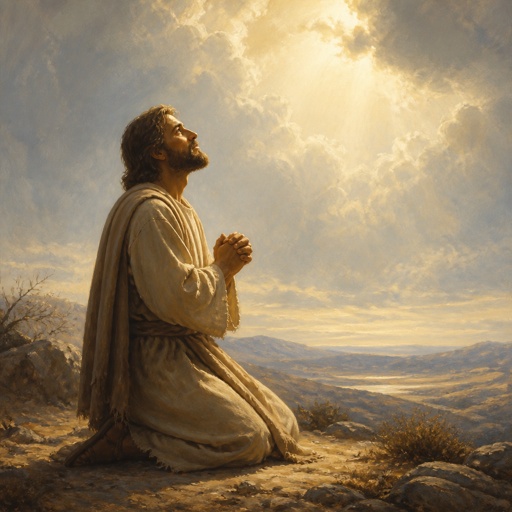
"After this manner therefore pray ye: Our Father which art in heaven, Hallowed be thy name." - Matthew 6:9

"Who hath ears to hear, let him hear." - Matthew 13:9

Matthew 9:12-13 - "On hearing this, Jesus said, “It is not the healthy who need a doctor, but the sick. But go and learn what this means: ‘I desire mercy, not sacrifice.’ For I have not come to call the righteous, but sinners.”"

"And when the sun was up, they were scorched; and because they had no root, they withered away." - Matthew 13:6

Matthew 6:6

Matthew 9:6 - "But that ye may know that the Son of man hath power on earth to forgive sins, (then saith he to the sick of the palsy,) Arise, take up thy bed, and go unto thine house."

Matthew 13

Matthew 9:9-13 - "As Jesus went on from there, he saw a man named Matthew sitting at the tax collector’s booth. “Follow me,” he told him, and Matthew got up and followed him. While Jesus was having dinner at Matthew’s house, many tax collectors and sinners came and ate with him and his disciples. When the Pharisees saw this, they asked his disciples, “Why does your teacher eat with tax collectors and sinners?” On hearing this, Jesus said, “It is not the healthy who need a doctor, but the sick. But go and learn what this means: ‘I desire mercy, not sacrifice.’ For I have not come to call the righteous, but sinners.”"

Matthew 8:13

Matthew 8:13

Matthew 8:13

Matthew 13

Matthew 7:13-14

Matthew 7:13-14

Matthew 7:13-14

Matthew 7:13-14

Matthew 7:13-14

Matthew 7:13-14

Matthew 7:13-14

Matthew 9:21