What does Matthew 6:28-29 mean?
"And why take ye thought for raiment? Consider the lilies of the field, how they grow; they toil not, neither do they spin: And yet I say unto you, That even Solomon in all his glory was not arrayed like one of these." - Matthew 6:28-29
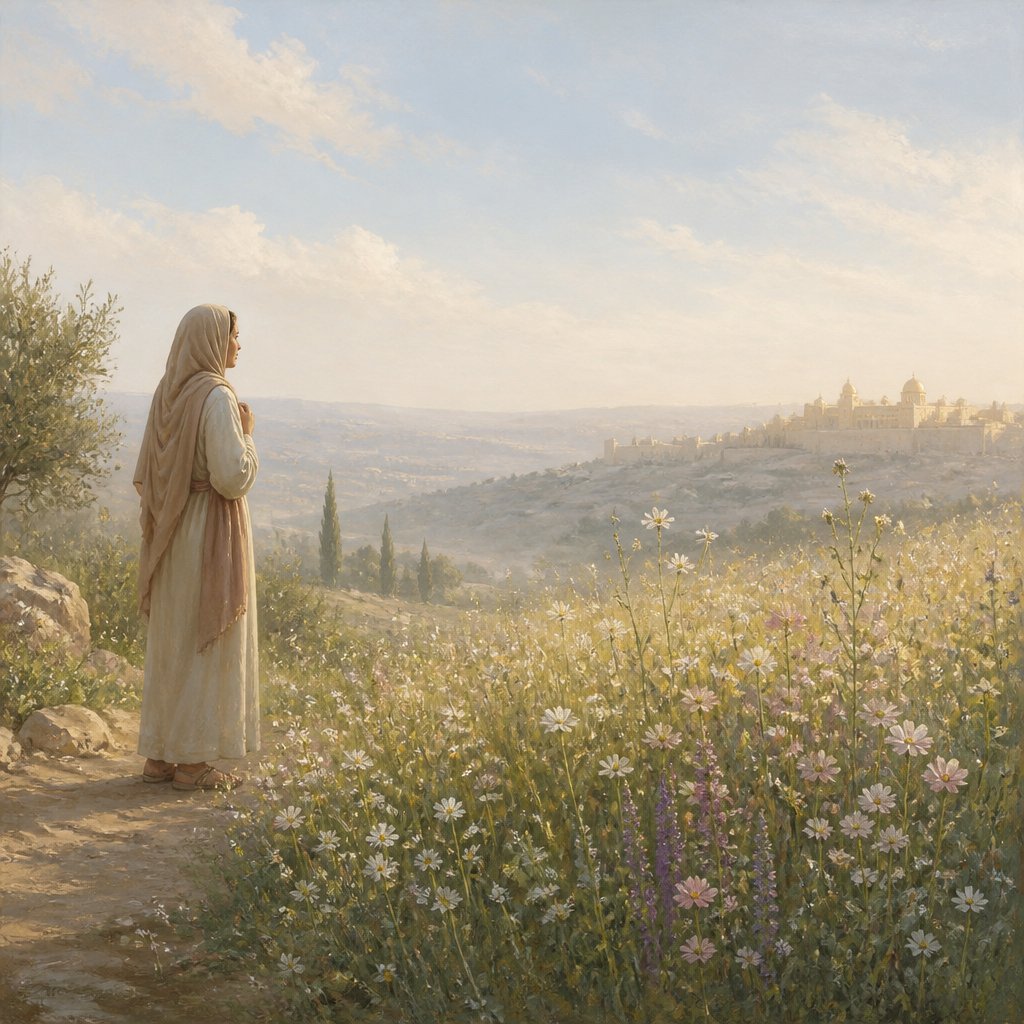
"Consider the lilies of the field, how they grow; they toil not, neither do they spin: And yet I say unto you, That even Solomon in all his glory was not arrayed like one of these."
In this passage from the gospel of Matthew, Jesus uses the example of lilies in the field to convey a profound spiritual truth to his disciples and the crowds that had gathered to hear him speak. The themes of trust, faith, and God's provision are central to the message of these verses.
The context of this passage is important to understand its full meaning. In the preceding verses, Jesus instructs his followers not to worry about their material needs, such as food, clothing, and shelter. He reassures them that God knows their needs and will provide for them. He contrasts the anxious striving of those who seek after material wealth with the carefree existence of the lilies of the field, which grow without laboring or spinning cloth. This provides the backdrop for Jesus' teaching about the lilies of the field.
The lilies that Jesus refers to in this passage are likely the Anemone coronaria, a common wildflower in Israel. These flowers are known for their simple beauty and vibrant colors, which would have been a familiar sight to Jesus' audience. By pointing to these flowers, Jesus is drawing attention to the natural world as a demonstration of God's care and provision. He is using the example of the lilies to illustrate the principle of God's faithfulness in providing for His creation.
There are several layers of symbolism at play in these verses. The lilies themselves symbolize God's provision and care for His creation. By drawing attention to the beauty and abundance of the lilies, Jesus is pointing to the evidence of God's goodness and faithfulness in the natural world. The imagery of the lilies growing without toiling or spinning calls to mind the biblical concept of resting in God's provision and trusting in His care, rather than relying solely on our own efforts.
The mention of Solomon in this passage serves to emphasize the surpassing value of God's provision. Solomon was known for his wealth and splendor, yet Jesus asserts that even the richest and most adorned king cannot compare to the simple beauty of a lily. This contrast underscores the fleeting nature of human wealth and status in comparison to the enduring beauty and provision of God's creation.
At its core, this passage is an invitation to trust in God's care and provision. By pointing to the lilies of the field, Jesus is encouraging his followers to adopt a posture of faith and rest in God's faithfulness. The imagery of the lilies growing without laboring or spinning serves as a powerful reminder that God is the ultimate provider, and we can trust in His provision for our needs.
For believers, this passage also carries a deeper spiritual meaning. The lilies of the field serve as a tangible reminder of God's faithfulness, signaling His provision and care not only for the physical needs of His creation, but also for the spiritual needs of His people. Just as the lilies are adorned with beauty and abundance, so too does God lavish His grace and blessings upon those who trust in Him.
In conclusion, the passage of "Consider the lilies of the field, how they grow; they toil not, neither do they spin: And yet I say unto you, That even Solomon in all his glory was not arrayed like one of these," offers a profound message of trust, faith, and God's provision. By pointing to the lilies of the field, Jesus encourages his followers to trust in God's care and provision, and to rest in His faithfulness. This passage serves as a powerful reminder of God's goodness and provision, and the invitation to trust in His care for both our physical and spiritual needs.
Have questions about Matthew 6:28-29?
Dive deeper into this scripture with Bible Chat — an AI-powered tool for exploring God's Word through conversation. Ask questions, get context, and grow in your understanding of the Bible.
Get Our Apps


Matthew 6:28-29 Artwork

Matthew 6:28-29 - "And why do you worry about clothes? See how the flowers of the field grow. They do not labor or spin. Yet I tell you that not even Solomon in all his splendor was dressed like one of these."

"And why take ye thought for raiment? Consider the lilies of the field, how they grow; they toil not, neither do they spin: And yet I say unto you, That even Solomon in all his glory was not arrayed like one of these." - Matthew 6:28-29
"And why do you worry about clothes? See how the flowers of the field grow. They do not labor or spin. Yet I tell you that not even Solomon in all his splendor was dressed like one of these." - Matthew 6:28-29

Matthew 6:29 expressed as a rose garden

Matthew 6:29 - "And yet I say unto you, That even Solomon in all his glory was not arrayed like one of these."

Matthew 6:28 - "And why take ye thought for raiment? Consider the lilies of the field, how they grow; they toil not, neither do they spin:"

Matthew 28:6 - "He is not here: for he is risen, as he said. Come, see the place where the Lord lay."
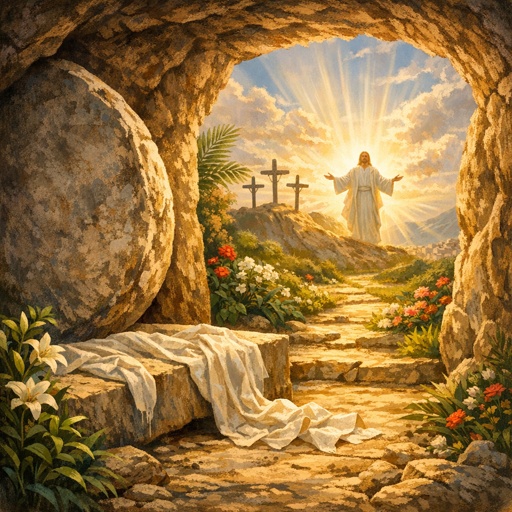
"He is not here: for he is risen, as he said. Come, see the place where the Lord lay." - Matthew 28:6

Matthew 11:28-29 - "Come to me, all you who are weary and burdened, and I will give you rest. Take my yoke upon you and learn from me, for I am gentle and humble in heart, and you will find rest for your souls."

John 6:28-29 - "Then said they unto him, What shall we do, that we might work the works of God? Jesus answered and said unto them, This is the work of God, that ye believe on him whom he hath sent."

Matthew 6:29 expressed as a garden different types of rose bushes and doves. Do not use human figures.

Joel 2:28-29

Joel 2:28-29

Joel 2:28-29

Exodus 23:28-29
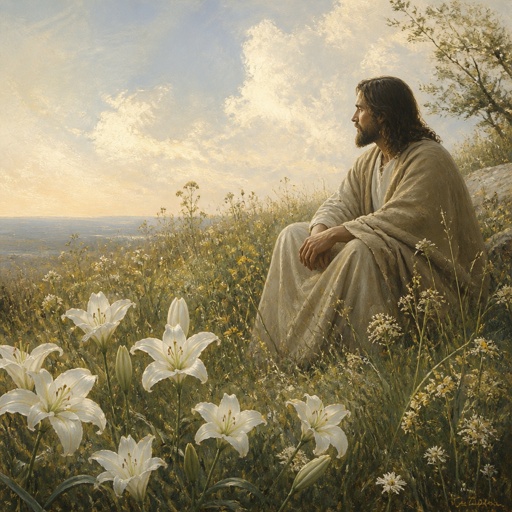
"And why take ye thought for raiment? Consider the lilies of the field, how they grow; they toil not, neither do they spin:" - Matthew 6:28
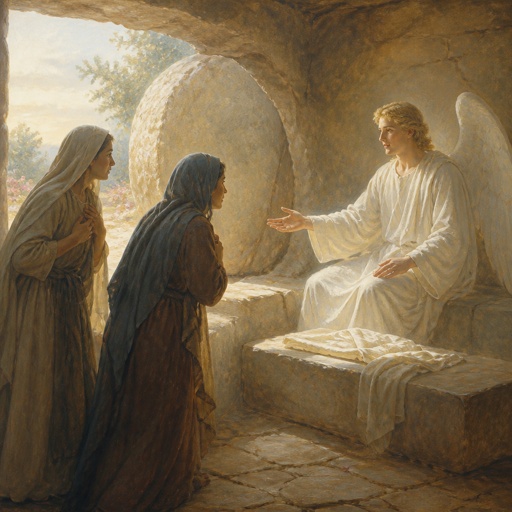
"He is not here: for he is risen, as he said. Come, see the place where the Lord lay." - Matthew 28:6

matthew 28:19

matthew 28:19

Matthew 28:5-6 - "The angel said to the women, “Do not be afraid, for I know that you are looking for Jesus, who was crucified. He is not here; he has risen, just as he said. Come and see the place where he lay."

"And yet I say unto you, That even Solomon in all his glory was not arrayed like one of these." - Matthew 6:29

MATTHEW 28: 23

matthew 8:28

Matthew 23:28

Matthew 28:11

Matthew 23:28

Matthew 20:29-34

Matthew 7:24-29

Matthew 7:24-29

Matthew 28:19-20