What does Matthew 6:12 mean?
"And forgive us our debts, as we forgive our debtors." - Matthew 6:12
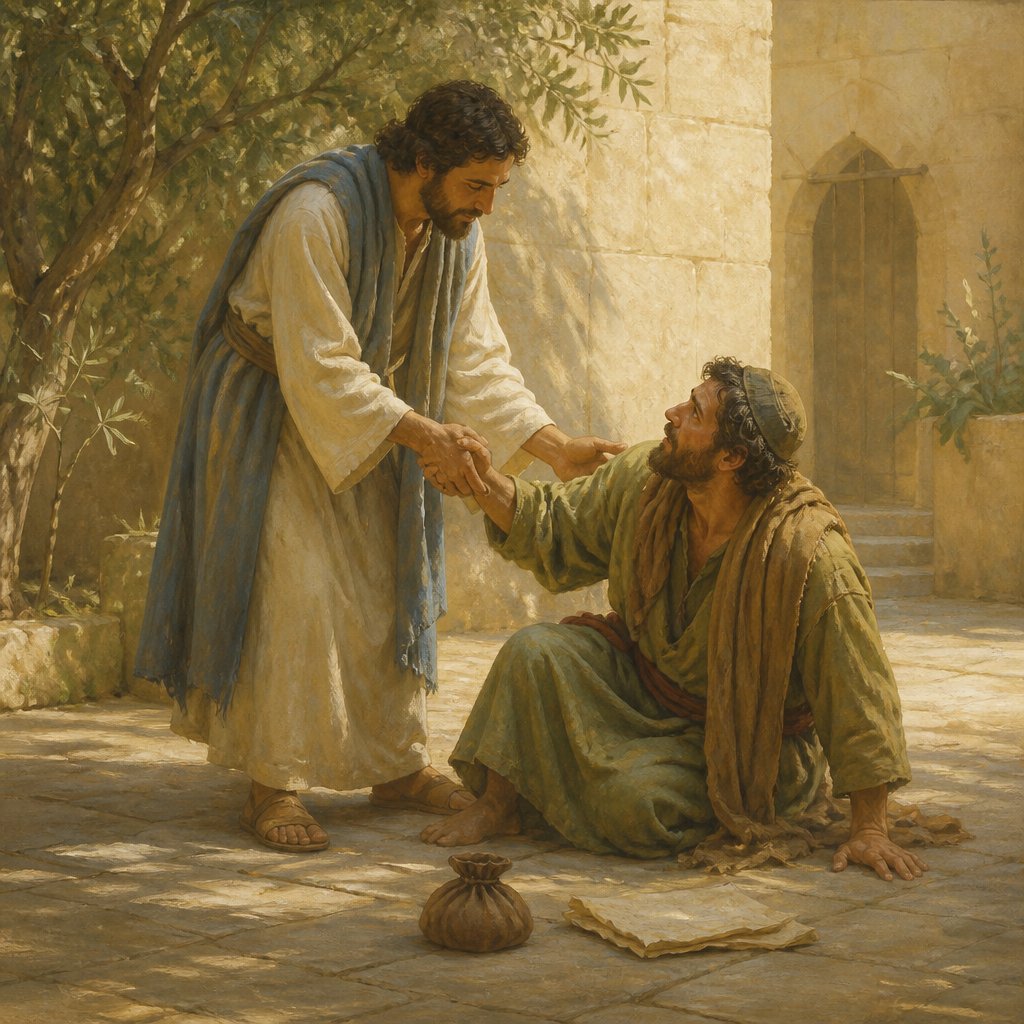
The Bible verse Matthew 6:12 from the King James Version (KJV) states, "And forgive us our debts, as we forgive our debtors." This verse is part of the Lord's Prayer, which Jesus taught to his disciples as a model for how to pray. This particular verse focuses on the concept of forgiveness, both asking for forgiveness for our own sins and expressing a willingness to forgive others.
The theme of forgiveness is central to Christian doctrine, and this verse serves as a reminder of the importance of forgiveness in the Christian life. The concept of forgiveness is prevalent throughout the Bible, and it is often linked to the idea of God's grace and mercy. In this verse, Jesus teaches his followers to seek forgiveness for their own sins while also emphasizing the importance of extending forgiveness to others.
The context of this verse is significant in understanding its meaning. In the preceding verses, Jesus warns against praying in a hypocritical manner, for the purpose of being seen by others. Instead, he instructs his disciples to pray in a private and sincere manner, focusing on their personal relationship with God. This sets the stage for the emphasis on forgiveness in the Lord's Prayer, highlighting the intimate and personal nature of forgiveness in the Christian faith.
The symbolism in this verse is powerful, as it brings to light the interconnectedness of forgiveness between God and humanity, as well as among individuals. The term "debts" can be understood as sin or moral obligations, representing the ways in which individuals fall short of God's standards. By asking for forgiveness of these debts, believers acknowledge their need for God's mercy and grace. In turn, the concept of forgiving our debtors illustrates the reciprocal nature of forgiveness. Just as God extends forgiveness to us, we are called to extend forgiveness to others, recognizing that we have been forgiven much ourselves.
Furthermore, the language of debts and debtors serves as a metaphor for the relational aspect of forgiveness. In the cultural context of the time, debts were a common and practical concern, and failing to pay a debt could result in serious consequences. By using this imagery, Jesus communicates the seriousness of sin and the vital importance of forgiveness in maintaining healthy relationships, both with God and with others.
In a broader theological sense, this verse also points to the atoning work of Christ on the cross. The idea of forgiveness of debts echoes the concept of redemption, as Christ's sacrifice on the cross paid the debt of sin for all who believe in him. This verse thus connects the act of forgiveness to the fundamental Christian belief in the saving work of Jesus, emphasizing the profound impact of forgiveness on the lives of believers.
In conclusion, Matthew 6:12 from the King James Version carries deep significance in its exploration of forgiveness within the Christian faith. It highlights the intimate and personal nature of forgiveness, emphasizing the interconnected relationship between God's forgiveness of our sins and our willingness to forgive others. Through its thematic exploration, contextual relevance, and symbolic imagery, this verse serves as a profound reminder of the transformative power of forgiveness in the Christian life.
Have questions about Matthew 6:12?
Dive deeper into this scripture with Bible Chat — an AI-powered tool for exploring God's Word through conversation. Ask questions, get context, and grow in your understanding of the Bible.
Get Our Apps


Matthew 6:12 Artwork

Matthew 6:12 - "And forgive us our debts, as we forgive our debtors."
"And forgive us our debts, as we forgive our debtors." - Matthew 6:12

Matthew 12:6 - "But I say unto you, That in this place is one greater than the temple."
"But I say unto you, That in this place is one greater than the temple." - Matthew 12:6

Matthew 6:6

Matthew 3:11-12

Matthew 6:23

Matthew 3:11-12

Matthew 3:12

Matthew 3:12

Matthew 23:12

Matthew 7:12

Matthew 23:12

Matthew 7:12

Matthew 3:12

Matthew 18:6

Matthew 6:34

Matthew 18:6

Matthew 6:18

Matthew 6:14

Matthew 6:22

Matthew 6:24

Matthew 6:30

Matthew 6:22

Matthew 6:5

Matthew 6:34

Matthew 6:24

Matthew 6:2

Matthew 6:2

Matthew 6:34