What does Matthew 6:10 mean?
"Thy kingdom come. Thy will be done in earth, as it is in heaven." - Matthew 6:10

The Bible verse Matthew 6:10 in the King James Version (KJV) reads: "Thy kingdom come, Thy will be done in earth, as it is in heaven." This verse is part of the Lord's Prayer, which Jesus taught to his disciples as a model for how to pray.
The verse begins with the phrase "Thy kingdom come," which expresses a longing for God's kingdom to be established on earth. In the broader context of the Lord's Prayer, this line suggests a desire for God's rule and reign to be manifested in a tangible way in the world. It is an acknowledgment of God's sovereignty and a plea for his kingdom to be fully realized in the lives of believers and in the world at large.
The next part of the verse, "Thy will be done in earth, as it is in heaven," further emphasizes the theme of submitting to God's authority and aligning one's will with his. This part of the verse reflects a recognition of God's perfect and unchanging will, and a willingness to see that will fulfilled on earth as it is in heaven. It conveys a desire for obedience to God's commands and a longing for his purposes to be accomplished on earth.
One of the key themes of Matthew 6:10 is the concept of the kingdom of God. Throughout the New Testament, Jesus frequently spoke about the kingdom of God, describing it as both a present reality and a future hope. In this verse, the phrase "Thy kingdom come" points to the eschatological expectation of God's kingdom being fully established at the end of time, while also calling believers to live in a way that reflects the values and principles of that kingdom in the present.
The verse also touches on the theme of the will of God. The phrase "Thy will be done" highlights the importance of seeking and obeying God's will in all things. This theme is echoed in other passages of the Bible, such as Jesus's prayer in the Garden of Gethsemane, where he asks God if there is any other way, but ultimately submits to God's will (Matthew 26:39). The verse calls believers to surrender their own desires and to align themselves with God's will, trusting that his plans and purposes are ultimately for their good.
In terms of context, Matthew 6:10 is part of the Sermon on the Mount, which is found in the Gospel of Matthew chapters 5-7. In this sermon, Jesus addresses a wide range of topics related to discipleship, including prayer, fasting, wealth, and the kingdom of God. The Lord's Prayer, which includes the verse in question, is part of Jesus's teaching on the proper way to pray. By placing this verse within the context of prayer, Jesus is highlighting the importance of aligning one's desires and requests with the will of God.
In addition to its thematic and contextual significance, Matthew 6:10 also contains symbolic elements. The phrase "Thy kingdom come" evokes images of a literal kingdom, with God as the ruler and believers as his subjects. This imagery reflects the idea of God's rule and reign being established on earth. The phrase "Thy will be done" symbolizes the idea of submission and obedience, as well as the alignment of human will with divine will.
In conclusion, Matthew 6:10 is a rich and layered verse that addresses themes of the kingdom of God, the will of God, and the importance of prayer. It serves as a reminder to believers to seek God's kingdom and align their will with his, both in their personal lives and in the broader context of the world. The verse's inclusion in the Lord's Prayer underscores its significance as a model for how Christians are called to approach God in prayer, with humility, submission, and a desire for his will to be accomplished.
Have questions about Matthew 6:10?
Dive deeper into this scripture with Bible Chat — an AI-powered tool for exploring God's Word through conversation. Ask questions, get context, and grow in your understanding of the Bible.
Get Our Apps


Matthew 6:10 Artwork

Matthew 6:10 - "Thy kingdom come. Thy will be done in earth, as it is in heaven."

"Thy kingdom come. Thy will be done in earth, as it is in heaven." - Matthew 6:10

Matthew 10:6 - "But go rather to the lost sheep of the house of Israel."

Matthew 21:21 Philippians 4:6-7 Ephesians 6:10-18 Put the words on the photo

Matthew 21:21 Philippians 4:6-7 Ephesians 6:10-18
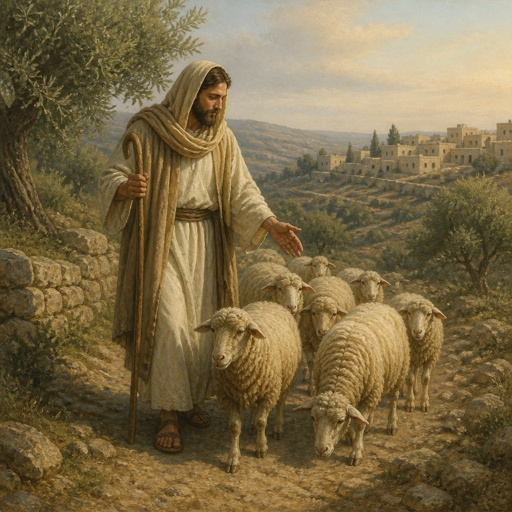
"But go rather to the lost sheep of the house of Israel." - Matthew 10:6

Matthew 6:6

matthew 15 matthew 15:10

Matthew 6:23

Matthew 1:10

Matthew 18:10

Matthew 1:10

Matthew 18:6

Matthew 4:10

Matthew 6:34

Matthew 18:6

Matthew 6:22

Matthew 6:18

Matthew 6:22

Matthew 6:14

Matthew 6:24

Matthew 6:30

Matthew 6:5

Matthew 6:34

Matthew 10:3 - "Philip, and Bartholomew; Thomas, and Matthew the publican; James the son of Alphaeus, and Lebbaeus, whose surname was Thaddaeus;"

for the workman is worthy his meat Matthew 10:10

for the workman is worthy of his meat Matthew 10:10

Matthew 6:24

Matthew 6:2

Matthew 6:2