What does Matthew 5:22 mean?
"But I say unto you, That whosoever is angry with his brother without a cause shall be in danger of the judgment: and whosoever shall say to his brother, Raca, shall be in danger of the council: but whosoever shall say, Thou fool, shall be in danger of hell fire." - Matthew 5:22
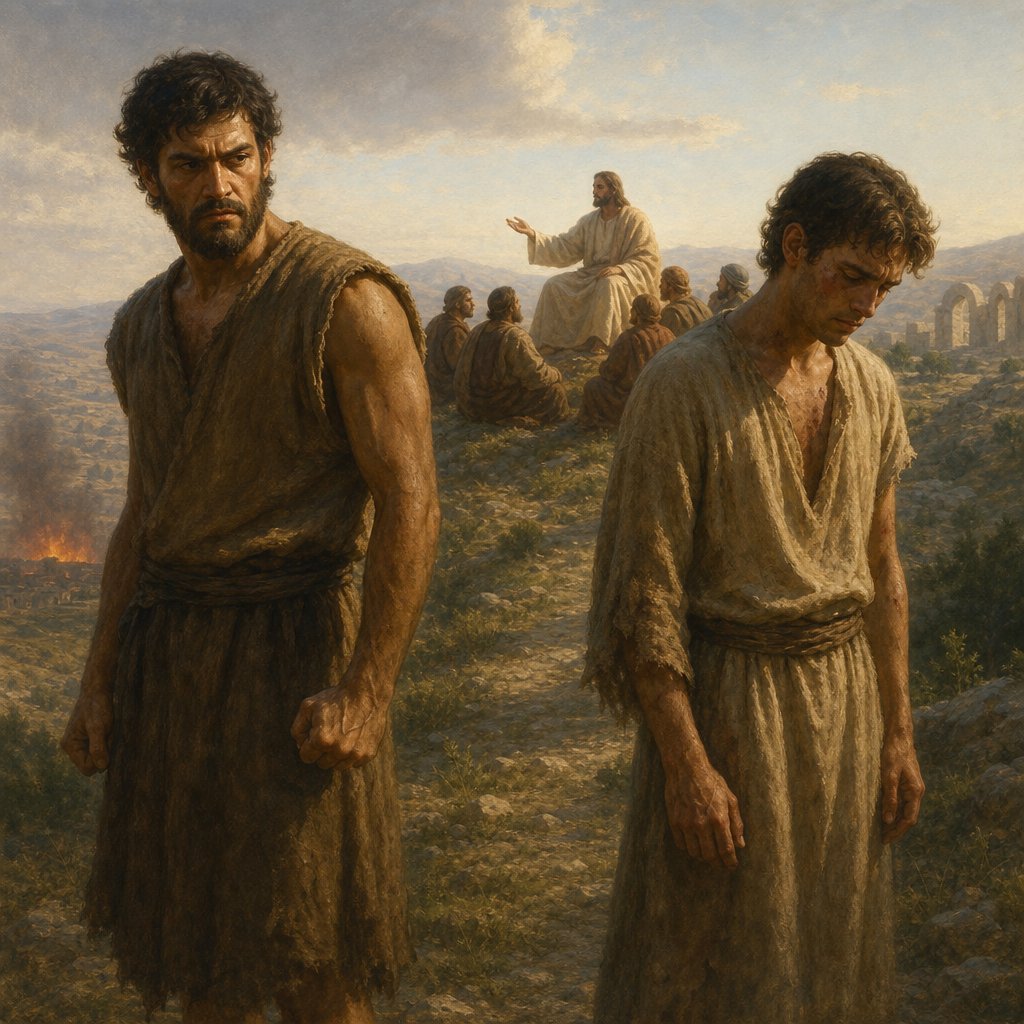
Matthew 5:22 from the King James Version of the Bible states, "But I say unto you, That whosoever is angry with his brother without a cause shall be in danger of the judgment: and whosoever shall say to his brother, Raca, shall be in danger of the council: but whosoever shall say, Thou fool, shall be in danger of hell fire."
This verse is part of Jesus' Sermon on the Mount, and it comes from a larger passage where Jesus is addressing various attitudes and behaviors that his followers should exhibit. In this particular verse, Jesus is discussing the destructive power of anger and the importance of reconciling with others.
At first glance, it may seem like Jesus is putting a great emphasis on the danger of expressing anger towards others. However, it is important to note that Jesus is not condemning anger as a whole, but rather He is warning against unrighteous and unjustified anger. This verse highlights the gravity of allowing our anger to dictate our actions and words.
The word "Raca" used in the verse was an Aramaic term of contempt that was likely meant to demonstrate disdain or contempt towards another person. In biblical context, it is important to remember that God sees and knows the heart of a person. Therefore, Jesus is cautioning His followers against harboring unjustified anger in their hearts and using hurtful words towards others.
The consequences mentioned in this verse - "in danger of the judgment," "in danger of the council," and "in danger of hell fire" - underscore the seriousness of the matter. It is a reminder that God not only sees our outward actions but also examines the intentions and attitudes of our hearts. This verse emphasizes that unrighteous anger and verbal hostility are just as significant as outright violence.
Furthermore, the three different levels of danger mentioned in the verse - judgment, council, and hell fire - could be understood as representing the different degrees of punishment one could face for their wrongdoing. This serves as a warning to believers that even seemingly minor actions, such as angry words towards others, have severe consequences in the eyes of God.
In a broader context, this verse is addressing the issue of reconciliation and relationships. Jesus is reminding His followers that they are called to live in peace with one another and to seek reconciliation rather than harboring anger and resentment. Throughout the Sermon on the Mount, Jesus emphasizes the importance of love, forgiveness, and reconciliation in relationships with others.
Symbolically, this verse can also be interpreted as a reflection of the larger theme of the importance of the condition of one's heart. Jesus consistently emphasized the importance of inner righteousness and purity of heart. Anger and hostility towards others obscure this purity and hinder one's ability to truly love and serve God. The verse serves as a reminder to examine one's heart and address any feelings of anger and bitterness towards others.
In conclusion, Matthew 5:22 from the King James Version of the Bible presents a powerful and convicting message about the destructive power of unrighteous anger and the significance of reconciliation in relationships. It challenges believers to examine their hearts, to seek peace and reconciliation, and to avoid unrighteous anger and hurtful words. Ultimately, it emphasizes the importance of inner righteousness and the cultivation of love and forgiveness towards others.
Have questions about Matthew 5:22?
Dive deeper into this scripture with Bible Chat — an AI-powered tool for exploring God's Word through conversation. Ask questions, get context, and grow in your understanding of the Bible.
Get Our Apps


Matthew 5:22 Artwork
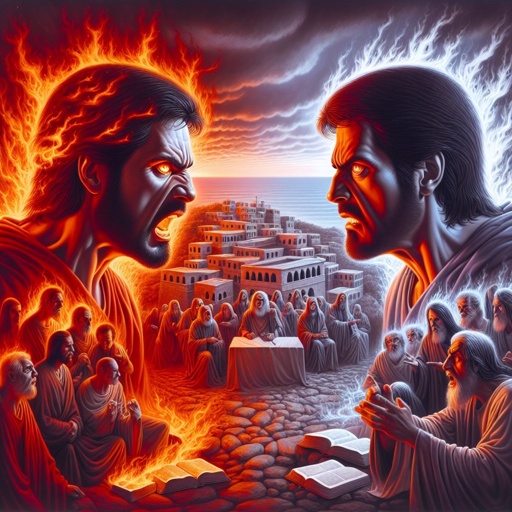
Matthew 5:22 - "But I say unto you, That whosoever is angry with his brother without a cause shall be in danger of the judgment: and whosoever shall say to his brother, Raca, shall be in danger of the council: but whosoever shall say, Thou fool, shall be in danger of hell fire."

Matthew 5:22-24 - "But I say to you that everyone who is angry with his brother will be liable to judgment; whoever insults his brother will be liable to the council; and whoever says, 'You fool!' will be liable to the hell of fire. So if you are offering your gift at the altar and there remember that your brother has something against you, leave your gift there before the altar and go. First be reconciled to your brother, and then come and offer your gift."
"But I say unto you, That whosoever is angry with his brother without a cause shall be in danger of the judgment: and whosoever shall say to his brother, Raca, shall be in danger of the council: but whosoever shall say, Thou fool, shall be in danger of hell fire." - Matthew 5:22
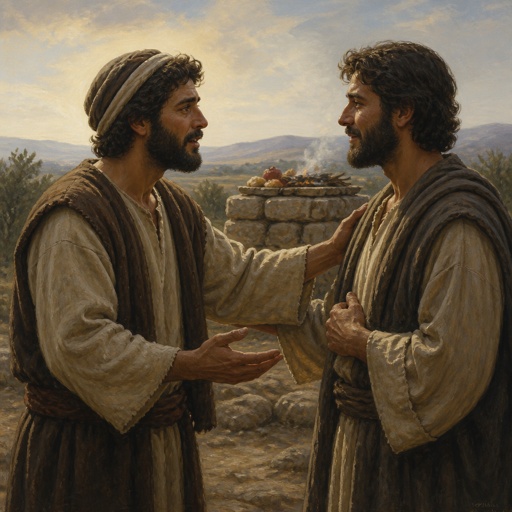
"But I say to you that everyone who is angry with his brother will be liable to judgment; whoever insults his brother will be liable to the council; and whoever says, 'You fool!' will be liable to the hell of fire. So if you are offering your gift at the altar and there remember that your brother has something against you, leave your gift there before the altar and go. First be reconciled to your brother, and then come and offer your gift." - Matthew 5:22-24

Matthew 22:5 - "But they made light of it, and went their ways, one to his farm, another to his merchandise:"
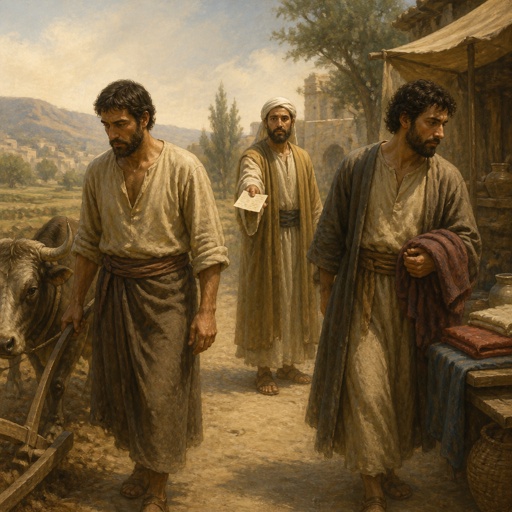
"But they made light of it, and went their ways, one to his farm, another to his merchandise:" - Matthew 22:5

Matthew 9:21-22

Matthew 9:21-22

Matthew 9:21-22

Matthew 9:21-22

Matthew 9:21-22

Matthew 22:22 - "When they had heard these words, they marvelled, and left him, and went their way."

Matthew 6:22

Matthew 6:22

Matthew 6:22

Matthew 22:38 - "This is the first and great commandment."

Matthew 14:22-33

Matthew 5:5 - "Blessed are the meek: for they shall inherit the earth."

Matthew 22:37-39

Matthew 5:44

Matthew 5:44

Matthew 5

Matthew 5

Matthew 22:14 - "For many are called, but few are chosen."

Matthew 22:36 - "Master, which is the great commandment in the law?"

Matthew 5:44

Matthew 5:44

Matthew 5

Matthew 22:27 - "And last of all the woman died also."

Matthew 22:26 - "Likewise the second also, and the third, unto the seventh."