What does Matthew 2:8 mean?
"And he sent them to Bethlehem, and said, Go and search diligently for the young child; and when ye have found him, bring me word again, that I may come and worship him also." - Matthew 2:8
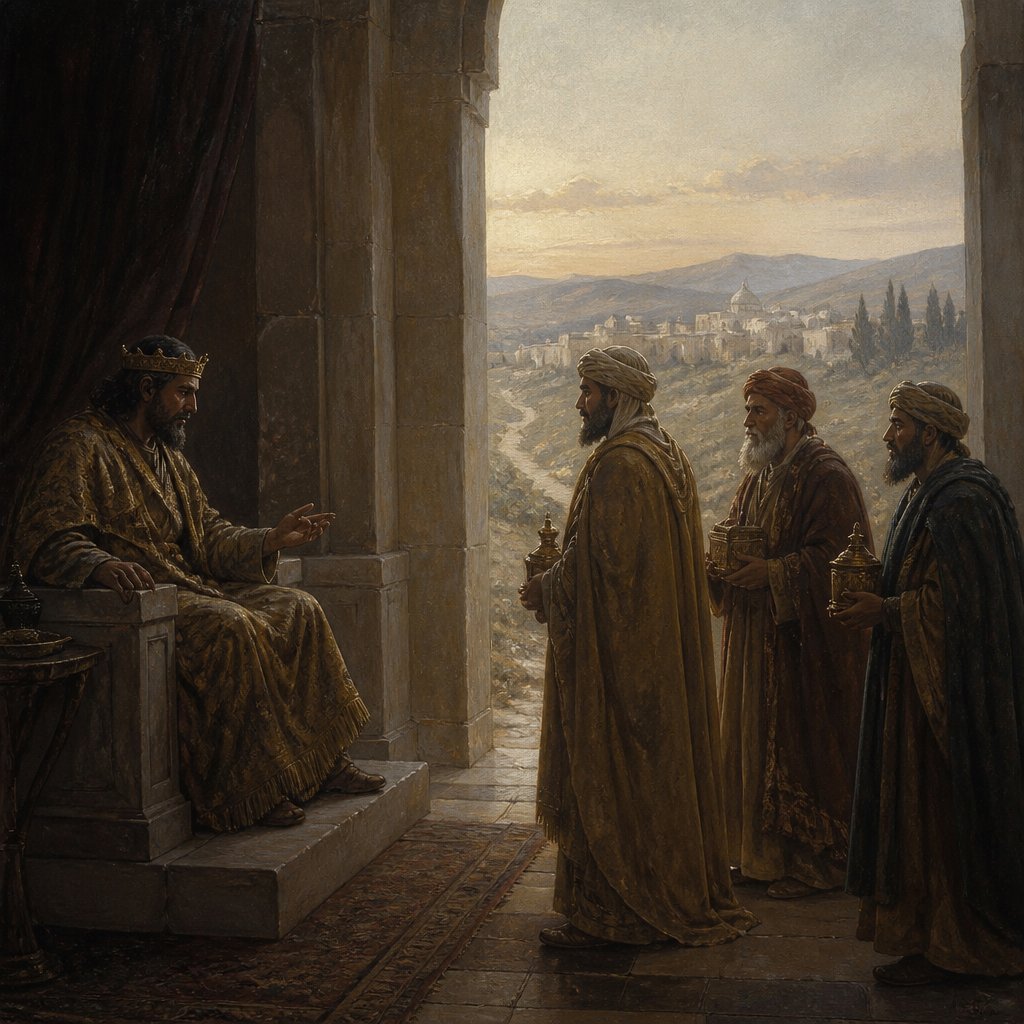
The Bible verse Matthew 2:8 from the King James Version states: "And he sent them to Bethlehem, and said, Go and search diligently for the young child; and when ye have found him, bring me word again, that I may come and worship him also."
This verse is a part of the story of the visit of the Magi to see the young Jesus. After King Herod heard the news of the birth of the new king of the Jews, he gathered the chief priests and scribes and inquired of them where the Christ was to be born. They informed him of the prophecy that the Messiah would be born in Bethlehem. Herod then secretly called the Magi and instructed them to search for the child in Bethlehem and report back to him so that he could also worship the child.
The context of this verse is significant as it sheds light on the interactions between Herod, the Magi, and the birth of Jesus. King Herod's response to the news of the birth of Jesus reflects his insecurity and fear of losing his own power and position. Rather than genuinely wanting to worship the newborn king, Herod was actually plotting to kill the infant out of fear of a potential threat to his rule.
The theme of this verse emphasizes the contrast between the true and false worship. Herod's instruction to the Magi to find the child and report back to him under the pretense of worshiping the child is deceptive and insincere. His true intention is to eliminate the threat posed by the newborn king. On the other hand, the Magi's sincere desire to find and worship Jesus demonstrates a genuine reverence for the promised Messiah.
Symbolism in this verse can be seen in the contrast between the honest adoration of the Magi and the deceitful intent of Herod. The Magi represent those who seek and worship the Messiah with pure hearts, driven by faith and reverence. Their journey to find Jesus symbolizes the pursuit of truth, faith, and devotion. On the other hand, Herod symbolizes the corrupt and self-serving leaders who are threatened by the arrival of the true king and seek to maintain their power through manipulation and deceit.
Furthermore, this verse also highlights the fulfillment of the Old Testament prophecies regarding the birth of the Messiah in Bethlehem. The reference to Bethlehem as the birthplace of the Messiah fulfills the prophecy in Micah 5:2, which foretold the coming of the ruler of Israel from the city of Bethlehem. This demonstrates the continuity and fulfillment of God's promises throughout the Scriptures.
In conclusion, Matthew 2:8 offers valuable insights into the nature of worship, the contrast between sincere and deceitful motives, and the fulfillment of Old Testament prophecies. This verse serves as a reminder of the importance of genuine faith, reverence, and the recognition of the true Messiah. It also serves as a caution against the dangers of self-serving and deceptive attitudes that seek to undermine the true purposes of God. The story of the visit of the Magi continues to inspire and challenge believers to seek and worship Jesus with sincerity and devotion.
Have questions about Matthew 2:8?
Dive deeper into this scripture with Bible Chat — an AI-powered tool for exploring God's Word through conversation. Ask questions, get context, and grow in your understanding of the Bible.
Get Our Apps


Matthew 2:8 Artwork

Matthew 2:8 - "And he sent them to Bethlehem, and said, Go and search diligently for the young child; and when ye have found him, bring me word again, that I may come and worship him also."
"And he sent them to Bethlehem, and said, Go and search diligently for the young child; and when ye have found him, bring me word again, that I may come and worship him also." - Matthew 2:8

Matthew 8:2 - "And, behold, there came a leper and worshipped him, saying, Lord, if thou wilt, thou canst make me clean."

Matthew 8:13

Matthew 8:13

Matthew 8:13

Matthew 8:32

Matthew 8:32

Matthew 8:32

Matthew 24:8

Matthew 13:8

matthew 8:28

Matthew 24:8 - "All these are the beginning of sorrows."

Matthew 5:8-12

Matthew 8:1-4
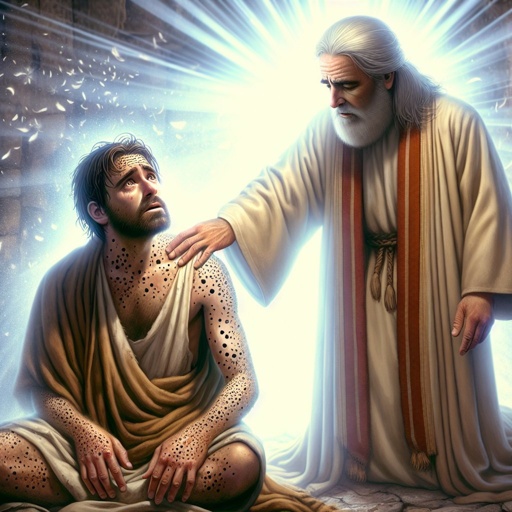
Matthew 8:2-3 - "And a leper came to him, imploring him, and kneeling said to him, “If you will, you can make me clean.” Moved with compassion, Jesus stretched out his hand and touched him and said to him, “I will; be clean.”"

Matthew 5:8 - "Blessed are the pure in heart: for they shall see God."

Matthew 3:8 - "Bring forth therefore fruits meet for repentance:"

Matthew 12:8 - "For the Son of man is Lord even of the sabbath day."

Matthew 27:8 - "Wherefore that field was called, The field of blood, unto this day."

"All these are the beginning of sorrows." - Matthew 24:8
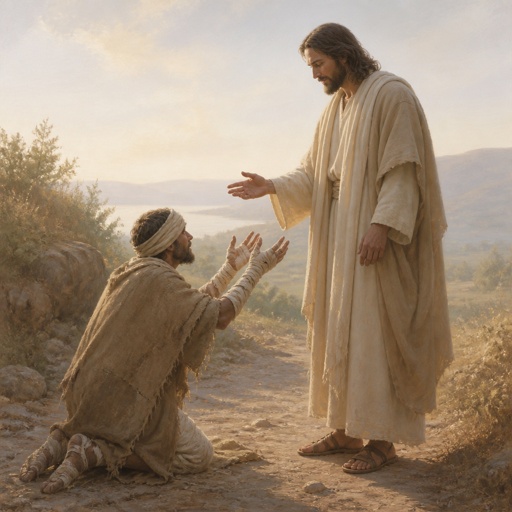
"And, behold, there came a leper and worshipped him, saying, Lord, if thou wilt, thou canst make me clean." - Matthew 8:2

Matthew 8:7 - "And Jesus saith unto him, I will come and heal him."

Matthew 8:23 - "¶ And when he was entered into a ship, his disciples followed him."

Matthew 8:2-3 (KJVA) 2 And, behold, there came a leper and worshipped him, saying, Lord, if thou wilt, thou canst make me clean. 3 And Jesus put forth his hand, and touched him, saying, I will; be thou clean. And immediately his leprosy was cleansed.

Matthew 8:2-3 (KJVA) 2 And, behold, there came a leper and worshipped him, saying, Lord, if thou wilt, thou canst make me clean. 3 And Jesus put forth his hand, and touched him, saying, I will; be thou clean. And immediately his leprosy was cleansed.

Matthew 2:1-2

Matthew 8:30 - "And there was a good way off from them an herd of many swine feeding."

Matthew 1:8 - "And Asa begat Josaphat; and Josaphat begat Joram; and Joram begat Ozias;"
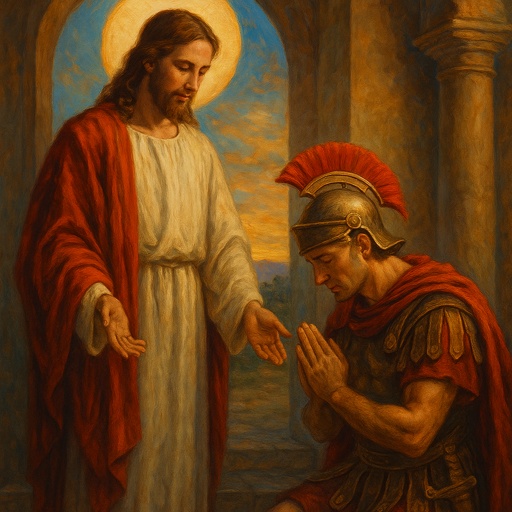
"The centurion answered and said, Lord, I am not worthy that thou shouldest come under my roof: but speak the word only, and my servant shall be healed." - Matthew 8:8