What does Matthew 26:63 mean?
"But Jesus held his peace. And the high priest answered and said unto him, I adjure thee by the living God, that thou tell us whether thou be the Christ, the Son of God." - Matthew 26:63
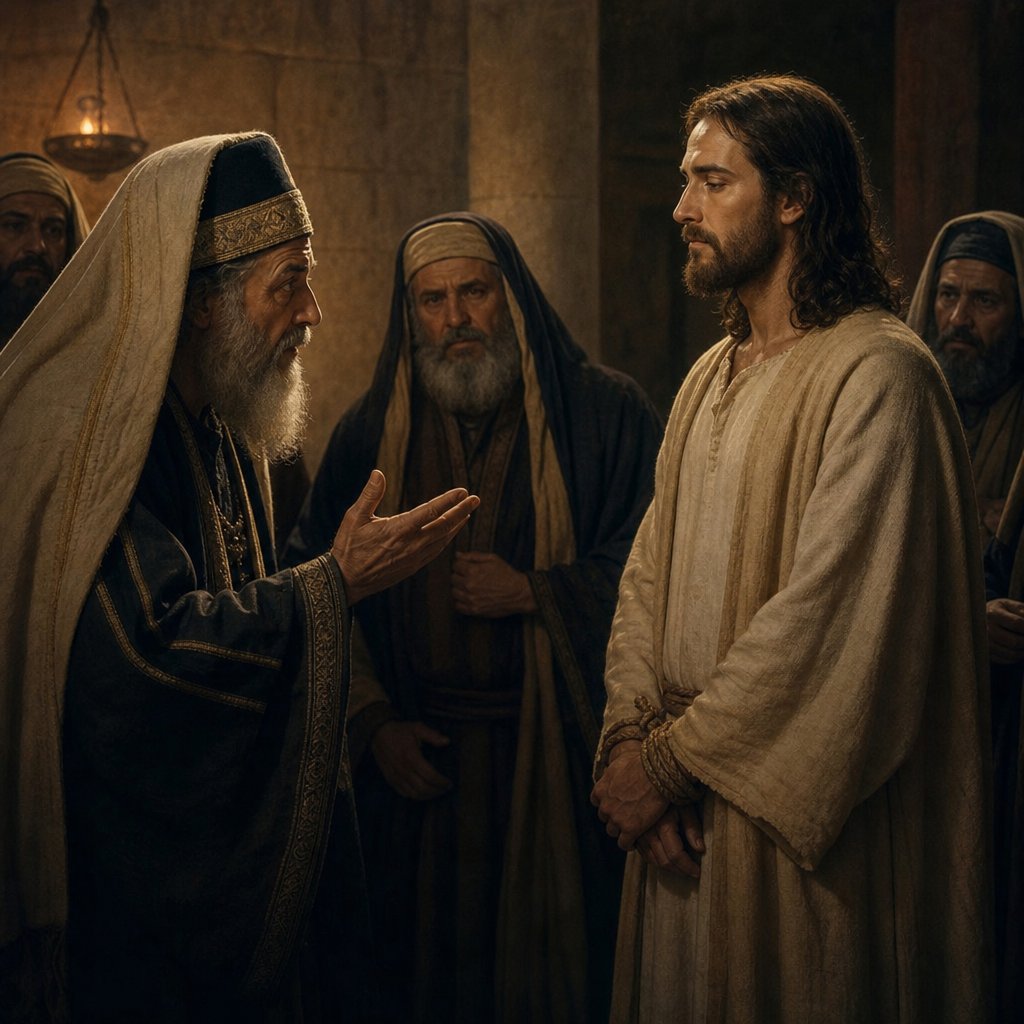
Matthew 26:63 in the King James Version reads, “But Jesus held his peace. And the high priest answered and said unto him, I adjure thee by the living God, that thou tell us whether thou be the Christ, the Son of God.”
This verse sits in the middle of Jesus’ nighttime examination before the Jewish council, after he has been taken in Gethsemane and brought to Caiaphas the high priest. False witnesses have been sought and their testimonies have not agreed, leaving the proceeding exposed as unstable and unjust. In that atmosphere Jesus “held his peace,” not because he has nothing to say, but because the trial has already shown itself to be more about securing a verdict than discovering truth. His silence also fulfils the pattern of the righteous sufferer who does not defend himself in the face of wrongful accusation, and it heightens the moral contrast between the calm, self-possessed Christ and the agitated court determined to condemn him.
The phrase “Jesus held his peace” carries both spiritual and symbolic weight. He is not trapped by his accusers’ questions, nor drawn into a debate on their terms. His restraint shows authority rather than weakness. In the surrounding narrative, words have been used as weapons—testimony twisted, charges manufactured—yet Jesus refuses to participate in that corruption of speech. His silence becomes a form of testimony: it exposes the emptiness of the accusations and forces the high priest to shift from indirect allegations to the central issue of Jesus’ identity. It is also a moment of submission. Jesus is moving toward the cross willingly, and the silence signals that the hour is not being taken from him by force; rather, he is allowing events to unfold according to God’s purpose.
Against that silence comes the high priest’s escalation: “I adjure thee by the living God.” To “adjure” is to place someone under a solemn charge, invoking God as witness and demanding an answer under oath. It is not a casual question but a legal-religious compulsion. The high priest is effectively saying that Jesus must now speak in the presence of God, as though calling upon divine authority to force the truth into the open. There is deep irony in this. The office that claims to guard reverence for God invokes “the living God” in a proceeding aimed at condemning the One Christians confess as God’s Christ. The invocation heightens the seriousness of the moment: what is asked is not a minor doctrinal point but the defining claim of Jesus’ mission.
The title at the center of the charge—“the Christ, the Son of God”—brings together hope, kingship, and divine sonship. “The Christ” is the anointed one, the promised king in Israel’s expectation, and to confess him as such is to affirm that God’s promised deliverer has come. “The Son of God” intensifies the question beyond political messiahship into a claim of unique relationship with God. The high priest is not merely asking whether Jesus is a teacher or prophet; he is requiring Jesus either to deny or to confirm the claim that would make him the focal point of Israel’s faith and the fulfillment of God’s promises. This is why the question is framed in the most direct and absolute way: “that thou tell us whether thou be” this person. The court has failed to convict him by conflicting witnesses, so it turns to a forced confession about identity.
The themes of authority and judgment run through the verse. On the surface, Jesus appears to be judged, questioned, and constrained by the high priest. Yet the wording reveals a reversal. The high priest appeals to “the living God,” but the narrative is moving toward the reality that God’s judgment will stand over this court and over all human tribunals. Jesus’ silence, then, is not defeat; it is the calm of someone who knows that ultimate vindication does not come from the courtroom he stands in, but from God. The living God invoked to compel Jesus’ speech is the same God whose purposes are being fulfilled through Jesus’ submission.
The verse also highlights the tragic collision between religious form and spiritual reality. The high priest uses sacred language—oath, God’s name, the confession of messiahship—in a setting that has already shown itself to be driven by expediency. The symbolism is stark: the institutional guardians of Israel’s worship have become, in this moment, the chief human agents pressing toward the rejection of the one they are asking about. The living God is named, but living faith is absent. The question is formally orthodox in its subject matter—who is the Christ?—yet it is asked not in pursuit of worship but in pursuit of a charge.
In significance, Matthew 26:63 is a turning point. It concentrates the whole controversy about Jesus into one direct demand. It shows Jesus’ deliberate silence before wrongful accusation, the high priest’s attempt to bind him by oath, and the centrality of Jesus’ identity as “the Christ, the Son of God.” It also sets the stage for the decisive answer that follows in the next verse, where Jesus speaks plainly. But even before that reply is given, this verse makes clear that the cross is not simply the result of political accident or misunderstanding; it is bound up with the world’s response to the claim of who Jesus is, and with the solemn weight of that claim being pressed into the open “by the living God.”
Have questions about Matthew 26:63?
Dive deeper into this scripture with Bible Chat — an AI-powered tool for exploring God's Word through conversation. Ask questions, get context, and grow in your understanding of the Bible.
Get Our Apps


Matthew 26:63 Artwork

Matthew 26:63 - "But Jesus held his peace. And the high priest answered and said unto him, I adjure thee by the living God, that thou tell us whether thou be the Christ, the Son of God."
"But Jesus held his peace. And the high priest answered and said unto him, I adjure thee by the living God, that thou tell us whether thou be the Christ, the Son of God." - Matthew 26:63

Numbers 26:63 - "¶ These are they that were numbered by Moses and Eleazar the priest, who numbered the children of Israel in the plains of Moab by Jordan near Jericho."

Matthew 27:63 - "Saying, Sir, we remember that that deceiver said, while he was yet alive, After three days I will rise again."
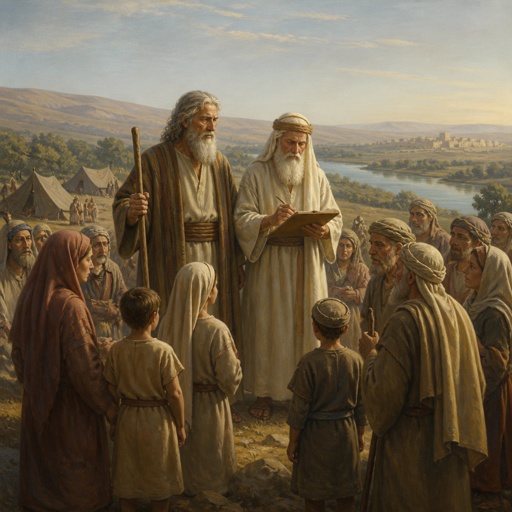
"¶ These are they that were numbered by Moses and Eleazar the priest, who numbered the children of Israel in the plains of Moab by Jordan near Jericho." - Numbers 26:63

Matthew 26:25

Matthew 26:15

Matthew 19:26

Matthew 26:15

Matthew 27:26

Matthew 27:26

Matthew 26:53

Matthew 26:65

Matthew 26:41

Matthew 26:53
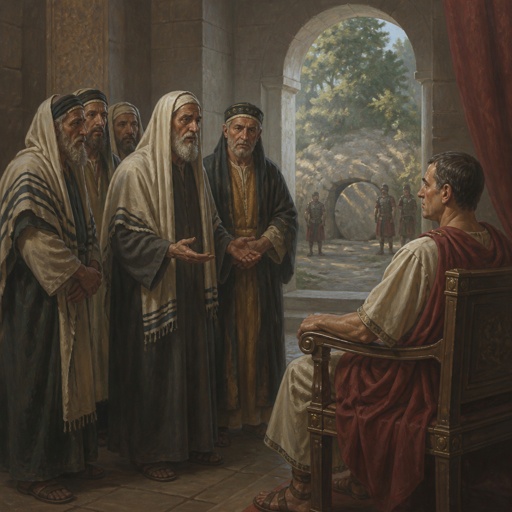
"Saying, Sir, we remember that that deceiver said, while he was yet alive, After three days I will rise again." - Matthew 27:63

Matthew 26:26 - "¶ And as they were eating, Jesus took bread, and blessed it, and brake it, and gave it to the disciples, and said, Take, eat; this is my body."

Matthew 22:26 - "Likewise the second also, and the third, unto the seventh."

Matthew 9:26 - "And the fame hereof went abroad into all that land."

Matthew 26:54 - "But how then shall the scriptures be fulfilled, that thus it must be?"

Matthew 26:6 - "¶ Now when Jesus was in Bethany, in the house of Simon the leper,"

Matthew 26:4 - "And consulted that they might take Jesus by subtilty, and kill him."

Matthew 26:5 - "But they said, Not on the feast day, lest there be an uproar among the people."

Matthew 26:16 - "And from that time he sought opportunity to betray him."

Matthew 26:72 - "And again he denied with an oath, I do not know the man."

Matthew 11:26 - "Even so, Father: for so it seemed good in thy sight."

Matthew 26:20 - "Now when the even was come, he sat down with the twelve."

Matthew 26:30 - "And when they had sung an hymn, they went out into the mount of Olives."

Matthew 26:66 - "What think ye? They answered and said, He is guilty of death."

Matthew 26:9 - "For this ointment might have been sold for much, and given to the poor."