What does Matthew 26:61 mean?
"And said, This fellow said, I am able to destroy the temple of God, and to build it in three days." - Matthew 26:61
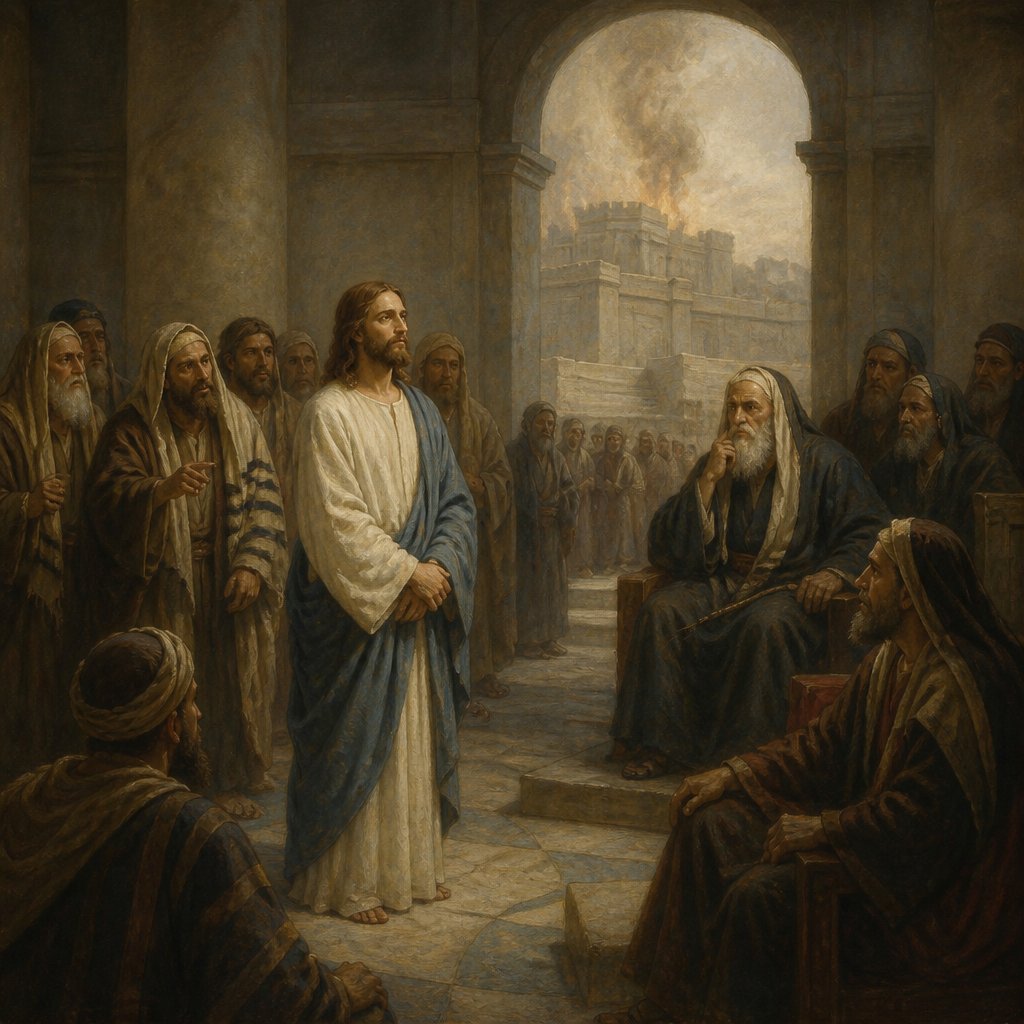
Matthew 26:61 (KJV) states, "And said, This fellow said, I am able to destroy the temple of God, and to build it in three days." This verse is part of the larger narrative of Jesus' trial and crucifixion, and it is significant in its portrayal of the false accusations and misunderstandings that Jesus faced.
In this verse, the chief priests and elders are making false accusations against Jesus, claiming that he said he could destroy the temple of God and rebuild it in three days. At first glance, this accusation seems to be a deliberate misrepresentation of Jesus' words. However, when we examine the context and symbolism of this verse, we can uncover deeper layers of meaning.
The temple of God was a foundational symbol in ancient Judaism, representing the dwelling place of God and the heart of the Jewish religious and cultural identity. When Jesus spoke about the temple, he was often making profound statements about his own identity and the nature of his mission. In John 2:19-21 (KJV), Jesus says, "Destroy this temple, and in three days I will raise it up...But he spake of the temple of his body." In this passage, Jesus is foreshadowing his own death and resurrection, using the symbolism of the temple to point to the significance of his own body as the ultimate dwelling place of God and the means of salvation for humanity.
In light of this, the false accusation in Matthew 26:61 takes on a deeper significance. While the chief priests and elders may have misunderstood or deliberately misrepresented Jesus' words, their accusation unwittingly points to the profound truth of Jesus' identity as the ultimate temple of God. Jesus was indeed able to destroy the temple of his body through his death on the cross, and he was able to rebuild it in three days through his resurrection. This shows a remarkable fulfillment of Jesus' own words and demonstrates the divine plan at work even in the false accusations and misunderstandings of his accusers.
The themes of misunderstanding and misrepresentation in this verse are powerful and poignant. Throughout his ministry, Jesus faced constant opposition and misunderstanding from religious leaders and others who failed to grasp the true nature of his mission. This verse serves as a microcosm of this broader theme, highlighting the profound irony of the false accusations against Jesus and the ultimate truth that they unconsciously pointed to.
Furthermore, this verse serves as a reminder of the broader theme of the fulfillment of prophecy and the divine plan at work in the events of Jesus' crucifixion and resurrection. The false accusations against Jesus ultimately played a role in the fulfillment of God's redemptive plan, even though they were made in ignorance or malice. This underscores the overarching sovereignty of God and the profound depth of his divine purposes, as well as the unexpected ways in which they are fulfilled.
In conclusion, Matthew 26:61 is a verse that carries deep layers of meaning and significance within the broader narrative of Jesus' trial and crucifixion. It illustrates the themes of misunderstanding, misrepresentation, and the fulfillment of prophecy, pointing to the profound truth of Jesus' identity as the ultimate temple of God. Through its themes and symbolism, this verse invites readers to contemplate the profound irony and depth of God's divine plan at work in the events of Jesus' death and resurrection.
Have questions about Matthew 26:61?
Dive deeper into this scripture with Bible Chat — an AI-powered tool for exploring God's Word through conversation. Ask questions, get context, and grow in your understanding of the Bible.
Get Our Apps


Matthew 26:61 Artwork

Matthew 26:61 - "And said, This fellow said, I am able to destroy the temple of God, and to build it in three days."
"And said, This fellow said, I am able to destroy the temple of God, and to build it in three days." - Matthew 26:61

Matthew 27:61 - "And there was Mary Magdalene, and the other Mary, sitting over against the sepulchre."

Numbers 26:61 - "And Nadab and Abihu died, when they offered strange fire before the LORD."
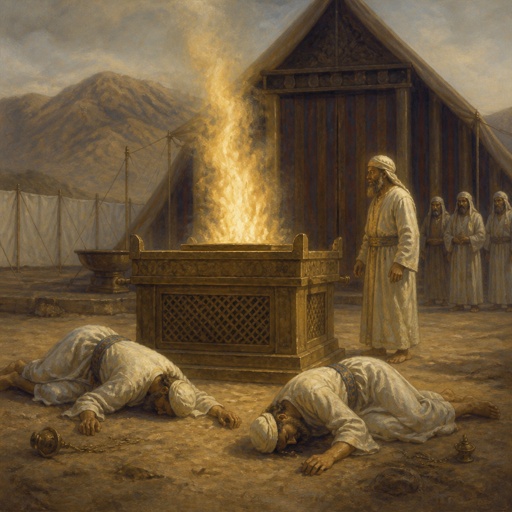
"And Nadab and Abihu died, when they offered strange fire before the LORD." - Numbers 26:61
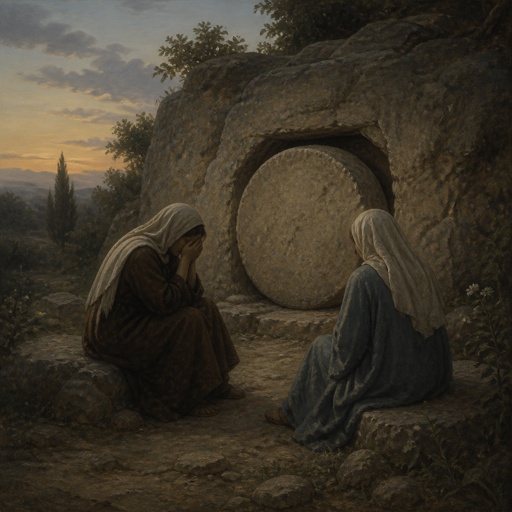
"And there was Mary Magdalene, and the other Mary, sitting over against the sepulchre." - Matthew 27:61

Matthew 26:25

Matthew 26:15

Matthew 19:26

Matthew 26:15

Matthew 27:26

Matthew 27:26

Matthew 26:53

Matthew 26:65

Matthew 26:41

Matthew 26:53

Matthew 26:26 - "¶ And as they were eating, Jesus took bread, and blessed it, and brake it, and gave it to the disciples, and said, Take, eat; this is my body."

Matthew 22:26 - "Likewise the second also, and the third, unto the seventh."

Matthew 9:26 - "And the fame hereof went abroad into all that land."

Matthew 26:54 - "But how then shall the scriptures be fulfilled, that thus it must be?"

Matthew 26:6 - "¶ Now when Jesus was in Bethany, in the house of Simon the leper,"

Matthew 26:4 - "And consulted that they might take Jesus by subtilty, and kill him."

Matthew 26:5 - "But they said, Not on the feast day, lest there be an uproar among the people."

Matthew 26:16 - "And from that time he sought opportunity to betray him."

Matthew 26:72 - "And again he denied with an oath, I do not know the man."

Matthew 11:26 - "Even so, Father: for so it seemed good in thy sight."

Matthew 26:20 - "Now when the even was come, he sat down with the twelve."

Matthew 26:30 - "And when they had sung an hymn, they went out into the mount of Olives."

Matthew 26:66 - "What think ye? They answered and said, He is guilty of death."

Matthew 26:9 - "For this ointment might have been sold for much, and given to the poor."