What does Matthew 26:50 mean?
"And Jesus said unto him, Friend, wherefore art thou come? Then came they, and laid hands on Jesus, and took him." - Matthew 26:50
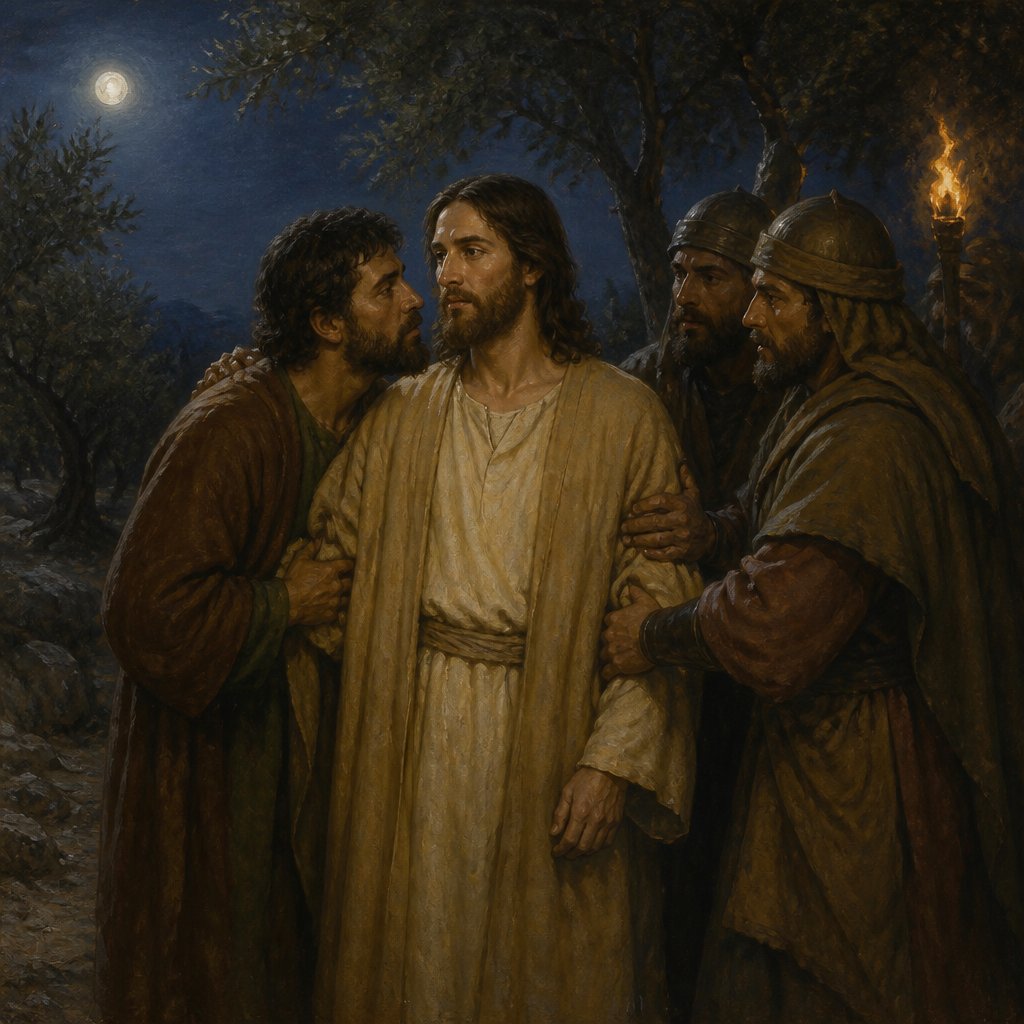
In the King James Version of the Bible, Matthew 26:50 reads, "And Jesus said unto him, Friend, wherefore art thou come? Then came they, and laid hands on Jesus and took him." This verse is part of the larger narrative of Jesus' betrayal and arrest in the Garden of Gethsemane.
The context of this verse is crucial to understanding its significance. Prior to this moment, Jesus had been praying in the Garden of Gethsemane, knowing that his arrest and crucifixion were imminent. Judas Iscariot, one of Jesus' twelve disciples, had already made a deal with the chief priests to betray Jesus for thirty pieces of silver (Matthew 26:14-16). In the verse preceding verse 50, Judas approaches Jesus and greets him with a kiss, a signal to the soldiers to arrest him. It is at this moment that Jesus addresses Judas as "friend" and questions his intentions.
The use of the term "friend" is significant in this context. Jesus addressing Judas as "friend" reflects his deep understanding of the pain and betrayal that he is about to endure. Despite knowing that Judas is about to betray him, Jesus still shows compassion and love towards him. This act of calling Judas "friend" also serves as a demonstration of Jesus' unwavering commitment to his message of love and forgiveness, even in the face of betrayal and impending suffering.
Furthermore, Jesus' question to Judas, "wherefore art thou come?" is a poignant reminder of the gravity of the betrayal that is about to take place. It is a question that goes beyond the immediate circumstances and touches on the deeper spiritual and moral implications of Judas' actions. Jesus' question serves as a call to reflection and self-examination, challenging Judas to confront the motivations and intentions behind his betrayal.
The latter part of the verse, "Then came they, and laid hands on Jesus and took him," marks the moment of Jesus' arrest. It is a pivotal moment in the narrative of Jesus' crucifixion, as it signifies the beginning of his journey towards the fulfillment of his purpose on Earth. The use of the phrase "laid hands on Jesus" highlights the physical and symbolic act of seizing Jesus, further emphasizing the violent and unjust nature of his arrest.
Symbolically, this verse captures the complex interplay of betrayal, forgiveness, and the fulfillment of divine purpose. It serves as a powerful reminder of Jesus' unwavering commitment to his mission, even in the face of overwhelming adversity. The use of the term "friend" and the poignant question to Judas encapsulate the depth of Jesus' love and his willingness to extend grace to even those who have wronged him. Furthermore, the act of Jesus' arrest signifies the beginning of the culmination of his sacrificial journey towards redemption and salvation for humanity.
Thematically, this verse speaks to the timeless and universal themes of love, forgiveness, and the cost of discipleship. It serves as a profound example of Jesus' teachings in action, illustrating the radical nature of love and forgiveness in the face of betrayal and suffering. It also speaks to the inherent tension between human frailty and the divine purpose, as evidenced in Judas' betrayal and Jesus' unwavering commitment to his mission.
In conclusion, Matthew 26:50 is a deeply evocative and spiritually rich verse that captures the complex dynamics of betrayal, forgiveness, and the fulfillment of divine purpose. It serves as a poignant reflection of Jesus' unwavering commitment to his message of love and redemption, even in the face of imminent suffering and betrayal. This verse continues to resonate with believers, offering profound insights into the nature of grace, sacrifice, and the transformative power of steadfast faith.
Have questions about Matthew 26:50?
Dive deeper into this scripture with Bible Chat — an AI-powered tool for exploring God's Word through conversation. Ask questions, get context, and grow in your understanding of the Bible.
Get Our Apps


Matthew 26:50 Artwork

Matthew 26:50 - "And Jesus said unto him, Friend, wherefore art thou come? Then came they, and laid hands on Jesus, and took him."
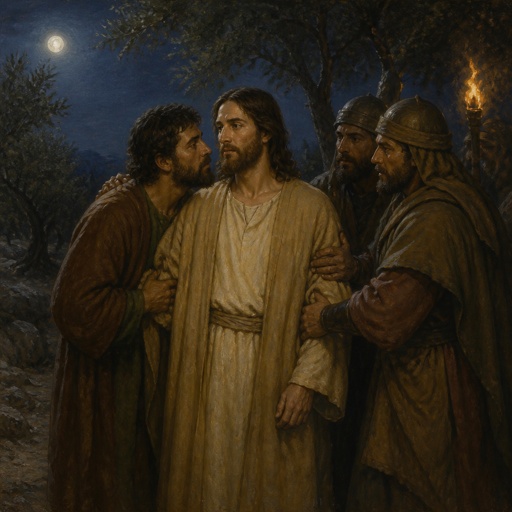
"And Jesus said unto him, Friend, wherefore art thou come? Then came they, and laid hands on Jesus, and took him." - Matthew 26:50

Genesis 50:26

Genesis 50:26

Genesis 50:26

Genesis 50:26

Create a coffin for Joseph Genesis 50:26

Matthew 13:50 - "And shall cast them into the furnace of fire: there shall be wailing and gnashing of teeth."

Matthew 12:50 - "For whosoever shall do the will of my Father which is in heaven, the same is my brother, and sister, and mother."

Matthew 27:50 - "¶ Jesus, when he had cried again with a loud voice, yielded up the ghost."

Numbers 26:50 - "These are the families of Naphtali according to their families: and they that were numbered of them were forty and five thousand and four hundred."

Matthew 24:50 - "The lord of that servant shall come in a day when he looketh not for him, and in an hour that he is not aware of,"

Genesis 50:26 - "So Joseph died, being an hundred and ten years old: and they embalmed him, and he was put in a coffin in Egypt."

Jeremiah 50:26 - "Come against her from the utmost border, open her storehouses: cast her up as heaps, and destroy her utterly: let nothing of her be left."

Matthew 26:25

Matthew 26:15

Matthew 19:26

Matthew 26:15

Matthew 27:26

Matthew 27:26

Matthew 26:53

Matthew 26:65

Matthew 26:41

Matthew 26:53
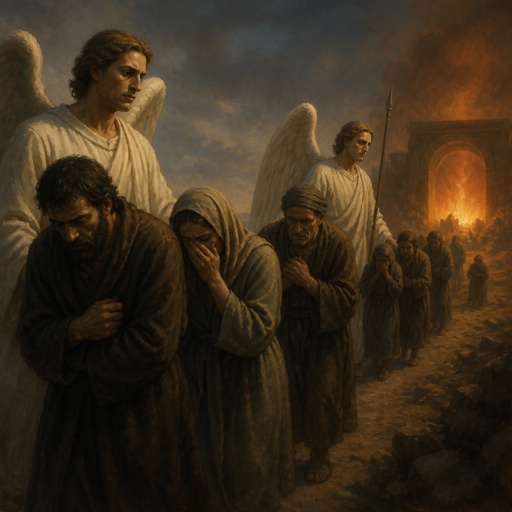
"And shall cast them into the furnace of fire: there shall be wailing and gnashing of teeth." - Matthew 13:50

Exodus 26:5 - "Fifty loops shalt thou make in the one curtain, and fifty loops shalt thou make in the edge of the curtain that is in the coupling of the second; that the loops may take hold one of another."

Matthew 26:26 - "¶ And as they were eating, Jesus took bread, and blessed it, and brake it, and gave it to the disciples, and said, Take, eat; this is my body."
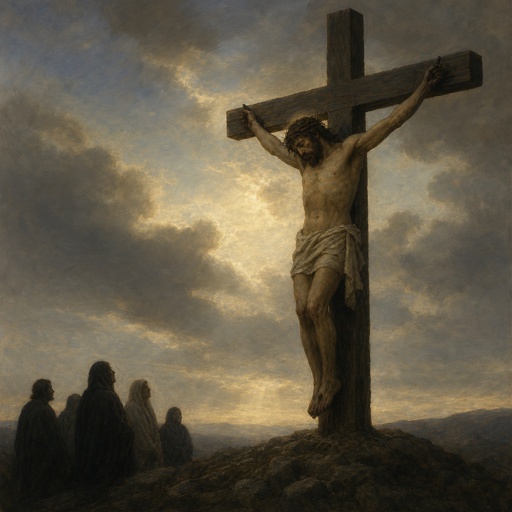
"¶ Jesus, when he had cried again with a loud voice, yielded up the ghost." - Matthew 27:50

Matthew 22:26 - "Likewise the second also, and the third, unto the seventh."

Matthew 9:26 - "And the fame hereof went abroad into all that land."