What does Matthew 26:25 mean?
"Then Judas, which betrayed him, answered and said, Master, is it I? He said unto him, Thou hast said." - Matthew 26:25

The Bible verse Matthew 26:25 in the King James Version (KJV) reads: "Then Judas, which betrayed him, answered and said, Master, is it I? He said unto him, Thou hast said." This verse is part of the account of the Last Supper, where Jesus reveals to his disciples that one of them will betray him. Judas, when questioned by Jesus, responds with these words.
The context of this verse is essential for understanding its significance. The Last Supper is a crucial event in the life of Jesus, as it is the final meal he shares with his disciples before his crucifixion. During this meal, Jesus predicts his betrayal, and each of the disciples responds with shock and disbelief, each asking him, "Is it I, Lord?"
When Judas asks this question, he demonstrates his awareness of the possibility that he is the one who will betray Jesus, but it also reveals his duplicity. He pretends ignorance while knowing in his heart that he is, in fact, the betrayer. This displays Judas's deceitful nature and foreshadows his eventual actions in betraying Jesus for thirty pieces of silver.
The theme of betrayal is central to this verse. Judas's question, "Master, is it I?" reveals the tension and treachery that is brewing within the group of disciples. Betrayal is not only a theme in this specific verse but also a recurring theme throughout the Bible, as seen in the stories of Joseph and his brothers, Samson and Delilah, and even the ultimate betrayal of Jesus by one of his closest followers.
The symbolism in this verse can be found in the exchange between Jesus and Judas. Jesus's knowledge of Judas's betrayal and his response, "Thou hast said," symbolizes his acceptance of his role as the sacrificial lamb for the sins of the world. It also illustrates Jesus's willingness to fulfill his purpose, despite the pain and suffering it will bring him.
The verse also serves as a reminder of the complex and often dark nature of human character. Judas's question and Jesus's response highlight the inner turmoil and moral conflict that can exist within individuals. It serves as a cautionary tale about the dangers of succumbing to greed and deceit, as Judas did, and the devastating consequences of such actions.
Furthermore, this verse emphasizes the omniscience and sovereignty of Jesus. He knew from the beginning who would betray him and when it would happen. His calm and deliberate response to Judas's question demonstrates his complete control over the situation, even as he prepares to face the anguish of the cross.
In conclusion, Matthew 26:25 in the King James Version carries deep meaning and significance within the context of the Last Supper. It delves into themes of betrayal, deceit, and the inner struggles of humanity. The symbolism in this verse points to the sacrificial nature of Jesus and his unwavering commitment to fulfill his divine purpose. It serves as a poignant reminder of the complexities of human nature and the timeless truths found in the Bible.
Have questions about Matthew 26:25?
Dive deeper into this scripture with Bible Chat — an AI-powered tool for exploring God's Word through conversation. Ask questions, get context, and grow in your understanding of the Bible.
Get Our Apps


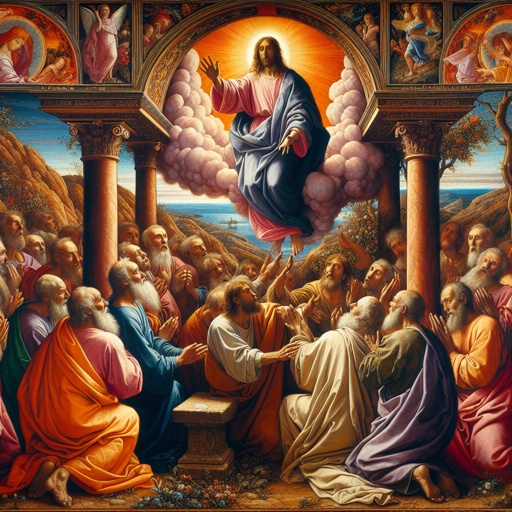
Matthew 26:25 Artwork

Matthew 26:25

Matthew 26:25 - "Then Judas, which betrayed him, answered and said, Master, is it I? He said unto him, Thou hast said."

"Then Judas, which betrayed him, answered and said, Master, is it I? He said unto him, Thou hast said." - Matthew 26:25

Matthew 25:26 - "His lord answered and said unto him, Thou wicked and slothful servant, thou knewest that I reap where I sowed not, and gather where I have not strawed:"

Matthew 25:25

Matthew 25: 14-25

Genesis 26:25

Genesis 25-26

Matthew 26:15

Matthew 19:26

Matthew 26:15

Matthew 27:26

Matthew 25:23

Matthew 25:21

Matthew 16:25

matthew 25:31

Matthew 25:21

Psalm 73:25-26

Luke 12:25-26
Luke 12:25-26

Luke 12:25-26

Luke 12:25-26

Luke 12:25-26

Psalm 73:25-26

Luke 12:25-26

Luke 12:25-26

Matthew 27:26

Matthew 26:53

Matthew 26:41

Matthew 26:65