What does Matthew 26:14 mean?
"¶ Then one of the twelve, called Judas Iscariot, went unto the chief priests," - Matthew 26:14
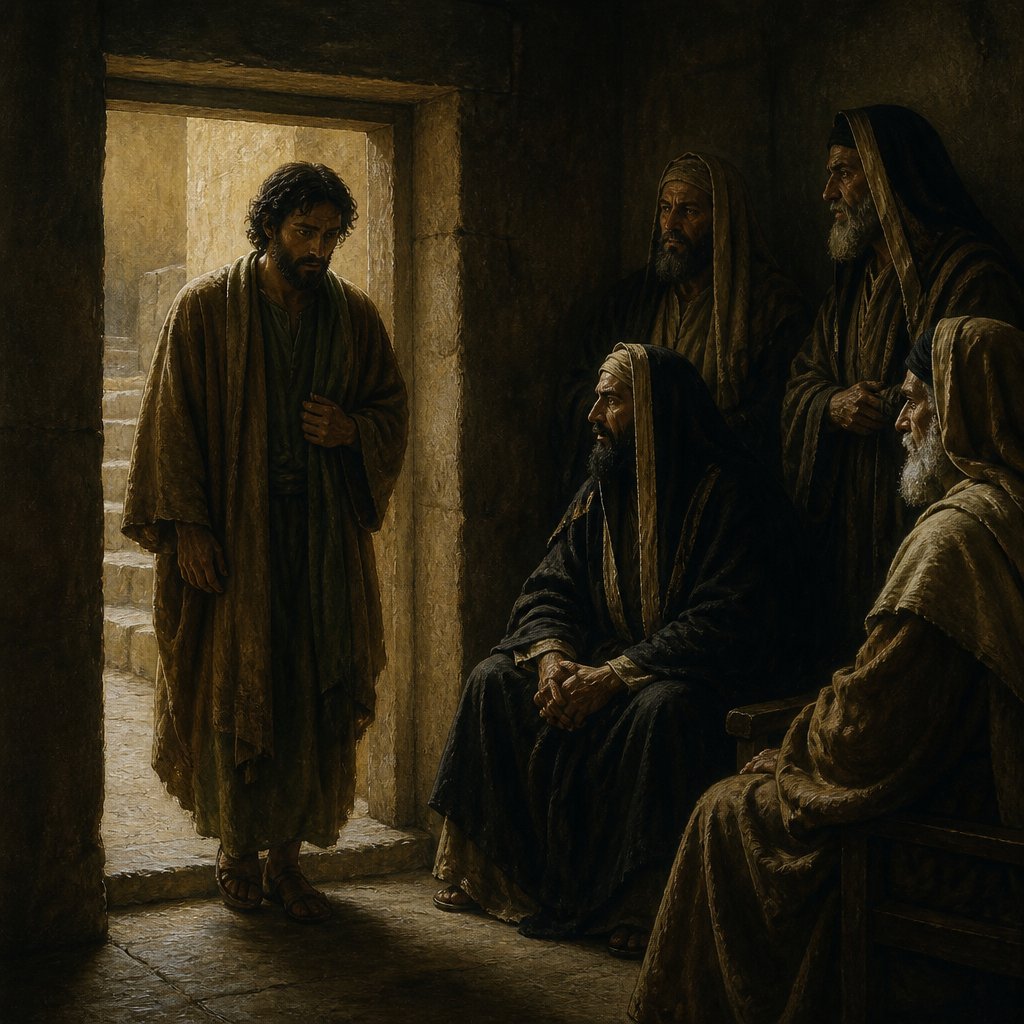
"Then one of the twelve, called Judas Iscariot, went unto the chief priests, and said unto them, What will ye give me, and I will deliver him unto you? And they covenanted with him for thirty pieces of silver." - Matthew 26:14
The verse from the book of Matthew details a pivotal moment in the life of Jesus Christ. Judas Iscariot, one of the twelve disciples, makes a deal with the chief priests to betray Jesus for thirty pieces of silver. This event sets in motion the ultimate betrayal and crucifixion of Jesus, and thus, plays a significant role in Christian theology and understanding of salvation.
The verse has deep thematic significance, particularly focusing on the themes of betrayal, greed, and the fulfillment of prophecy. It provides critical context for the events leading up to the crucifixion, shedding light on the internal and external forces at play in the story of Jesus.
Betrayal is a central theme in this verse, highlighting the moral and ethical struggle of Judas's decision to betray his teacher and friend. The act of betrayal is not only a personal act but also has wider implications for the fate of humanity. Judas's betrayal of Jesus is a representation of the human capacity for greed, deception, and disloyalty. It serves as a cautionary tale and a stark reminder of the consequences of betrayal and the impact it can have on an individual and the community at large.
Greed is another prominent theme in this verse, as Judas is motivated by a desire for material wealth. Despite being a disciple and witnessing the miracles and teachings of Jesus, Judas succumbs to the temptation of financial gain, ultimately placing monetary value over his relationship with the Savior. This serves as a poignant reminder of the corrupting influence of greed and the choices individuals make when faced with moral dilemmas.
Furthermore, the verse also links to the fulfillment of prophecy, with the thirty pieces of silver being a direct reference to the Old Testament prophecy found in the Book of Zechariah. In Zechariah 11:12-13, it is prophesied that the Messiah would be betrayed for thirty pieces of silver, further emphasizing the divine purpose and fulfillment of God's plan through the actions of Judas. This demonstrates the interconnectedness of the Old and New Testament and the continuity of God's plan throughout history.
Symbolism in the verse also plays a crucial role in conveying its meaning. The thirty pieces of silver symbolize the price of betrayal, reinforcing the notion that Judas's actions have monetary consequences. It also serves as a powerful symbol of the value placed on the life and sacrifice of Jesus, as well as the weight of the decision Judas made. In addition, the act of betrayal itself symbolizes the larger human condition, reflecting the fallibility and moral weaknesses inherent in humanity and the struggle between good and evil.
In conclusion, Matthew 26:14 offers a complex and profound commentary on the themes of betrayal, greed, and the fulfillment of prophecy. It provides critical context for understanding the events leading up to the crucifixion of Jesus and underscores the significance of these events in shaping Christian theology and belief. The verse serves as a powerful reminder of the moral and ethical choices individuals make and the enduring impact of these choices on both personal and collective destinies. Ultimately, it serves as a poignant reflection on the complexities of human nature and the redemptive power of faith and sacrifice.
Have questions about Matthew 26:14?
Dive deeper into this scripture with Bible Chat — an AI-powered tool for exploring God's Word through conversation. Ask questions, get context, and grow in your understanding of the Bible.
Get Our Apps


Matthew 26:14 Artwork

Matthew 26:14 - "¶ Then one of the twelve, called Judas Iscariot, went unto the chief priests,"
"¶ Then one of the twelve, called Judas Iscariot, went unto the chief priests," - Matthew 26:14

Matthew 14:26 - "And when the disciples saw him walking on the sea, they were troubled, saying, It is a spirit; and they cried out for fear."
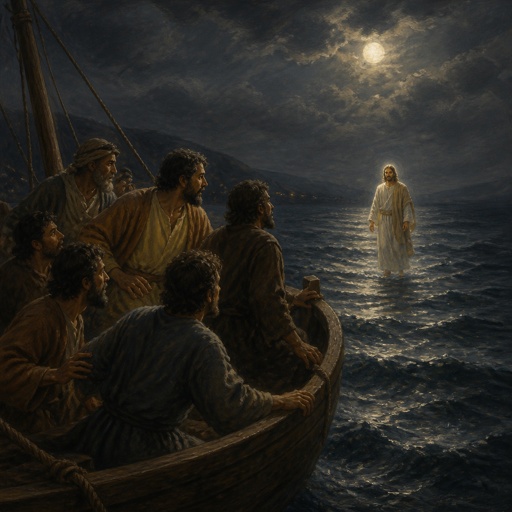
"And when the disciples saw him walking on the sea, they were troubled, saying, It is a spirit; and they cried out for fear." - Matthew 14:26

Matthew 26:25

Matthew 26:15

Matthew 19:26

Matthew 26:15

Matthew 27:26

Matthew 27:26

Matthew 26:53

Matthew 26:41

Matthew 26:65

Matthew 26:53

Matthew 26:26 - "¶ And as they were eating, Jesus took bread, and blessed it, and brake it, and gave it to the disciples, and said, Take, eat; this is my body."

Matthew 22:26 - "Likewise the second also, and the third, unto the seventh."

Matthew 9:26 - "And the fame hereof went abroad into all that land."

Matthew 26:54 - "But how then shall the scriptures be fulfilled, that thus it must be?"

Matthew 7:13-14

Matthew 7:13-14

Matthew 7:13-14

Matthew 7:13-14

Matthew 7:13-14

Matthew 7:13-14

Matthew 7:13-14

Matthew 7:13-14

Matthew 7:13-14

Matthew 7:13-14

Matthew 7:13-14

Matthew 26:6 - "¶ Now when Jesus was in Bethany, in the house of Simon the leper,"