What does Matthew 26:11 mean?
"For ye have the poor always with you; but me ye have not always." - Matthew 26:11
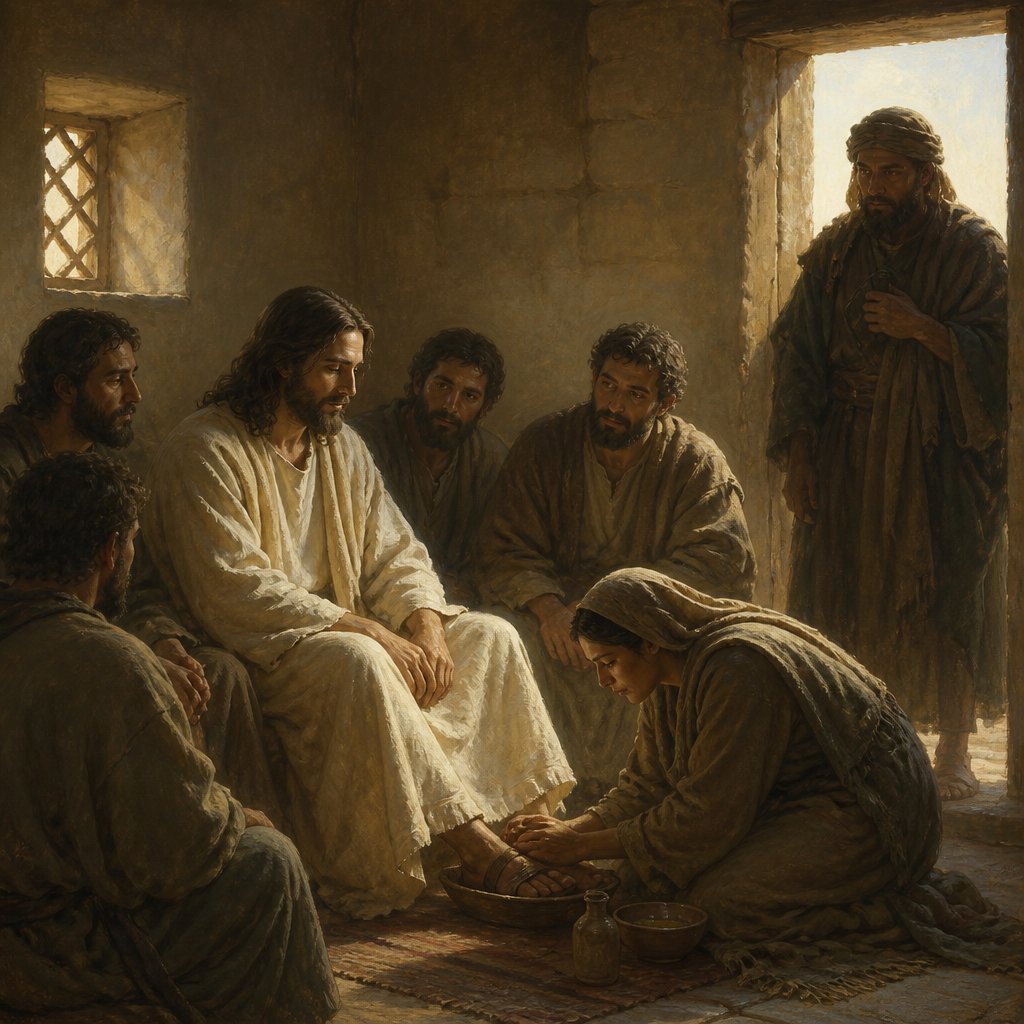
The verse Matthew 26:11 in the King James Version of the Bible reads: "For ye have the poor always with you; but me ye have not always." This verse is part of a larger narrative in the Gospel of Matthew, which tells the story of Jesus' anointing at Bethany.
The context of this verse is important for understanding its meaning. In the preceding verses, a woman comes to Jesus and anoints him with expensive oil. The disciples, particularly Judas Iscariot, express dismay at the wastefulness of this act, arguing that the oil could have been sold and the money given to the poor. Jesus responds by saying that the woman's act is a beautiful gesture of devotion, and that the poor will always be present, but he will not always be with them.
The themes present in this verse include the tension between earthly concerns and spiritual devotion, the value of selfless service to others, and the unique nature of Jesus Christ's presence in the world. By acknowledging the perpetual presence of the poor and the finite nature of his own physical presence, Jesus emphasizes the importance of staying focused on spiritual truths and eternal realities.
One theme that emerges from this verse is the tension between material wealth and spiritual values. The disciples' reaction to the woman's act of anointing Jesus with expensive oil highlights their concern for practical matters, such as helping the poor and being good stewards of resources. However, Jesus redirects their focus towards the spiritual significance of the woman's gesture, emphasizing the importance of devotion and sacrificial love.
This tension between material concerns and spiritual values is a recurring theme in the New Testament. Jesus often challenges his followers to prioritize spiritual truths and eternal realities over fleeting earthly possessions. In this verse, he encourages the disciples to recognize the special significance of the woman's act of devotion, even in the midst of pressing social needs.
Another theme present in this verse is the value of selfless service to others. While Jesus acknowledges the perpetual presence of the poor, he also emphasizes the importance of his disciples' ongoing commitment to serving those in need. By pointing out that "me ye have not always," Jesus reminds his followers of the unique opportunity they have to serve and learn from him while he is physically present.
Through this verse, Jesus encourages his disciples to engage in acts of love and service that reflect his own sacrificial love for humanity. He challenges them to embody his teachings and values in their daily interactions, even in the face of pressing social needs. This verse serves as a reminder that our devotion to Christ is expressed through our selfless service to others, especially to the poor and marginalized.
Finally, this verse emphasizes the unique nature of Jesus Christ's presence in the world. By stating "me ye have not always," Jesus points to the temporary nature of his physical presence on earth. He is reminding his disciples that they have a limited opportunity to learn from and be with him in the flesh.
This theme underscores the significance of Christ's incarnation, ministry, and sacrifice. Jesus' earthly presence represents a unique and irreplaceable opportunity for humanity to experience God's love and redemption firsthand. This verse serves as a poignant reminder of the preciousness of Jesus' presence and the need to cherish and learn from him while he is among us.
Symbolism plays a significant role in this verse. The expensive oil used by the woman to anoint Jesus serves as a symbol of her profound devotion and sacrificial love. By using a costly and valuable substance to honor Jesus, the woman demonstrates her willingness to give of herself and her possessions for the sake of her faith.
In contrast, the perpetual presence of the poor symbolizes the ongoing need for compassion and service in the world. The presence of the poor serves as a reminder of the essential call to care for those who are vulnerable and in need, even as we seek to honor and serve Christ.
In conclusion, the verse Matthew 26:11 in the King James Version of the Bible contains rich and multifaceted themes that remain relevant and thought-provoking for contemporary readers. Through its exploration of the tension between material concerns and spiritual values, the value of selfless service to others, and the unique nature of Jesus Christ's presence in the world, this verse challenges us to consider the nature of our own devotion and service to God. Whether through acts of sacrificial love, compassionate service to the marginalized, or cherishing the presence of Christ in our lives, this verse inspires us to engage meaningfully with our faith and the world around us.
Have questions about Matthew 26:11?
Dive deeper into this scripture with Bible Chat — an AI-powered tool for exploring God's Word through conversation. Ask questions, get context, and grow in your understanding of the Bible.
Get Our Apps


Matthew 26:11 Artwork

Matthew 26:11 - "For ye have the poor always with you; but me ye have not always."
"For ye have the poor always with you; but me ye have not always." - Matthew 26:11

Matthew 11:26 - "Even so, Father: for so it seemed good in thy sight."

"Even so, Father: for so it seemed good in thy sight." - Matthew 11:26

Matthew 26:25

Matthew 26:15

Matthew 19:26

Matthew 26:15

Matthew 27:26

Matthew 27:26

Matthew 26:53

Matthew 26:41

Matthew 26:65

Matthew 26:53

Matthew 26:26 - "¶ And as they were eating, Jesus took bread, and blessed it, and brake it, and gave it to the disciples, and said, Take, eat; this is my body."

Matthew 22:26 - "Likewise the second also, and the third, unto the seventh."

Matthew 9:26 - "And the fame hereof went abroad into all that land."

Matthew 26:54 - "But how then shall the scriptures be fulfilled, that thus it must be?"

Matthew 3:11

Matthew 3:11

Matthew 3:11

Matthew 3:11

Matthew 3:11

Matthew 3:11

Matthew 26:6 - "¶ Now when Jesus was in Bethany, in the house of Simon the leper,"

Matthew 26:4 - "And consulted that they might take Jesus by subtilty, and kill him."

Matthew 26:5 - "But they said, Not on the feast day, lest there be an uproar among the people."

Matthew 26:16 - "And from that time he sought opportunity to betray him."

Matthew 3:11-12

Numbers 11:16-26