What does Matthew 25:35-40 mean?
"For I was an hungred, and ye gave me meat: I was thirsty, and ye gave me drink: I was a stranger, and ye took me in: Naked, and ye clothed me: I was sick, and ye visited me: I was in prison, and ye came unto me. Then shall the righteous answer him, saying, Lord, when saw we thee an hungred, and fed thee? or thirsty, and gave thee drink? When saw we thee a stranger, and took thee in? or naked, and clothed thee? Or when saw we thee sick, or in prison, and came unto thee? And the King shall answer and say unto them, Verily I say unto you, Inasmuch as ye have done it unto one of the least of these my brethren, ye have done it unto me." - Matthew 25:35-40
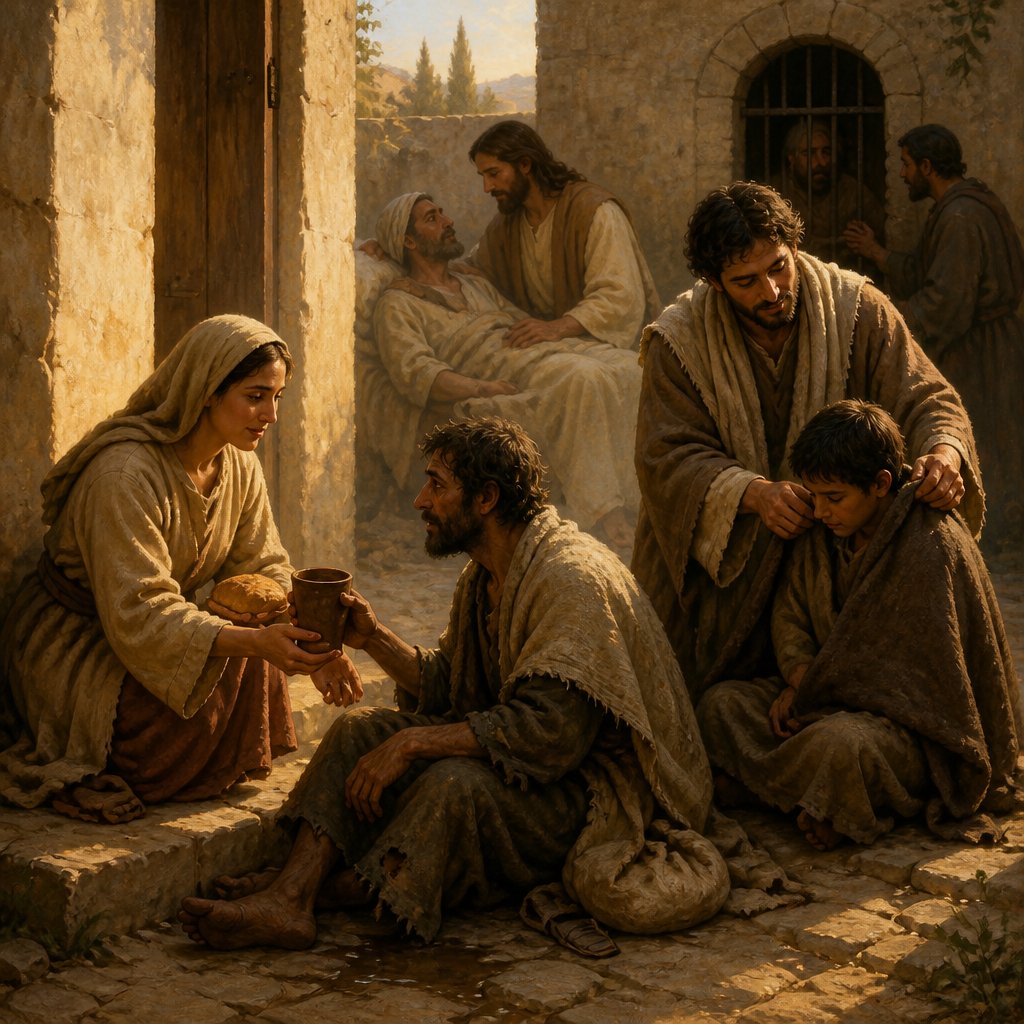
The Bible verse Matthew 25:35-40 from the King James Version reads:
"For I was an hungred, and ye gave me meat: I was thirsty, and ye gave me drink: I was a stranger, and ye took me in: Naked, and ye clothed me: I was sick, and ye visited me: I was in prison, and ye came unto me. Then shall the righteous answer him, saying, Lord, when saw we thee an hungred, and fed thee? or thirsty, and gave thee drink? When saw we thee a stranger, and took thee in? or naked, and clothed thee? Or when saw we thee sick, or in prison, and came unto thee? And the King shall answer and say unto them, Verily I say unto you, Inasmuch as ye have done it unto one of the least of these my brethren, ye have done it unto me."
This passage from the book of Matthew is part of the larger parable of the sheep and the goats, in which Jesus teaches about the final judgment and the criteria by which individuals will be separated into the righteous and the unrighteous. In this specific portion of the parable, Jesus emphasizes the importance of caring for others, particularly those in need, and the direct correlation between the assistance provided to these individuals and service rendered unto Him.
The themes present in this passage are rooted in the concept of mercy, compassion, and love for one's neighbor. Jesus stresses the significance of showing kindness and generosity towards those who are less fortunate and vulnerable. By illustrating scenarios of hunger, thirst, homelessness, lack of clothing, illness, and imprisonment, Jesus highlights the various forms of hardship that people may encounter, and the moral obligation to offer aid and support in such situations.
The context in which this passage is situated is crucial for understanding its deeper meaning. At the heart of this teaching is the message of social responsibility and the ethical imperative to care for others, especially those who are marginalized and overlooked by society. Jesus emphasizes the need for empathy and tangible assistance, rather than mere words or empty gestures of goodwill. This underscores the Christian principle of actively engaging in acts of charity and humanitarian aid as a fundamental expression of faith.
The symbolism in this passage is profound, as it represents the transformative power of selfless service and the notion of Christ's presence in the midst of human suffering. When Jesus speaks of identifying Himself with those who are in need, He illuminates the spiritual interconnectedness between individuals and the sacred duty to uphold the dignity and worth of every person, regardless of their circumstances. The imagery of feeding the hungry, giving drink to the thirsty, welcoming the stranger, clothing the naked, visiting the sick, and ministering to those in prison symbolizes the embodiment of genuine Christian love and the manifestation of God's grace in the world.
Furthermore, the verse brings to light the idea of recognizing the divine potential in every individual, and the imperative to extend compassion and solidarity towards those who are often devalued and disenfranchised. By affirming that acts of kindness and benevolence towards others are inherently connected to honoring and serving Christ Himself, Jesus instills a profound sense of accountability and accountability in His followers.
In conclusion, the Bible verse Matthew 25:35-40 holds immense significance as a moral imperative and a call to action for believers to actively engage in alleviating the suffering of those in need. Through its themes of mercy, compassion, and social justice, this passage resonates as a timeless reminder of the intrinsic value of serving others and the transformative impact of demonstrating Christ-like love in the world. It stands as a foundational tenet of Christian ethics and encapsulates the essence of living out one's faith through practical acts of kindness and solidarity with the vulnerable and marginalized.
Have questions about Matthew 25:35-40?
Dive deeper into this scripture with Bible Chat — an AI-powered tool for exploring God's Word through conversation. Ask questions, get context, and grow in your understanding of the Bible.
Get Our Apps


Matthew 25:35-40 Artwork

Matthew 25:35-40 - "For I was hungry and you gave me something to eat, I was thirsty and you gave me something to drink, I was a stranger and you invited me in, I needed clothes and you clothed me, I was sick and you looked after me, I was in prison and you came to visit me. Then the righteous will answer him, 'Lord, when did we see you hungry and feed you, or thirsty and give you something to drink? When did we see you a stranger and invite you in, or needing clothes and clothe you? When did we see you sick or in prison and go to visit you?' The King will reply, 'Truly I tell you, whatever you did for one of the least of these brothers and sisters of mine, you did for me.'"
"For I was hungry and you gave me something to eat, I was thirsty and you gave me something to drink, I was a stranger and you invited me in, I needed clothes and you clothed me, I was sick and you looked after me, I was in prison and you came to visit me. Then the righteous will answer him, 'Lord, when did we see you hungry and feed you, or thirsty and give you something to drink? When did we see you a stranger and invite you in, or needing clothes and clothe you? When did we see you sick or in prison and go to visit you?' The King will reply, 'Truly I tell you, whatever you did for one of the least of these brothers and sisters of mine, you did for me.'" - Matthew 25:35-40

Matthew 25:35 - "For I was an hungred, and ye gave me meat: I was thirsty, and ye gave me drink: I was a stranger, and ye took me in:"

Matthew 25:40 - "And the King shall answer and say unto them, Verily I say unto you, Inasmuch as ye have done it unto one of the least of these my brethren, ye have done it unto me."

Ezekiel 40:35 - "¶ And he brought me to the north gate, and measured it according to these measures;"

Matthew 24:35

Matthew 24:35

Matthew 24:35

Matthew 24:35

Matthew 24:35

Matthew 24:35

Matthew 24:35

Matthew 24:35

Matthew 24:35

Matthew 24:35

Matthew 27:35

Exodus 40:35 - "And Moses was not able to enter into the tent of the congregation, because the cloud abode thereon, and the glory of the LORD filled the tabernacle."

Matthew 25:25

Exodus 25:31-40 This is an oil lampstand.

Matthew 22:40 - "On these two commandments hang all the law and the prophets."

Genesis 35:25 - "And the sons of Bilhah, Rachel's handmaid; Dan, and Naphtali:"

Exodus 40:25 - "And he lighted the lamps before the LORD; as the LORD commanded Moses."
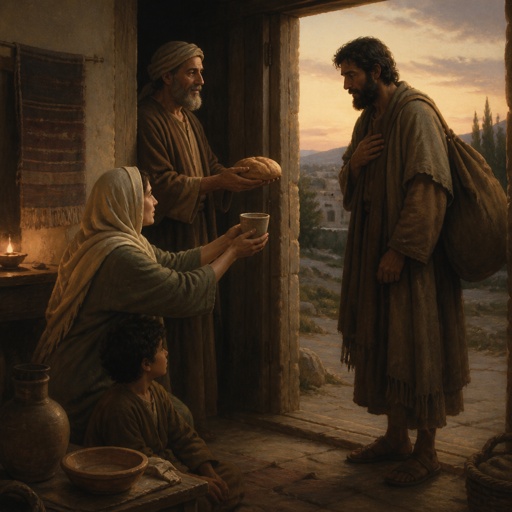
"For I was an hungred, and ye gave me meat: I was thirsty, and ye gave me drink: I was a stranger, and ye took me in:" - Matthew 25:35

Matthew 25: 14-25

"¶ And he brought me to the north gate, and measured it according to these measures;" - Ezekiel 40:35

Exodus 25:40 - "And look that thou make them after their pattern, which was shewed thee in the mount."

Isaiah 40:25 - "To whom then will ye liken me, or shall I be equal? saith the Holy One."

Matthew 13:40 - "As therefore the tares are gathered and burned in the fire; so shall it be in the end of this world."

Matthew 24:40 - "Then shall two be in the field; the one shall be taken, and the other left."

Matthew 15:35 - "And he commanded the multitude to sit down on the ground."